

Last Updated: November 18, 2026
Quick Summary
Choose post-surgery loungewear that opens fully at the front with buttons, snaps, or a zipper, plus a soft, wide waistband that sits clear of your incision. Pick breathable cotton, modal, or rib-knit fabrics with flat seams, and buy one size up to allow for swelling.
- Snap closures are the easiest front-opening option to manage one-handed when an arm is sore.
- The best pajamas after abdominal surgery are two-piece sets with wide-leg bottoms you can pull on seated.
- Sit for every layer until you can stand and dress without holding onto anything.
- Route drain tubing through a gap between buttons so it curves gently instead of pulling.
- Practice the dressing sequence two or three times before surgery while you still have full mobility.
Table of Contents
- Why Post-Surgery Loungewear Decides How Your First Weeks Feel
- Key Features to Look for in Recovery Wear
- Best Pajamas After Abdominal Surgery: What Actually Works
- Fabric Choices: Breathable, Skin-Friendly, and Kind to Sutures
- Adaptive Clothing for Surgery Recovery: Dressing With Limited Mobility
- Managing Surgical Drains and Incision Sites at Home
- Post-Op Recovery Essentials Beyond the Closet
- Sizing, Swelling, and Seasonal Comfort
- Budget-Friendly Adjustments and DIY Fixes
- Build Your Recovery Wardrobe With The Zipper
- Frequently Asked Questions
Why Post-Surgery Loungewear Decides How Your First Weeks Feel
The clothes you wear home from the hospital matter more than most people expect. When you are choosing comfortable post-surgery loungewear for home, you are really choosing how much friction your first weeks will contain.
A post-surgery loungewear wardrobe is a small set of soft, loose, front-opening garments selected to protect incisions, accommodate swelling, and let you dress without help. The right pieces reduce strain on your chest and abdomen during the dozens of small movements you make every day.
Comfort is not the whole goal. Every garment either helps you move safely or works against your healing. Below, we break down what to look for, what to skip, and how to build a small rotation that carries you through recovery.
Key Features to Look for in Recovery Wear
Start with three non-negotiables: front-opening closures, a waistband that sits away from your incision, and fabric that breathes against healing skin. Everything else is preference.
Front-opening closures mean buttons, snaps, or a full zipper down the front. You should never have to raise both arms overhead or twist your torso to get dressed. A common mistake is buying a soft pullover because it feels nice in the store, then discovering on day two that lifting it over your head pulls at your chest.
Waistbands should be soft, wide, and non-binding. Drawstrings and elastic that digs in are out. Look for a waistband that rests above or well below your incision, never directly on it.
Fabric should be breathable and soft-touch. Cotton, modal, and rib-knit blends move with you instead of catching on sutures or dressings.
Use this checklist before you buy anything:
- Opens fully at the front with buttons, snaps, or a zipper
- Waistband is soft, wide, and sits clear of the incision
- Fabric is breathable and smooth against skin
- Sleeves and armholes are roomy enough to slide on one arm at a time
- Seams are flat or placed away from drain sites
- You can put it on while seated
Front-Opening Closures: Buttons, Snaps, and Zippers
Snap closures are the easiest to manage one-handed, which matters when one arm is sore or restricted. Buttons take more fine-motor effort but stay closed reliably. Zippers work well on robes and jackets, though a zipper near a chest incision can feel cold and stiff at first.
Waistbands That Stay Off Your Incision
The waistband question depends on where your incision sits. For a chest incision, almost any soft waistband works. For an abdominal incision, you want a wide-leg or relaxed fit with a waistband that rides high or low, never across the middle.
Best Pajamas After Abdominal Surgery: What Actually Works
The best pajamas after abdominal surgery are two-piece sets with a front-closing top and a loose, wide-leg bottom that you can pull on while seated. One-piece gowns and fitted waistbands create exactly the problems you are trying to avoid.
A two-piece set wins for a simple reason: you can change just the top or just the bottom. If a dressing leaks or a drain site needs attention, you are not stripping down completely. Wide-leg bottoms slide over swelling and bandages without a fight.
| Feature | Works Well | Avoid |
|---|---|---|
| Top closure | Snaps or full button-front | Pullover styles |
| Bottom fit | Wide-leg, relaxed | Fitted or tapered |
| Waistband | Soft, wide, non-binding | Elastic that digs in |
| Fabric | Cotton, modal, rib-knit | Stiff or scratchy blends |
| Seams | Flat, away from incision | Thick seams at drain sites |
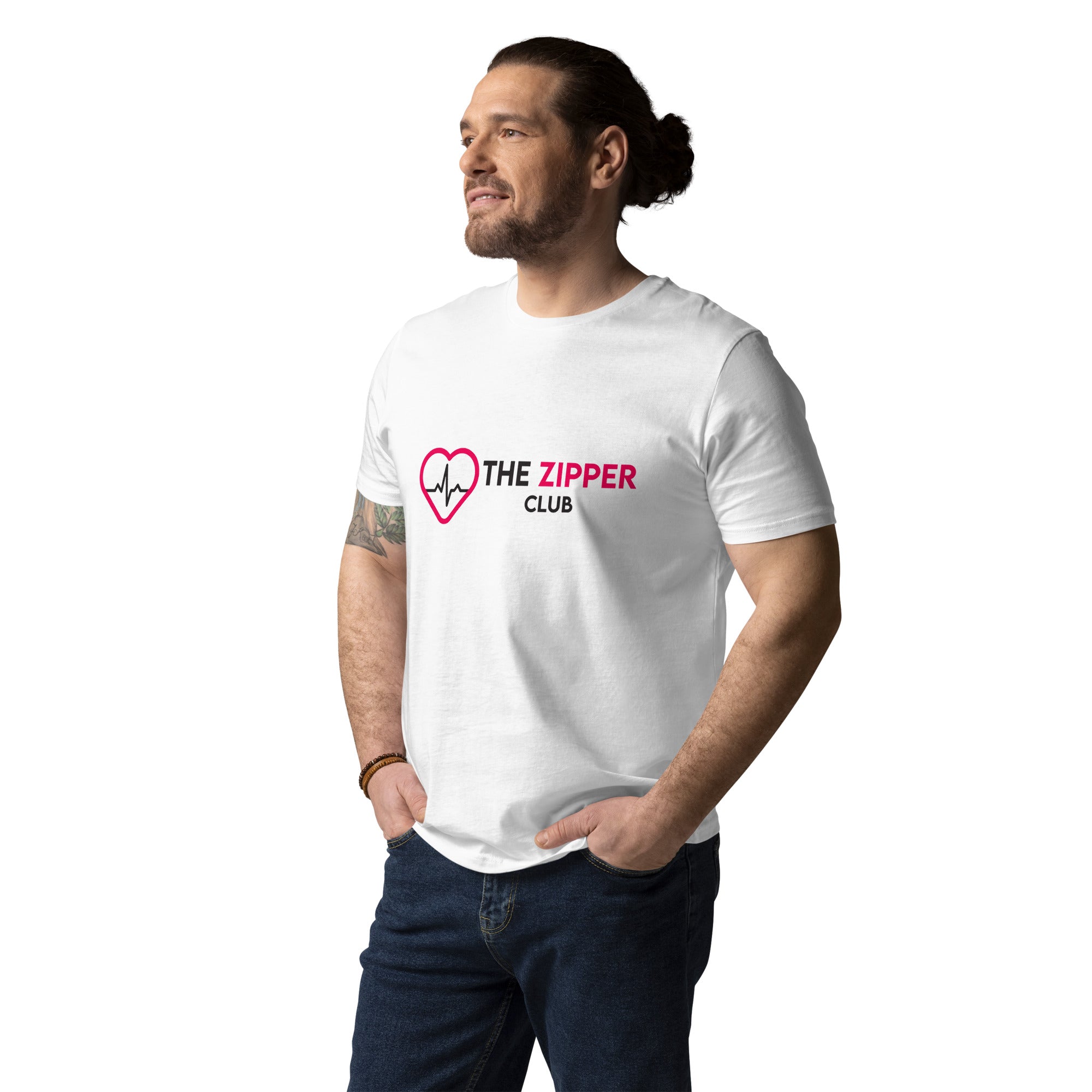
For a soft, breathable option that suits healing skin, our unisex organic cotton t-shirt is a practical base layer you can size up for extra room.
Fabric Choices: Breathable, Skin-Friendly, and Kind to Sutures
Cotton and modal lead the list. Both are soft-touch, breathable, and gentle against sutures and dressing tape. Rib-knit fabrics stretch in every direction, which makes them easier to pull on without tugging at an incision.
One insider observation: the softest fabric in the world is useless if the seams are thick. Run your hand along the inside of a garment before you commit to it.
Adaptive Clothing for Surgery Recovery: Dressing With Limited Mobility
Adaptive clothing for surgery recovery is designed so you can dress while seated, using one arm at a time, without twisting or reaching overhead. The goal is independence in the smallest possible movements. Most guides stop there and never explain the physical mechanics, which is exactly where patients get stuck on day two.
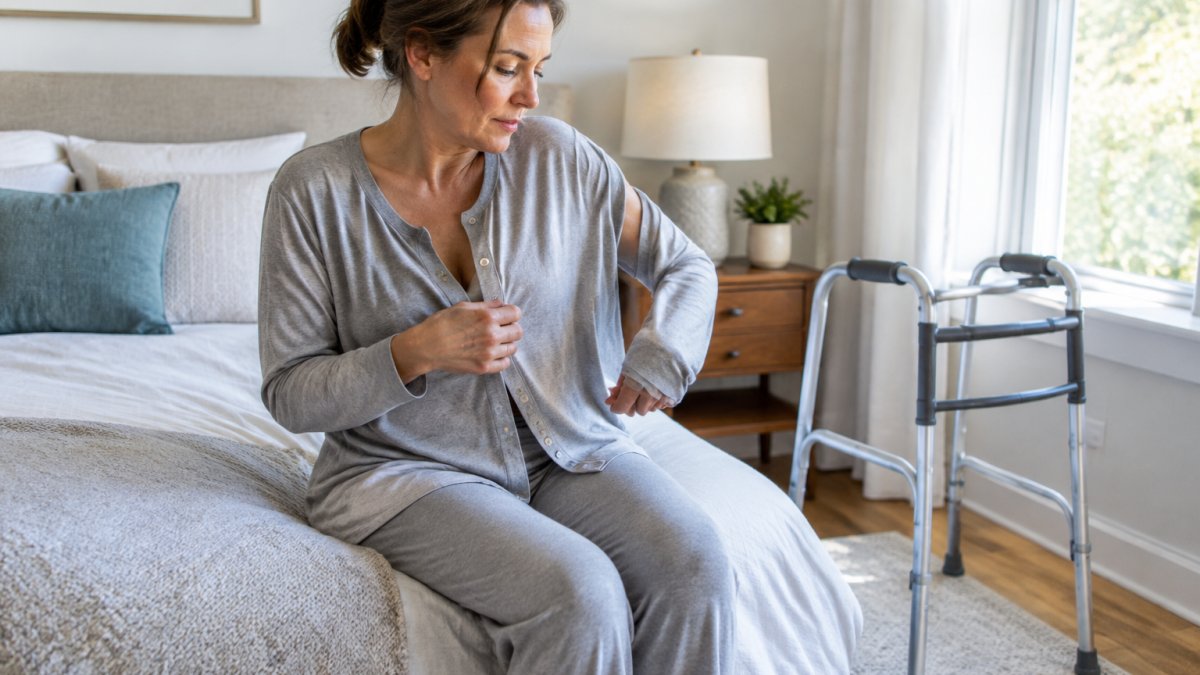
The core problem is that after chest or abdominal surgery, your sternum or core muscles cannot tolerate pulling, twisting, or bearing weight through the arms. A pullover top forces you to raise both arms overhead and pull down, a motion that loads the chest wall and can cause micro-tearing at the incision. A front-opening garment lets you dress with your elbows close to your body and your shoulders below shoulder height, which keeps strain off the surgical site.
Here is how we would approach dressing on a low-mobility day:
- Lay the garment open on the bed before you sit down. Sit on the edge of the bed with your feet flat and your back supported.
- Slide your weaker arm in first, then the stronger arm. Keep your elbow bent and close to your ribs rather than reaching out.
- Bring the fabric across your body rather than reaching behind you. Lean forward slightly from the hips, not the waist, to let gravity help the fabric fall into place.
- Fasten from the bottom up so the top edge stays aligned. Snaps at the bottom are easiest to reach; work upward as your range of motion allows.
A common pattern is that patients try to dress standing up because that is what they did before surgery. Standing requires balance and core engagement, and it is the most common cause of a near-fall in the first two weeks at home. Sit for every layer until you can stand and dress without holding onto anything.
Watch out: reaching behind your back to pull a waistband up is the single most common way patients strain an abdominal incision. Step into pants while seated, then lean back and lift your hips slightly rather than twisting.
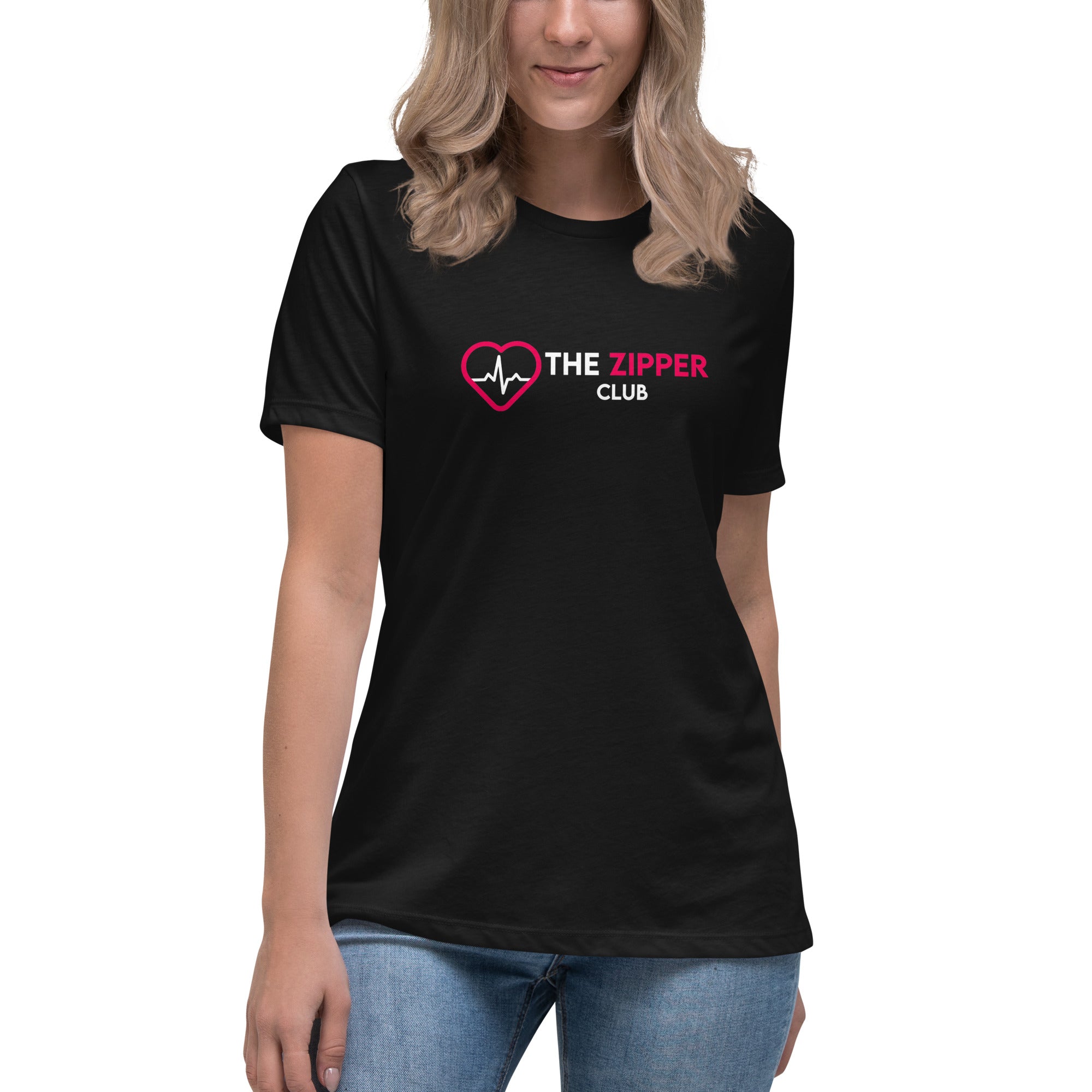
A relaxed, easy-on tee is a concrete example of low-effort dressing. Our women's relaxed t-shirt has a relaxed fit and pre-shrunk cotton that slides on without a struggle.
Practice before surgery. Lay out your recovery clothes and run through the dressing sequence two or three times while you still have full mobility. The muscle memory helps on the days when you are sore, medicated, and tired. If you live alone, set up a dressing station, a chair, a mirror, and your clothes laid open, so you never have to improvise while off-balance.
Managing Surgical Drains and Incision Sites at Home
Loose clothing with roomy pockets or a soft pouch gives the drain a place to rest without pulling. But the clothing is only half the job, the other half is understanding what the drain is doing and how to keep the incision clean while you dress and undress.
A surgical drain is a soft tube that carries excess fluid away from the surgical site into a collection bulb. The tube exits through a small separate opening in the skin, and that exit site is a fresh wound that can be pulled, infected, or accidentally dislodged. The bulb is lightweight but it hangs, and gravity is the enemy: every time the bulb swings or catches on a waistband, it tugs at the exit site. That is why drain management is a clothing problem as much as a medical one.
Practical moves that help:
- Route tubing through a gap between buttons rather than over a waistband. The tube should have a gentle curve, never a sharp bend or a straight pull.
- Keep the drain bulb supported in a pocket or soft pouch so gravity does not tug the site. A cloth pouch pinned inside a roomy pocket works; a fanny pack worn at the waist works for lower drains.
- Choose tops with extra length so the drain sits inside the garment, not against your leg. A tunic-length button-front shirt keeps the bulb from catching on furniture or bedding.
- Check the incision site each time you change clothes. Look for redness spreading beyond the wound edges, warmth, swelling, or fluid that smells foul, and report those to your surgical team rather than waiting for your follow-up visit.
Watch out: tight waistbands and heavy blankets are the two most common causes of accidental drain pulls at home. A waistband that crosses the drain exit site will rub it raw within hours; a blanket that catches the tubing will yank it when you shift in bed. Loop the tubing loosely and tape it to your clothing with medical tape so a tug pulls on the tape, not the skin.
For more on handling daily tasks without straining, see our guide to managing daily tasks after open heart surgery.
Post-Op Recovery Essentials Beyond the Closet
Clothing is one piece of a larger setup. The rest of your recovery space should reduce the number of times you have to get up, reach, or bend.
Sleep comfort deserves its own plan. Many survivors find that sleeping propped up eases chest pressure in the early weeks. Our article on how to sleep comfortably after open heart surgery covers positioning in detail.
For the broader home setup, our guide on how to prepare your home for heart surgery recovery walks through room-by-room adjustments.
Sizing, Swelling, and Seasonal Comfort
Buy one size up from your normal fit. Swelling after surgery is common, and a garment that fits on day one may not fit on day four. Loose-fitting silhouettes give you room to swell and then settle back down.
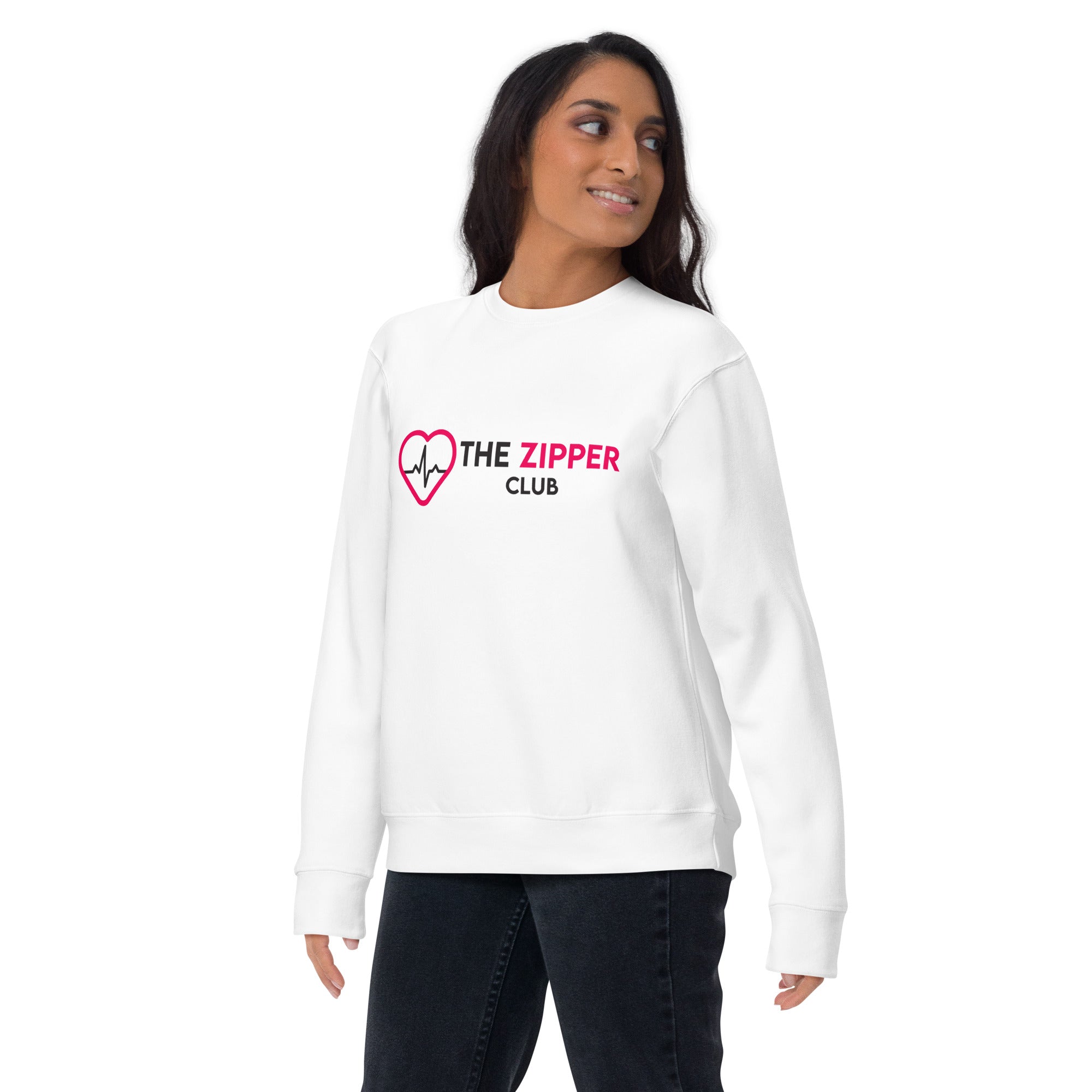
Seasonal recovery adds a layer. In warmer months, a single breathable cotton layer beats a heavy set. In colder months, layer a soft sweatshirt over a button-front top so you can shed a layer without undressing. Our Unisex Premium Sweatshirt has a ribbed crew neck and soft fleece inside.
| Season | Layer Strategy | Fabric Priority |
|---|---|---|
| Warm | Single breathable layer | Cotton, modal |
| Cool | Button-front base plus sweatshirt | Cotton blend |
| Cold | Base, mid layer, robe | Rib-knit, fleece |
Budget-Friendly Adjustments and DIY Fixes
You do not need a specialty wardrobe. A few low-cost changes turn everyday clothes into recovery wear.
- Cut the elastic in an old pair of pajama pants and replace it with a soft drawstring tied loosely
- Wear a button-front shirt backward if the front closure is easier to reach that way
- Add snap tape to an existing top to convert a pullover into a front-opening garment
- Use a soft cloth pouch pinned inside a pocket to hold a drain bulb
- Size up at a thrift store rather than buying new
A common mistake is spending heavily on a single "recovery set" before you know what your body tolerates. Start with two or three pieces and add as you learn what works.
Build Your Recovery Wardrobe With The Zipper
Recovery asks a lot of you, and getting dressed should not be one of the hard parts. The right post-surgery loungewear removes daily friction so your energy goes toward healing instead of wrestling with a waistband.
The Zipper is a community and resource hub founded by heart surgery survivor Steve Rucinski. The Zipper offers a compassionate network of peers, evidence-based information, and practical tools like its recovery nutrition tracker. You can lean on the community for the emotional side and use the tools for the physical side, without navigating it alone.
Start with a small rotation: one front-opening top, one wide-leg bottom, one soft layer. Add pieces as you learn what your body prefers.
Get started with The Zipper and rebuild strength of body and soul alongside people who understand the road you are on.
The first weeks after surgery are hard enough without fighting your own clothes. The Zipper offers a peer community, trusted recovery information, and a nutrition tracker that make the daily work of healing feel less lonely and less overwhelming. Get started with The Zipper and take the next step of recovery with people who have been there.
Frequently Asked Questions
What is the best loungewear to wear after surgery?
Look for loose, front-opening pieces in breathable fabrics like cotton or modal. Button-front tops and wide-leg or relaxed pants let you dress without raising your arms or bending at the waist. A soft, non-binding stretchy waistband that sits above or below the incision site protects sutures and reduces rubbing. Keep a few sets on rotation so you always have something clean and comfortable within reach during home recovery.
Should I size up when buying post-surgery loungewear?
Yes, sizing up is usually the safer choice. Post-operative swelling can last for weeks, and a looser fit keeps fabric off the incision site while making dressing easier. Choose pieces with adjustable waists or drawstrings so you can tighten them as swelling goes down. If you are between sizes, take the larger one; a relaxed silhouette is more comfortable than a snug fit during the first month of recovery.
How should I choose loungewear that accommodates surgical drains?
Look for tops and pants with interior pockets or roomy side pockets where drain bulbs can rest without pulling on tubing.
Are there specific fabrics recommended for post-surgery comfort?
Breathable, skin-friendly fabrics make the biggest difference. Wash new pieces before wearing them to soften the fabric and remove any manufacturing residue.


