

Table of Contents
- What Rebuilding Strength After Open Heart Surgery Really Looks Like
- The Recovery Timeline After Open-Heart Surgery: Week by Week
- Cardiac Rehabilitation After Open-Heart Surgery: Why It Matters
- Sternal Precautions After Open-Heart Surgery: Protecting Your Chest
- Exercises After Open-Heart Surgery: A Safe Progression
- Building Stamina and Muscular Strength Over Weeks to Months
- Managing Post-Surgical Fatigue and Pacing Your Energy
-
How to Adapt Activity to Your Surgery Type and Baseline Fitness
- Start With Three Questions for Your Care Team
- Bypass Surgery: The Typical Recovery Profile
- Valve Surgery: Watch the Rhythm and the Blood Pressure
- Combined and Complex Surgery: Slow the Whole Curve
- Minimally Invasive Surgery: Ask Specifically
- Baseline Fitness: The Other Half of the Equation
- A Simple Decision Framework
- Stop Signs: When to Call Your Care Team
- Nutrition, Sleep, and the Non-Exercise Side of Rebuilding Strength
- Managing Fear, Low Mood, and Motivation During Recovery
- Measuring Progress and Setting Realistic Goals
- Where Peer Support Fits in Rebuilding Strength
- Conclusion: Rebuilding Strength Takes Weeks to Months, Not Days
- Frequently Asked Questions
Last Updated: October 18, 2026
What Rebuilding Strength After Open Heart Surgery Really Looks Like
Rebuilding strength after open heart surgery is a gradual, staged process of restoring physical capacity and confidence through supervised movement, pacing, and consistent daily activity over weeks to months.
Here's the part most recovery pamphlets skip: the weakness you feel is not a sign you're failing. Surgery is a controlled trauma.
Below, we'll show you exactly how to progress from hallway walking to structured exercise, how to protect your chest incision, and how to tell the difference between normal post-surgical fatigue and a warning sign.
Why Your Body Feels Weaker Than You Expected
Three things converge after cardiac surgery. First, surgical trauma triggers a systemic inflammatory response that drains energy for weeks. Second, hospital bed rest deconditions muscles quickly, especially in older adults.
Add the emotional weight, fear of damaging the repair, disrupted sleep, and a sternum that hurts when you cough, and the fatigue makes sense.
The Recovery Timeline After Open-Heart Surgery: Week by Week
The recovery timeline after open-heart surgery runs roughly six to twelve weeks for initial healing, with meaningful strength gains continuing for three to six months and beyond. Most people leave the hospital within about a week, spend the next several weeks protecting the sternum, and begin structured training once their care team clears them.
Here is the summary most guides bury at the bottom:
Phase |
Timeframe |
Main Goal |
Typical Activity |
|---|---|---|---|
Hospital and discharge |
Days 1-7 |
Stabilize and mobilize |
Supervised hallway walking, breathing exercises |
Early home recovery |
Weeks 1-2 |
Protect the incision |
Short walks, rest, light daily tasks |
Base building |
Weeks 3-6 |
Restore daily function |
Longer walks, gentle range of motion |
Transition to training |
Weeks 7-12 |
Build capacity |
Cardiac rehab, light resistance, aerobic work |
Long-term rebuilding |
3-6+ months |
Sustain and progress |
Structured exercise program, strength training |
Weeks 1-2: Hospital Discharge and the First Days Home
The first two weeks home are about protection and gentle movement, not fitness. Walk short distances several times a day, use your incentive spirometer if given one, and take your medications on schedule.
A common mistake is doing too much on a good day. If you feel strong on Tuesday and haul laundry upstairs, Wednesday will be rough. Keep activity boring and consistent.
Weeks 3-6: Building a Base Without Overdoing It
Walking distance should increase gradually. Many recovery teams suggest adding a few minutes per walk rather than pushing pace. Light household tasks return. Range-of-motion work for shoulders and arms helps, since guarding the chest stiffens the upper body.
This is also when frustration peaks. You feel better but are still restricted, and the temptation to test your limits is real. Don't. Sternal healing is still underway.
Weeks 7-12 and Beyond: From Healing to Training
Once cleared, usually around six to eight weeks, you can begin supervised or structured exercise. This is where rebuilding strength after open heart surgery shifts from survival mode to actual training: progressive aerobic work, light resistance, and a plan you can measure. Improvement from here is steady but not linear. Expect good weeks and flat weeks.
Cardiac Rehabilitation After Open-Heart Surgery: Why It Matters
Cardiac rehabilitation after open-heart surgery is a supervised program of exercise, education, and counseling designed to restore function and reduce future complications. It is one of the most underused resources in recovery: many eligible patients never enroll, often because they are never referred or assume it is only for severe cases.
What Happens in a Cardiac Rehab Program
Most programs combine monitored exercise sessions with nutrition counseling, medication review, and emotional support. You typically wear a heart monitor during sessions, and staff adjust intensity based on your blood pressure, heart rhythm, and symptoms.
Ask your surgeon or cardiologist for a referral before you leave the hospital. The American Heart Association's cardiac rehab resources explain what programs involve and how to advocate for a referral.
When You Cannot Get to a Program
Distance, cost, transportation, and scheduling stop many people from attending. Home-based rehab, guided by your care team with remote check-ins, is a legitimate alternative. Ask whether your hospital offers a home program or telehealth supervision. If not, ask your cardiologist to outline a safe home plan in writing, including target heart rate ranges and when to stop.
Sternal Precautions After Open-Heart Surgery: Protecting Your Chest
Sternal precautions after open-heart surgery are movement rules that protect the healing breastbone, typically for six to eight weeks. They exist because your sternum is held together with wires while bone heals, and force through the arms can stress that repair.
The standard precautions:
- Do not lift more than a light weight, commonly around 5 to 10 pounds, as directed by your surgeon
- Do not push or pull with your arms, such as opening heavy doors or dragging furniture
- Do not reach behind your back or raise both arms overhead forcefully
Your surgical team's instructions override anything generic you read, including this article. Follow their version.
Exercises After Open-Heart Surgery: A Safe Progression
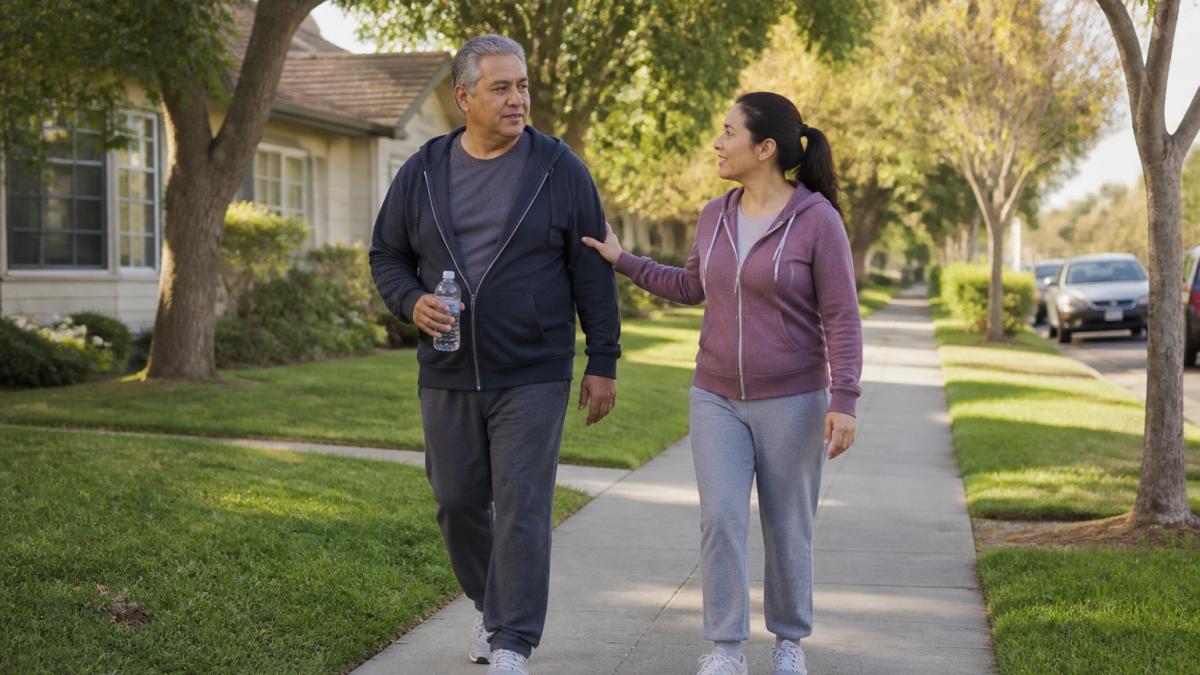
Exercises after open-heart surgery progress in a clear order: walking first, then range of motion, then light resistance, then structured aerobic and strength training once cleared. Skipping steps is how people get hurt.
The Four-Stage Progression at a Glance
Stage |
When |
What You Do |
How to Progress |
|---|---|---|---|
1. Walk and breathe |
Hospital through week 2 |
Short, frequent walks; incentive spirometer; ankle pumps |
Add 1-2 minutes per walk every few days if symptoms stay quiet |
2. Restore motion |
Weeks 2-6 |
Shoulder and arm range of motion; longer walks |
Add range-of-motion reps before adding walk duration |
3. Reintroduce load |
Weeks 6-12, once cleared |
Light bands, light weights, stationary bike |
Add one repetition or one band level per week, not per session |
4. Train |
3-6+ months |
Structured aerobic and resistance program |
Progress one variable at a time; deload after a flat or rough week |
Walking: Your First and Best Exercise
Walking is the foundation. It is low impact, easy to dose, and requires no equipment.
Increase duration before you increase speed. A workable rule: when a walk feels easy two days in a row, add one to two minutes to that walk the next day.
Use the talk test as a simple intensity gauge: you should be able to speak in full sentences while walking.
Range of Motion: Undoing the Guarding Stiffness
Weeks of holding your arms close to protect the incision stiffen the shoulders and upper back. Gentle range-of-motion work prevents that stiffness from becoming a long-term limitation. Do it daily, twice if comfortable, and keep every movement below the point of pulling on the incision.
A simple starting set, done seated:
- Shoulder shrugs: 10 slow reps
- Shoulder circles: 5 in each direction, small at first
- Elbow flexion and extension: 10 reps
Stop any movement that pulls, burns, or clicks at the breastbone. Range of motion should feel like gentle use, not a stretch.
Light Resistance: Rebuilding Muscle Without Stressing the Sternum
Once your care team clears you, usually around six to eight weeks, light resistance work rebuilds strength in the arms, shoulders, and legs.
A conservative starting point many practitioners use:
- Band rows, seated: 1-2 sets of 8-10 reps
- Band biceps curls, seated: 1-2 sets of 8-10 reps
- Sit-to-stand from a firm chair: 1-2 sets of 5-8 reps
Progress by adding one repetition per set per week before adding resistance.
A stationary bike is a common first piece of aerobic equipment because it is stable, easy to monitor, and lets you hold a conversation while you pedal.
Balance Work: The Overlooked Strength Skill
Balance work matters, especially if you are older or spent time in bed. Standing on one foot near a counter, done safely, rebuilds the stability that prevents falls. Start with 10 seconds per side holding the counter, build to 30 seconds, then try briefly letting go with one hand. Do this daily.
What Progress Should Feel Like
Expect stage 1 and 2 to feel boring. That is the point. The measurable changes come in stage 3 and 4, when the same walk takes less effort, the same band feels lighter, and stairs stop requiring a pause. If a week feels flat, hold your current dose rather than pushing through. Flat weeks are part of the curve, not a sign of failure.
Building Stamina and Muscular Strength Over Weeks to Months
Stamina and muscular strength rebuild on different clocks.
The practical implication: don't judge your progress by how much you can lift. Judge it by what you can do repeatedly.
Progressive overload still applies, just gently. Add a few minutes to walks, add one repetition, add a slightly heavier band. Small increases, spaced out, compound.
Managing Post-Surgical Fatigue and Pacing Your Energy
Post-surgical fatigue is not laziness and it is not something to push through. It is a physiological signal that your body is spending resources on healing.
A simple approach is to plan your day in blocks: one activity, one rest, repeat. Schedule demanding tasks for when your energy is highest, usually morning. Protect sleep aggressively.
How to Adapt Activity to Your Surgery Type and Baseline Fitness
Not all cardiac surgery is the same, and your starting point matters. Most recovery guides hand you one timeline and hope it fits. It usually does not. This section gives you a framework for adjusting the plan to your surgery type, your complications, and your fitness before surgery, so you can stop comparing yourself to a generic schedule and start comparing yourself to last week.
Start With Three Questions for Your Care Team
Before you adjust anything, get clear answers to these:
- What exactly was done, and were there any complications I should factor in?
- Are my sternal precautions standard, modified, or different because of my procedure?
- What heart rate, blood pressure, and symptom limits should I stay under during activity?
Write the answers down. Generic advice cannot substitute for your surgical team's specific instructions, and the framework below is only useful once you know your own starting conditions.
Bypass Surgery: The Typical Recovery Profile
Coronary artery bypass grafting, often called CABG, is the most common open-heart procedure. Recovery generally follows the standard sternal precaution timeline, and many patients are cleared for structured exercise around six to eight weeks.
A practical adjustment: if you had a longer hospital stay or a complication, add one to two weeks to each stage of the progression rather than trying to catch up.
Valve Surgery: Watch the Rhythm and the Blood Pressure
Heart valve surgery, whether repair or replacement, often follows a similar sternal healing timeline, but two factors commonly change the exercise plan.
The practical adjustment: lean more heavily on the talk test and symptom monitoring, and ask whether your care team wants you in supervised cardiac rehab before home training. If you are on blood thinners, also ask about bleeding precautions and which activities to avoid.
Combined and Complex Surgery: Slow the Whole Curve
Combined procedures, such as bypass plus valve work, or surgery complicated by infection, prolonged ventilation, or a stay in intensive care, usually mean a slower start across every stage. The temptation is to push to get back on the standard timeline.
A practical adjustment: extend each stage by roughly 50 percent and judge progress by function, not by the calendar.
Minimally Invasive Surgery: Ask Specifically
If you had minimally invasive surgery, your sternal precautions may differ, and in some cases the breastbone was not divided at all. Do not assume. Ask your surgeon directly what precautions apply, how long they last, and whether your exercise progression can move faster. Assumptions here are risky in both directions: some people over-restrict themselves, and some push too hard because they assume a smaller incision means a smaller recovery.
Baseline Fitness: The Other Half of the Equation
Your fitness before surgery is the variable most guides ignore. Someone who walked daily for years will typically return to activity faster than someone who was sedentary, and neither person should compare themselves to a generic timeline.
A useful way to set your starting dose:
- If you were active before surgery, start stage 1 at the upper end of the walking frequency and expect to reach stage 3 on the earlier side of the range.
- If you were mostly sedentary, start at the lower end, prioritize consistency over duration, and expect stage 3 on the later side.
- If you had significant deconditioning before surgery, treat balance and sit-to-stand work as core exercises, not optional add-ons, because falls and loss of independence are the real risks.
A Simple Decision Framework
When you are unsure whether to progress, ask three questions in order:
- Did my care team clear me for this stage?
- Did the last session leave me able to do normal activities the next day?
- Am I progressing one variable at a time?
If the answer to any is no, hold your current dose. Holding is not losing ground. It is how you avoid the boom-and-bust cycle that sets recovery back.
Stop Signs: When to Call Your Care Team
Call your care team for chest pain, shortness of breath at rest, a fever, redness or drainage at the incision, sudden weight gain, swelling in the legs, dizziness, or an irregular heartbeat.
Stop exercising and contact your clinician if you feel chest pressure, unusual breathlessness, lightheadedness, or a racing heart that does not settle with rest. The MedlinePlus guide to heart surgery recovery outlines warning signs worth reviewing with a family member.
Nutrition, Sleep, and the Non-Exercise Side of Rebuilding Strength
Muscle rebuilds during rest, and it rebuilds with raw materials from food. Protein at each meal supports muscle repair. Adequate calories matter; undereating during recovery stalls healing.
Sleep is where the actual repair happens. Most people need more sleep than usual for weeks after surgery. Naps are fine.
Tracking what you eat sounds tedious when you are exhausted. A simple recovery nutrition tracker, like the one we offer at The Zipper, keeps it light: log meals, note protein, spot patterns.
Managing Fear, Low Mood, and Motivation During Recovery
Fear after heart surgery is common and rational. Your chest hurts, your heart just had an operation, and every twinge feels significant. Low mood is also common in the weeks after cardiac surgery, and it can flatten motivation right when you need it most.
Name it out loud to someone. Movement itself helps mood, which creates a useful loop: a short walk improves how you feel, which makes the next walk easier to start.
Measuring Progress and Setting Realistic Goals
Measure progress in weeks, not days. Daily fluctuations are noise. Pick a few functional markers, track them weekly, and look at the trend.
Useful markers:
- Distance or duration you can walk without stopping
- Stairs you can climb without gasping
- Number of good-energy hours per day
Set goals one step beyond current ability, not three. "Walk five minutes longer by next week" is realistic. "Run a 5K by month two" is not.
Where Peer Support Fits in Rebuilding Strength
Peer support helps because recovery is isolating in a way that is hard to explain to people who have not lived it.
Connecting with other heart surgery survivors normalizes the timeline. It gives you people who have been through the same sternal precautions, the same fatigue, the same fear of exercising.
If group settings are not your thing, use the resources quietly. Support does not require constant interaction.
Conclusion: Rebuilding Strength Takes Weeks to Months, Not Days
The hardest part of rebuilding strength after open heart surgery is accepting the timeline.
That is what we built The Zipper for: a founder-led community where heart surgery survivors and their families find peer support, practical recovery tools like our nutrition tracker, and guidance for the emotional side of healing, not just the physical.
Frequently Asked Questions
How long does it take to recover from open-heart surgery?
Most people spend about 5 to 7 days in the hospital after open-heart surgery, then face a recovery timeline measured in weeks to months. The sternum typically takes 6 to 8 weeks to heal, and many people return to desk work around weeks 6 to 8. Full stamina and exercise capacity often take 3 months or longer to rebuild, and some gains continue for a year. Your surgery type, complications, and baseline fitness all shift that timeline, so treat these as general markers rather than deadlines.
When can I start exercising after open-heart surgery?
Gentle walking usually starts within days of surgery, often while you are still in the hospital, with hallway walking supervised by staff. At home, short walks several times a day are typically fine once you are discharged. Structured aerobic exercise and light strength training usually begin after your care team clears you, often around weeks 4 to 6, and cardiac rehabilitation is the safest place to progress. Never start a new exercise program without asking your surgeon or cardiologist first.
What are sternal precautions after open-heart surgery?
Sternal precautions are rules for protecting your chest incision and breastbone while it heals, usually for 6 to 8 weeks. Common ones include not lifting more than about 5 to 10 pounds, not pushing or pulling with your arms (no vacuuming or opening heavy doors), and not pushing up out of a chair with your arms. Instead, use your legs and a pillow to brace your chest when you cough. Your care team will give you the exact limits for your case.
How does cardiac rehabilitation help rebuild strength after open-heart surgery?
Cardiac rehabilitation is a supervised exercise and education program that typically starts 2 to 6 weeks after surgery. A rehabilitation team monitors your blood pressure and heart rhythm while you walk, use a stationary bike, and do light strength work, then adjusts the intensity as your endurance grows. Rehab also covers nutrition, medication, and risk reduction. People who complete cardiac rehab tend to build stamina faster and with more confidence than those who go it alone.
Is it normal to feel short of breath or exhausted months after surgery?
Some fatigue and reduced stamina are common for weeks to months after open-heart surgery, and rebuilding endurance is gradual. Post-surgical fatigue can linger, especially if you had complications or were less active before surgery. However, new or worsening shortness of breath, breathlessness at rest, swelling in the legs, or a racing heartbeat are not normal recovery symptoms. Report those to your care team promptly rather than waiting for your next appointment.
When should I call my care team about symptoms during recovery?
Call your care team right away for chest pain, a fever of 100.4°F or higher, redness or drainage from the chest incision, a popping or clicking sensation in the sternum, sudden shortness of breath, fainting, or a heartbeat that feels fast or irregular. Also call if you gain several pounds in a day or notice new leg swelling. These can signal infection, sternal problems, or fluid buildup, and early treatment is far easier than waiting.
What can I do to rebuild strength beyond exercise?
Nutrition and sleep carry a lot of the load. Aim for protein at every meal to support muscle repair, eat enough calories to avoid losing muscle, and stay hydrated. Sleep is when much of the healing happens, so protect it with a consistent schedule and a comfortable sleeping position, often on your back with pillows propping you up. Manage stress, keep up with follow-up appointments, and pace activity so you do not crash into exhaustion.


