

Table of Contents
- What Sternal Nonunion Means for Your Recovery
- Symptoms and Warning Signs of Sternal Nonunion
- Risk Factors for Sternal Nonunion: Who Faces the Highest Chance
- How Doctors Diagnose Sternal Nonunion
- Sternal Healing Timeline: What Normal Recovery Looks Like
- Sternal Precautions After Heart Surgery: Your Best Prevention Tool
- Pre-Operative Lifestyle Changes That Lower Your Risk
-
Physical Therapy and Rehabilitation After Sternotomy
- Why Timing Matters More Than Intensity
- Phase 1: Weeks 1-6, Protect and Breathe
- Phase 2: Weeks 6-12, Gentle Mobility and Light Activity
- Phase 3: Months 3-6, Progressive Strengthening
- Phase 4: Beyond 6 Months, Return to Full Activity
- Red Flags: When to Stop and Call Your Team
- Cardiac Rehabilitation: The Structured Option
- The Emotional Toll of Chronic Sternal Pain
- When Surgery Is Needed: Treatment Options for Sternal Nonunion
- Frequently Asked Questions
Last Updated: October 2, 2026
What Sternal Nonunion Means for Your Recovery
A sternal nonunion is a condition where the breastbone fails to heal together after chest surgery, leaving the two halves of the bone permanently separated. It affects a small number of patients who have had open-heart procedures. We hear from survivors who describe the frustration of a chest that never quite feels stable again.
The sternum is the flat bone running down the center of your chest. Surgeons divide it to reach the heart, then wire it back together. Most of the time, the bone knits back into a solid unit over several weeks.
When that knitting fails, you get a sternal nonunion: the bone pieces stay apart, causing ongoing pain, a clicking sensation, and chest wall instability that makes even simple movements feel uncertain.
Below, we explain what causes this, how to spot the warning signs, and how to lower your risk.
How Sternal Nonunion Differs From Normal Healing
Normal healing follows a predictable path. In the first weeks after surgery, the bone ends begin to fuse through osseous healing, and new bone tissue bridges the gap. By the end of the typical sternal healing timeline, the bone is stable enough for most daily activities.
A nonunion interrupts that process. Instead of solid bone, the gap fills with fibrous tissue, sometimes called a fibrous union or pseudoarthrosis, meaning a false joint forms where solid bone should be.
The key difference is stability. A healing sternum holds together under normal stress; a nonunion does not, and that instability drives the pain and clicking.
Symptoms and Warning Signs of Sternal Nonunion
The most common symptom is persistent chest pain that does not improve over time, often with a clicking or popping sensation when you move your upper body.
Other warning signs include:
- Visible movement in the chest wall when you breathe or shift position
- Swelling or redness around the incision that comes and goes
- Pain that gets worse with coughing, sneezing, or reaching
- A feeling that the chest is not held together
- Shortness of breath tied to chest discomfort
A common mistake is assuming all post-surgical pain is normal. Some discomfort is expected, but pain that lingers for months or gets worse deserves a closer look.
If you notice any of these signs, tell your care team. Early evaluation makes a difference.
Risk Factors for Sternal Nonunion: Who Faces the Highest Chance
Several factors raise the risk of sternal nonunion. Knowing them helps you and your surgeon plan ahead.
The biggest risk factors include:
- Diabetes, which slows wound healing and bone healing
- Obesity, which adds mechanical stress to the chest wall
- Chronic coughing from smoking or lung disease
- Osteoporosis or low bone density
- Use of steroids or other medications that weaken bone
- Poor nutrition before and after surgery
- A history of radiation to the chest
Some you cannot change; others, like smoking and nutrition, are within your control. That is where prevention starts.
Post-sternotomy complications like mediastinitis, a serious infection of the chest cavity, also raise the odds of a nonunion by damaging tissue and disrupting healing.
How Doctors Diagnose Sternal Nonunion
Diagnosis starts clinically, based on your symptoms and history. Your doctor will ask about pain, clicking, and how your recovery has gone.
From there, imaging confirms the picture:
- A chest X-ray shows the position of the sternal wires and any gap
- A computed tomography (CT) scan gives a detailed view of the bone and the gap
- In some cases, a bone scan helps assess healing activity
Radiographic evidence of a persistent gap plus your symptoms points to nonunion. Doctors also look for infection, since that changes the treatment plan.
Timing matters: most surgeons wait several months before calling it a nonunion, since some gaps close on their own with time and proper precautions.
Sternal Healing Timeline: What Normal Recovery Looks Like
The sternal healing timeline gives you a benchmark for spotting when something is off.
Here is the general path most patients follow:
| Time After Surgery | What Happens | Typical Precautions |
|---|---|---|
| Weeks 1-2 | Bone ends begin to fuse; wires hold the chest | No lifting over 5-10 pounds; no pushing or pulling |
| Weeks 3-6 | Early osseous healing; new bone forms | Continue lifting limits; avoid reaching overhead |
| Weeks 6-12 | Bone gains strength; most patients feel steadier | Gradual return to light activity with approval |
| Months 3-6 | Bone continues to remodel and solidify | Most restrictions lifted if healing is on track |
| Beyond 6 months | Full healing in most cases | Nonunion is considered if the gap persists |
This timeline is a guide, not a guarantee. Healing speed varies with age, bone density, nutrition, and overall health, a patient with diabetes may heal more slowly.
If you are past the six-month mark and still feel instability, that is a signal to ask about imaging.
Sternal Precautions After Heart Surgery: Your Best Prevention Tool
Following sternal precautions after heart surgery is the single most effective way to prevent a nonunion, protecting the bone while it heals.
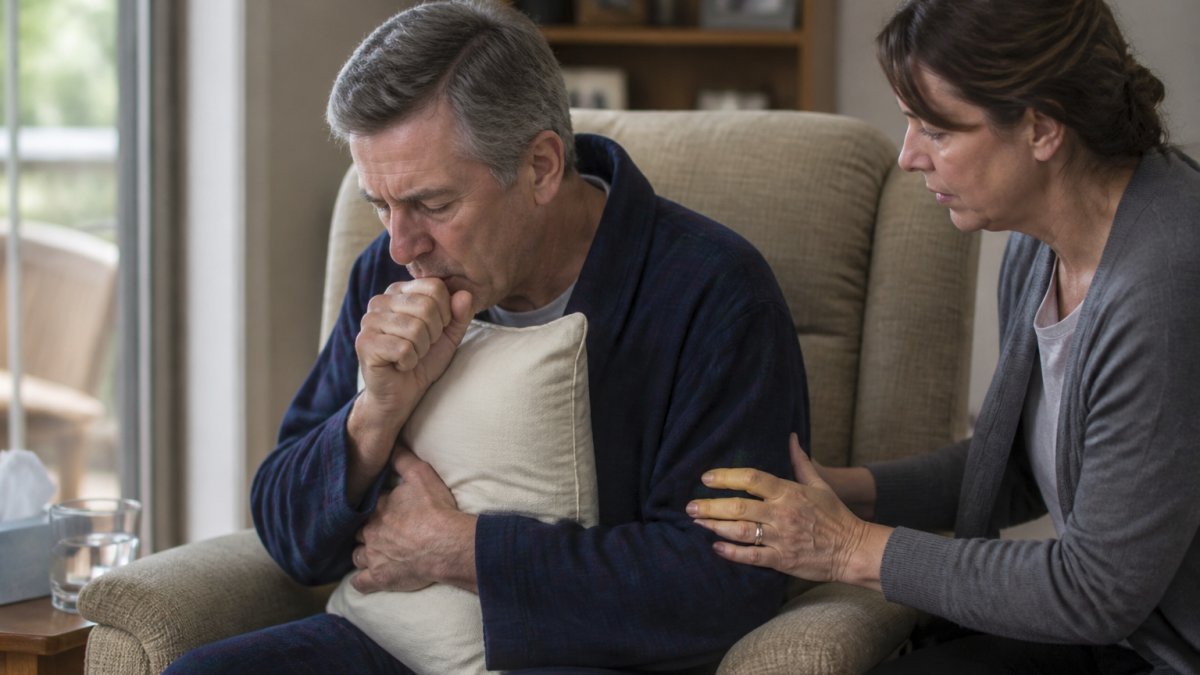
The core rule: do not put stress on your chest wall. No pushing, pulling, or lifting beyond your limit, and support your chest when you cough.
Safe Movements and Movements to Avoid
Safe movements during recovery:
- Walking at a gentle pace
- Sitting up with your arms at your sides
- Using a pillow to splint your chest when you cough
- Light activities that keep your elbows close to your body
Movements to avoid:
- Pushing up from a chair with your arms
- Lifting anything heavy, including groceries or children
- Reaching overhead or behind you
- Pulling doors open with force
- Twisting your torso
A common mistake is doing too much too soon because you feel better. Feeling better does not mean the bone is fully healed. Stick with the precautions until your care team clears you.
Pre-Operative Lifestyle Changes That Lower Your Risk
Most articles about sternal nonunion start after surgery. That is backwards: the weeks before your operation are when you have the most control over how your sternum heals, and this is the window most guides skip.
Sternal healing depends on three things your body supplies: steady blood flow, enough raw material to build new bone, and a mechanical environment that is not fighting itself. Every pre-operative change below targets one of those.
Smoking Cessation: The Highest-Impact Change
Nicotine constricts blood vessels and carbon monoxide displaces oxygen, starving the bone ends of what they need to fuse. Smoking also suppresses bone-building cells and increases coughing, which strains the wires.
Surgeons see that patients who quit at least four weeks before surgery heal more predictably than those who quit the day before. Cutting down helps, but full cessation is the goal. Ask your care team about nicotine replacement, bupropion, or varenicline, all commonly used pre-surgically.
Blood Sugar Control
If you have diabetes, your hemoglobin A1c is one of the strongest predictors of how your sternum heals. High blood sugar damages small blood vessels, impairs immune function, and slows new bone formation. Many surgical teams want an A1c below roughly 7% before elective heart surgery, though your target may differ.
Practical steps:
- Ask for an A1c test if you have not had one in the last three months
- Work with your primary care doctor or endocrinologist to adjust medications
- Check blood sugar more frequently in the weeks before surgery
- Tell your surgical team about every diabetes medication, including newer injectables
Nutrition: Building the Raw Material
Bone is roughly 70% mineral and 30% protein by weight. If you go into surgery undernourished, your body has nothing to build with.
Key nutrients and where they come from:
- Protein, aim for a palm-sized portion at every meal; eggs, fish, poultry, beans, Greek yogurt
- Calcium, dairy, fortified plant milks, leafy greens, canned fish with bones
- Vitamin D, fatty fish, fortified foods, and sun exposure; many adults are low and need a supplement
- Vitamin C, citrus, peppers, broccoli; supports collagen formation in healing tissue
- Zinc, meat, shellfish, legumes, seeds; involved in bone matrix formation
A practical target many dietitians use is 1.2 to 1.5 grams of protein per kilogram of body weight per day in the pre- and post-surgical period. Ask your team what number fits you.
Bone Health Assessment
If you have risk factors for osteoporosis, postmenopausal status, long-term steroid use, a prior fragility fracture, or a family history, ask about a DEXA scan before surgery. Low bone density makes wire fixation less reliable and raises nonunion risk. If your bone density is low, your surgeon may plan a different fixation strategy from the start.
Medications to Review
Some medications interfere with bone healing:
- Corticosteroids (prednisone and similar), suppress bone formation and immune function
- Certain immunosuppressants, slow tissue repair
- Some blood thinners, your surgeon will manage timing, but flag every one
Do not stop any prescription on your own. Bring a complete medication list, including supplements and over-the-counter drugs, to your pre-surgical appointment.
Prehabilitation: Getting Stronger Before You Are Weaker
Prehabilitation, pre-surgery physical therapy and conditioning, is standard in joint replacement and increasingly used before cardiac surgery. The logic is simple: a patient who walks into surgery stronger walks out of it stronger.
A basic prehab plan often includes:
- Walking most days, building toward 30 minutes if you can tolerate it
- Gentle upper-body mobility work that does not strain the chest
- Breathing exercises to build lung capacity
- Practice with the pillow-splinting cough technique you will use after surgery
Ask your surgical team whether a prehab referral is appropriate for you.
A Simple Pre-Surgery Checklist
- Quit smoking at least four weeks before surgery if possible
- Get an A1c test and bring blood sugar into target range
- Add a protein source to every meal
- Ask about vitamin D and calcium supplementation
- Review every medication, including steroids and supplements
- Ask about a DEXA scan if you have osteoporosis risk factors
- Request a prehab referral if your hospital offers one
- Practice the pillow-splint cough before surgery, not after
Smoking cessation resources and quitline information
Cardiac rehabilitation program information
Physical Therapy and Rehabilitation After Sternotomy
Rehabilitation after sternotomy is not optional, and it is not something to figure out on your own. A structured program rebuilds strength and endurance without loading the sternum faster than it can heal. Here is a phase-by-phase breakdown you can bring to your care team.
Why Timing Matters More Than Intensity
Your sternum is not fully healed at six weeks, or even three months. Most surgeons consider the bone solid enough for normal activity somewhere between three and six months, but the wires and bone share load for much longer than most patients realize. Pushing too hard in the first twelve weeks is one of the most common ways patients undo good surgical work.
Phase 1: Weeks 1-6, Protect and Breathe
Goals: keep lungs clear, prevent blood clots, protect the sternum.
What to do:
- Incentive spirometry, use it ten times per hour while awake, as directed
- Pillow-splint coughing, hug a firm pillow to your chest for every cough, sneeze, or laugh
- Ankle pumps and foot circles, every hour while awake to prevent clots
- Short walks, start with laps around the room, build to hallway walks several times a day
- Shoulder shrugs and gentle pendulum swings, keep the shoulder joint from stiffening without pulling on the sternum
What to avoid:
- Lifting more than 5-10 pounds (a gallon of milk is about 8 pounds)
- Pushing up from a chair or bed with your arms
- Reaching overhead or behind you
- Pulling doors open with force
- Twisting your torso to reach for something
Phase 2: Weeks 6-12, Gentle Mobility and Light Activity
Goals: restore shoulder range of motion, rebuild walking endurance, begin light daily activity.
What to do:
- Walking, build toward 20-30 minutes most days, split into shorter sessions if needed
- Shoulder range of motion, wall slides, table slides, and gentle cane-assisted raises, only to the point of mild stretch, never pain
- Light household tasks, folding laundry, light meal prep, seated tasks
- Posture work, stand tall, shoulders back; many patients slump forward to protect the chest, which creates its own problems
What to avoid:
- Any exercise that produces a click, pop, or sharp pain in the chest
- Push-ups, planks, or anything that loads the arms against the chest
- Heavy resistance training of any kind
- Contact sports or activities with a fall risk
Phase 3: Months 3-6, Progressive Strengthening
Goals: rebuild upper body strength, return to most daily activities.
What to do, only with your surgeon's or therapist's clearance:
- Resistance bands, start with light bands for rows, presses, and shoulder work
- Light weights, begin with 1-3 pound dumbbells and progress slowly
- Cardio, stationary bike, treadmill walking, or elliptical as tolerated
- Swimming, often allowed once incisions are fully closed and cleared
What to avoid:
- Jumping straight to your pre-surgery weights
- Bench press, heavy overhead press, or pull-ups before clearance
- Anything that causes chest discomfort, stop and back off
Phase 4: Beyond 6 Months, Return to Full Activity
Most patients are cleared for full activity between three and six months, but this varies widely. Bone density, diabetes control, nutrition, and how the surgery went all affect the timeline. Some patients need nine months or longer.
Red Flags: When to Stop and Call Your Team
Stop exercising and contact your care team if you notice:
- New clicking, popping, or grinding in the chest
- Sharp or worsening chest pain with activity
- Visible movement of the breastbone
- Shortness of breath that is new or worsening
- Fever, chills, or drainage from the incision
- Swelling, redness, or warmth at the incision site
These can signal a nonunion, an infection, or another complication that needs evaluation.
Cardiac Rehabilitation: The Structured Option
Many hospitals offer a formal cardiac rehab program, typically 12 weeks of supervised exercise and education, often covered by insurance for qualifying patients. If your team offers one, take it. Supervised rehab is safer than going it alone, and it gives you a therapist who can adjust your plan week by week.
Cardiac rehabilitation guidelines and program finder
Physical activity guidelines for adults
The Emotional Toll of Chronic Sternal Pain
Chronic sternal pain wears on more than your body. It wears on your mood, your sleep, and your sense of self. This is the part many recovery guides leave out.
When Surgery Is Needed: Treatment Options for Sternal Nonunion
Surgery is often the answer when a nonunion does not heal on its own. The goal is to stabilize the chest wall and give the bone a real chance to fuse.
Treatment options include:
- Debridement to remove nonviable bone and infected tissue
- Autologous bone graft, using your own bone to bridge the gap
- Rigid-plate fixation or sternal plating for firm stability
- Rewiring in simpler cases
Frequently Asked Questions
What are the symptoms of a sternal nonunion?
The most common signs are persistent chest pain that worsens with movement, a clicking or popping sensation when you move your upper body, and visible instability in the chest wall. Some patients notice a sternal gap or feel the bone edges shifting. Swelling, redness, or drainage could point to infection, which needs urgent care. If you have any of these symptoms weeks or months after surgery, contact your surgeon. A clinical diagnosis often involves a physical exam and imaging such as a computed tomography scan to confirm the bone has not fused.
How common is sternal nonunion after open-heart surgery?
Sternal nonunion is uncommon but not rare. Most sternums heal within 6 to 12 weeks when patients follow sternal precautions after heart surgery. The risk climbs when risk factors for sternal nonunion are present, including diabetes, obesity, chronic coughing, or early heavy lifting. Because the condition can develop slowly, many patients dismiss early clicking or aching as normal recovery. Reporting symptoms early gives your care team the best chance to intervene before the bone fully fails to heal.
What activities should I avoid to prevent sternal nonunion?
For at least 6 to 8 weeks, avoid pushing or pulling with your arms, lifting anything heavier than 5 to 10 pounds, and using your arms to get out of bed or a chair. Do not drive until your surgeon clears you, since sudden braking forces your chest muscles to brace. Avoid strenuous upper-body exercises and contact sports for at least 12 weeks. Follow your sternal healing timeline and ask your care team before returning to any activity that requires chest or arm strength.
How is a sternal nonunion treated?
Treatment depends on the severity. Some cases respond to conservative care such as activity restriction, pain management, and a bone stimulator. When the bone has not fused and symptoms interfere with daily life, surgical intervention is often needed. Surgeons may perform debridement to remove nonviable bone, followed by rigid-plate fixation or sternal plating with autologous bone graft to rebuild stability. Recovery after revision surgery follows a similar timeline to the original operation, so patience with physical therapy and sternal precautions matters just as much the second time.
Facing a sternal nonunion is frightening, and the road back can feel long. You do not have to walk it by yourself. The Zipper offers a peer community of heart surgery survivors, a recovery nutrition tracker to support healing, and resources that address both the physical and emotional sides of recovery. Join The Zipper and rebuild your strength of body and soul alongside people who understand.


