

Last Updated: November 24, 2026
Quick Summary
The best post-surgery apparel is loose-fitting, front-opening clothing in soft, breathable fabric that clears your incision sites and works with limited range of motion. Build your discharge outfit from three layers: a soft base tee, a front-opening layer, and loose pants with an elastic waist. Add slip-on shoes and a small pillow for the seatbelt.
- Front-opening tops are easier for chest and abdominal incisions because you avoid raising your arms overhead.
- Pack your discharge outfit before surgery day, including two of each base layer.
- Elastic-waist pants should sit above or well below the incision, never across it.
- Caregivers should dress the affected side first, then reverse that order when undressing.
- You can substitute a loose button-up shirt and elastic-waist pajama pants you already own.
Table of Contents
- Why the Right Outfit Matters for Your Trip Home
- Quick Comparison: Top Picks for Post-Surgery Apparel
- Key Features to Look for in Post-Surgery Clothing
- The Best Shirts to Wear After Open Heart Surgery
- What to Wear Home from the Hospital After Surgery
- Post-Surgery Adaptive Clothing: Easy Dressing Solutions
- Pants to Wear After Abdominal Surgery
- Packing Checklist for Your Hospital Discharge Outfit
- Join The Zipper for Recovery Support
- Frequently Asked Questions
Why the Right Outfit Matters for Your Trip Home
The best apparel for post-surgery hospital discharge is loose-fitting, front-opening clothing in soft, breathable fabric that clears your incision sites and works with limited range of motion. Getting that outfit right matters more than most patients expect, because the trip home is the first real test of your recovery. The discharge ride is often uncomfortable, and the wrong clothes can make it worse.
Here is what most discharge guides get wrong. They focus on the hospital stay and skip the twenty minutes in a car that follow. The American Heart Association's cardiac recovery guidance is clear that sternal precautions shape how you move, reach and dress for weeks. Your clothes either support that or fight it.
Below, we break down nine practical apparel picks, the features that matter, and how to pack so the trip home is one less thing to worry about.
Quick Comparison: Top Picks for Post-Surgery Apparel
Here are nine apparel picks for post-surgery recovery, covering the items that matter most on discharge day.
| # | Item | Price | Best For |
|---|---|---|---|
| 1 | Unisex Hoodie | $29.00 | Chilly hospital rooms and car rides |
| 2 | Unisex Premium Sweatshirt | $31.00 | Layering over a front-opening top |
| 3 | Women's Relaxed T-Shirt | $20.00 | Light, breathable base layer |
| 4 | Unisex Organic Cotton T-Shirt | $29.00 | Sensitive skin and easy washing |
| 5 | Muscle Shirt | $29.00 | Shoulder surgery and arm mobility limits |
| 6 | The Zipper Club Men's Classic Tee | $29.00 | Everyday wear through recovery |
| 7 | Front-opening button-up | Varies | Chest and abdominal incisions |
| 8 | Elastic-waist sweatpants | Varies | Hip, knee and abdominal surgery |
| 9 | Slip-on shoes | Varies | Bending restrictions |
Items 1 through 6 are ours. Items 7 through 9 are categories worth buying wherever you shop, and we explain what to look for in each.
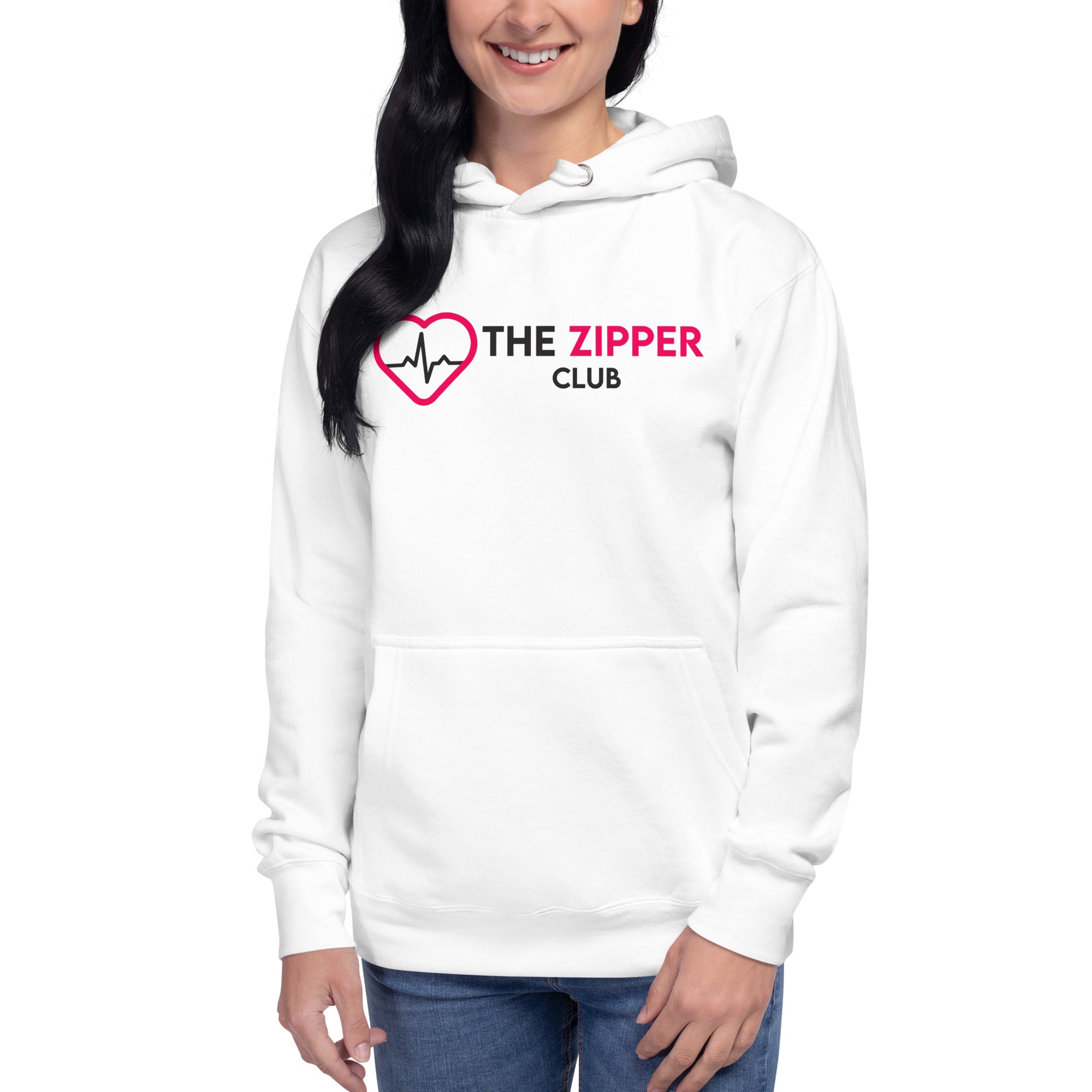
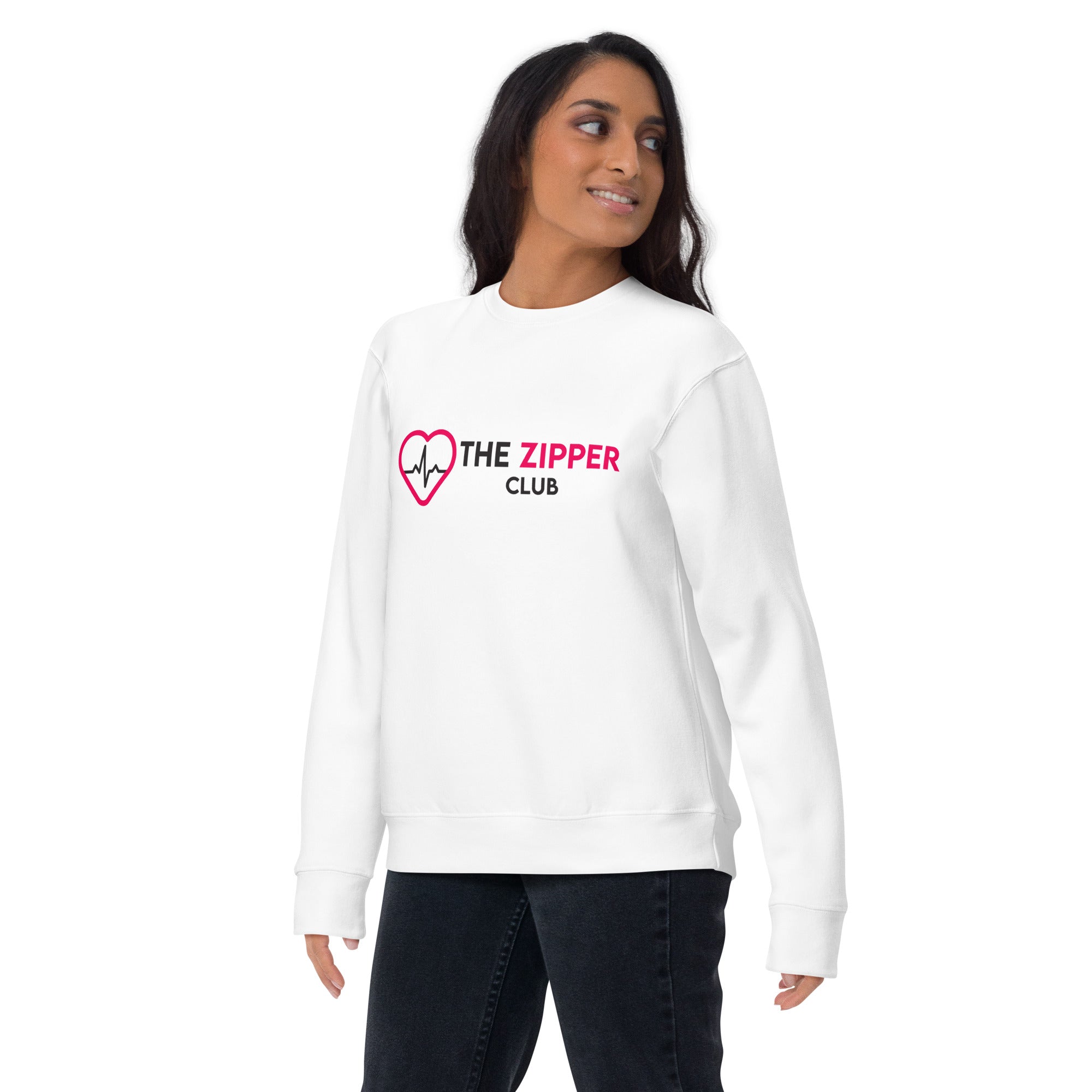
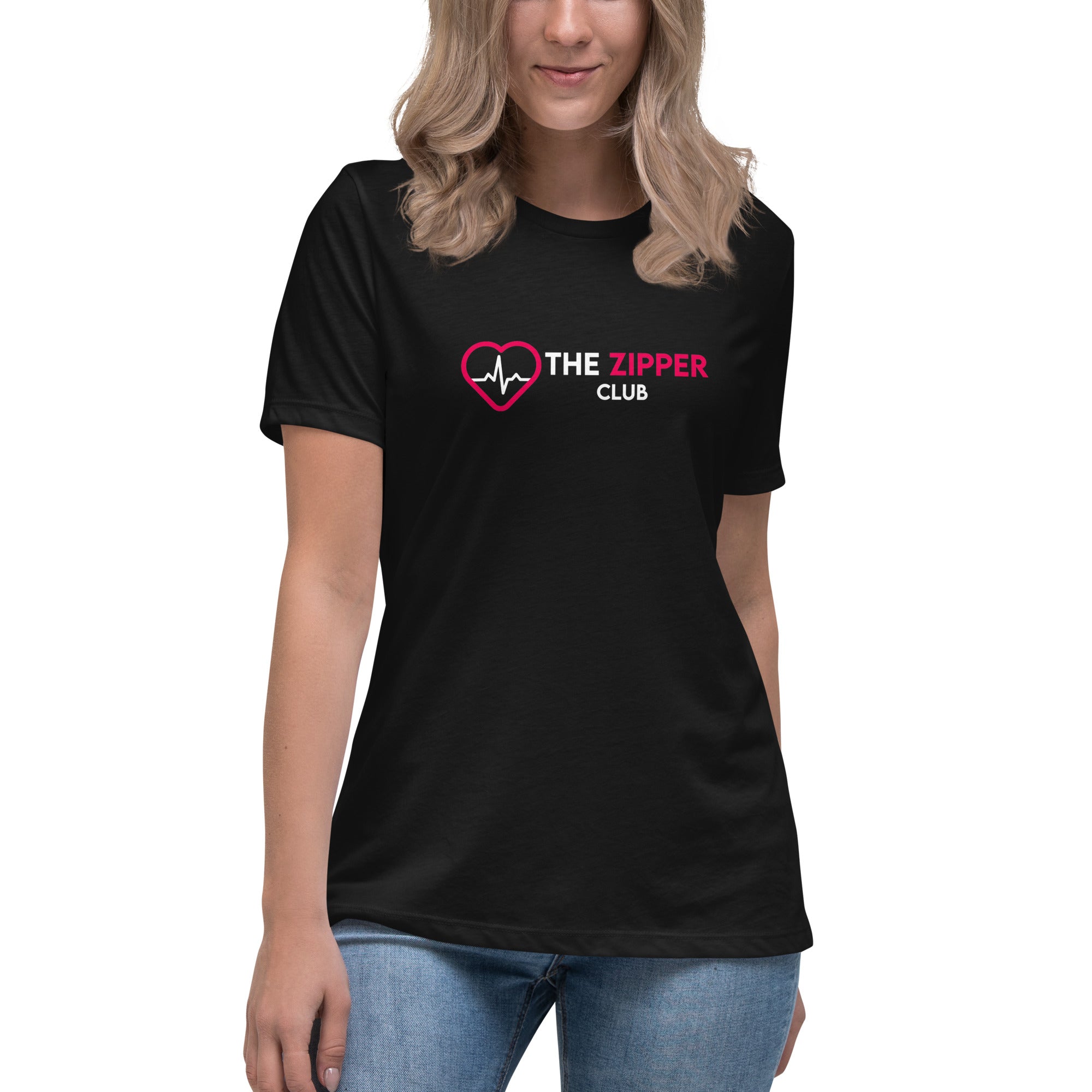
Prices of post-surgery apparel picks
Key Features to Look for in Post-Surgery Clothing
Fabric and fit matter a great deal. Look for soft, breathable fabric cut loose enough to clear bandages without rubbing.
A common mistake is buying one size up and calling it done. Too much fabric bunches under a seatbelt and pulls at the shoulders. Look for a relaxed cut instead, like our Unisex Organic Cotton T-Shirt, made from 100% organic ring-spun cotton. Its sizes run small for the US market, so order one size up.
Closures and Accessibility
Front-opening tops are generally easier for chest and abdominal incisions because you do not need to raise your arms overhead. Button-up shirts, zip-front tops and snap closures all qualify. Watch out: back-closure garments require you to lean forward, which can strain a fresh sternal incision.
The Best Shirts to Wear After Open Heart Surgery
The best shirts to wear after open heart surgery open at the front, sit loose across the chest and skip anything you pull over your head. A soft cotton tee worn under an open layer keeps you from lifting your arms.
Sternal precautions are the reason. The Cleveland Clinic's guide to recovery after heart surgery notes that patients avoid pushing, pulling and lifting with the arms while the breastbone heals, and dressing is where most people slip up. A front-opening top removes the problem entirely.
For a fuller list of soft cotton options worth buying, see our roundup of soft cotton shirts that make post-op comfort easier. Pair that with a clear understanding of sternal precautions for daily activities before you pack your bag.
What to Wear Home from the Hospital After Surgery
What to wear home from the hospital after surgery comes down to three layers: a soft base tee, a front-opening layer, and loose pants with an elastic waist. Add slip-on shoes and a small pillow for the seatbelt.

Weather and transport change the plan. A winter discharge can call for a hoodie over your base layer. A summer discharge calls for the Women's Relaxed T-Shirt alone. If you are riding in a low car, loose pants matter more than a jacket.
Post-Surgery Adaptive Clothing: Easy Dressing Solutions
Post-surgery adaptive clothing is any garment built so you can put it on without twisting, reaching overhead or bending far. Snaps, zippers, tearaway seams and open-back designs all count.
Caregivers dressing a patient should start with the affected side first, then the unaffected side, and reverse that order when undressing.
Recovery swelling can change your measurements, and a relaxed fit often accommodates that better than a tailored one.
Pants to Wear After Abdominal Surgery
Pants to wear after abdominal surgery need a soft elastic waist that sits above or well below the incision, never across it. Drawstrings help because you can adjust as swelling shifts.
Avoid jeans, belts and anything with a stiff seam down the front. High-waisted styles that rest above the navel often work better than mid-rise cuts for lower abdominal incisions. For hip or knee surgery, choose wide-leg sweatpants you can slide over a dressing without tugging.
Packing Checklist for Your Hospital Discharge Outfit
Pack your discharge outfit before surgery day, not after. Use this checklist and hand it to whoever is driving you home.
- One soft cotton base tee, one size up
- One front-opening layer with buttons or a zip
- Elastic-waist pants with a drawstring
- Slip-on shoes with a closed back
- A small pillow for the seatbelt
- A light jacket or hoodie for the ride
- Spare underwear and socks
- A bag for soiled clothes
For a broader list of what to bring, our guide on what to pack for a hospital stay before heart surgery covers the rest. Laundry matters too: pack two of each base layer so you are not washing on day one.
Procedure-Specific Outfit Examples
The same checklist works for most discharges, but the outfit you actually wear home should match your procedure. Here are practical examples for five common surgeries.
Abdominal surgery (including C-sections and hernia repair): Choose loose pants with a soft elastic waist that rests above the incision, plus a loose front-opening top that does not rub across the belly.
Breast surgery (including mastectomy and lumpectomy): A front-opening button-up or zip-front top in soft cotton lets you dress without raising your arms. Look for tops with interior pockets for drains if your care team sends you home with them. Loose pajama pants with a drawstring waist complete the outfit.
Shoulder surgery: A wide-armhole muscle shirt or a top that opens on the affected side lets you step into the garment rather than pull it overhead. Pair it with elastic-waist pants you can pull on with one hand. Slip-on shoes with a closed back are essential because you cannot tie laces.
Hip surgery: Wide-leg sweatpants that slide over a dressing without tugging are the priority. Avoid tight waistbands and back pockets that press on the surgical site. A front-opening top and slip-on shoes with a non-slip sole complete the outfit.
Knee surgery: Loose, wide-leg pants that clear a brace or dressing are essential. Choose a soft elastic waist and avoid anything fitted through the thigh. A front-opening top and slip-on shoes round out the outfit.
Weather, Transport, and the Trip Home
Layering matters more than most people expect. A winter discharge needs a warm hoodie or jacket over your base layer, plus a blanket for the car. A summer discharge calls for a single breathable tee and light pants. If your ride is long, bring a spare base layer in case you sweat or a dressing leaks.
Transport changes the plan too. In a low car, loose pants matter more than a jacket because you need room to slide in and out. Ask your care team whether you need to avoid certain seat positions or use a cushion for the trip home.
Caregiver-Assisted Dressing and Inclusive Sizing
If a caregiver is helping you dress, start with the affected side first, then the unaffected side, and reverse that order when undressing. Adaptive clothing with snaps, tearaway sides, or open-back designs reduces the amount of reaching and twisting required. Recovery swelling changes your measurements week to week, so order based on chest or waist width rather than your pre-surgery size. A relaxed fit handles swelling better than a tailored one.
Watch out: back-closure garments look clever but require you to lean forward, which strains a fresh sternal or abdominal incision. Choose front-opening designs instead unless your care team specifically recommends otherwise.
Laundry and Garment Reuse
Pack two of each base layer so you are not washing on day one. Keep a separate bag for garments that contact drainage or wound dressings, and follow your care team's instructions for handling soiled clothing. Spare outfits reduce stress when a dressing leaks or you sweat through a layer.
Low-Cost Alternatives and Household Substitutes
You do not need specialized recovery wear to dress comfortably. A loose button-up shirt from your closet works as a front-opening layer. Elastic-waist pajama pants or sweatpants you already own can replace dedicated recovery pants. A hoodie or zip-front jacket serves as a warm layer. Slip-on shoes or slippers with a closed back and non-slip sole are safer than flip-flops. A small throw pillow from home works as a seatbelt cushion. Start with what you have, then buy only the items that solve a specific problem.
Join The Zipper for Recovery Support
Choosing the right clothes solves one morning. The weeks after are where most people need help, and that is exactly why we built The Zipper.
Our founder, Steve Rucinski, is a heart surgery survivor who started this community after his own recovery. You get a compassionate network of peers, practical tools like our recovery nutrition tracker, and guidance for the emotional side of healing that pamphlets never cover. You can use the tools quietly without joining group chats, and you can see our community pricing plans before you commit.
Recovery is easier when you are not doing it alone. Get started with The Zipper and rebuild strength of body and soul alongside people who understand exactly what week one feels like.
The trip home is one morning. The months that follow ask for more than a good outfit, and that is where steady support makes the difference. The Zipper offers a peer community of heart surgery survivors, a recovery nutrition tracker, and resources that address both the physical and emotional sides of healing. Get started with The Zipper and take the next step of recovery with people who have been there.
Frequently Asked Questions
What is the best clothing to wear after surgery?
The best clothing after surgery is loose-fitting, soft, and easy to put on and take off. Look for front-opening tops, elastic-waist pants, and breathable fabrics like cotton. Adaptive clothing with snaps or tearaway sides can help if you have limited mobility. Avoid tight waistbands, synthetic fabrics, and anything that pulls over your head. The Zipper's Unisex Hoodie and Women's Relaxed T-Shirt are soft cotton options to consider.
What should I wear coming home from the hospital?
Choose an outfit that is comfortable, easy to move in, and doesn't press on incisions. A front-opening shirt or zip-up hoodie, loose pants with an elastic waist, and slip-on shoes are ideal. Bring a small pillow to cushion your chest from the seatbelt. Pack your bag before surgery so it's ready when you need it. The Zipper's Unisex Premium Sweatshirt is a cotton option with a relaxed fit.
Are button-up shirts better after heart surgery?
Yes, button-up or zip-front shirts are often better after heart surgery because they don't require raising your arms over your head, which can be painful and strain your incision. Look for shirts with snap closures or magnetic buttons for even easier dressing.
What kind of pants are easiest to wear after surgery?
Pants with an elastic waist or drawstring are easiest because they don't put pressure on abdominal incisions and are simple to pull on. Avoid buttons, zippers, and tight waistbands. Loose-fitting sweatpants or adaptive pants with side openings work well. For abdominal surgery, high-waisted soft pants can provide gentle support without digging in.


