

Last Updated: November 21, 2026
Quick Summary
Choosing soft cotton shirts for post-op comfort comes down to fabric weight, weave, seam placement, and how the shirt opens and closes. Look for lightweight combed or ring-spun cotton with flat seams, and pick a front-opening design so you can dress without raising your arms over your head.
- A lightweight cotton knit of roughly 4 to 5 ounces per square yard drapes without pressing on incisions.
- Flat seams and side-seamed construction reduce friction along the chest, under the arms, and across the shoulders.
- Button-front and zip-front shirts let you slide arms in one at a time and avoid overhead reaching.
- Pack three soft cotton tees, one front-opening shirt, one spare tee, and one long-sleeve shirt for a hospital stay.
- Wash new shirts before wearing them and skip fabric softener, which can leave residue on tender skin.
Table of Contents
- Start With a Fabric and Fit Checklist for Post-Op Comfort
- 100% Cotton vs. Cotton Blends: Which Soft Fabric Heals Better?
- Best Shirts to Wear After Open Heart Surgery: 7 Options Ranked
- Front-Opening Shirts After Surgery: Why They Beat Pullover Tees
- What to Wear After Heart Surgery: Day-by-Day Wardrobe Guide
- How Many Shirts Should I Pack for a Hospital Stay?
- Dressing With Limited Mobility, Drains or Dressings
- Care, Washing and Skin-Sensitivity Considerations
- Build Your Recovery Wardrobe With The Zipper
- Frequently Asked Questions
Start With a Fabric and Fit Checklist for Post-Op Comfort
The single biggest mistake people make after heart surgery is buying shirts that look soft but press, rub, or cling in exactly the wrong places. Choosing soft cotton shirts for post-op comfort comes down to four things: fabric weight, weave, seam placement, and how the shirt opens and closes. Get those right and dressing stops being a daily battle.
This guide walks through the fabric and fit decisions that actually matter, then ranks seven shirt options that suit real recovery conditions. For a broader look at choosing clothing for post-op comfort, see our recovery guide. Below, we'll show you exactly how to check a shirt before you buy it, so you're not guessing from a product photo.
Fabric weight, weave and breathability
Fabric weight tells you how a shirt will feel against tender skin and stitches. A lightweight cotton knit, roughly 4 to 5 ounces per square yard, drapes without pressing on incisions. Heavier cotton, around 5 to 6 ounces, feels more substantial and hides dressings better but can feel warm during long days in bed.
Breathability matters more than softness alone. A breathable fabric allows air to move against the skin, which many people find more comfortable during long days of rest. Look for combed or ring-spun cotton, which feels smoother because the fibers are aligned before spinning.
Seams, closures and pressure points
Run your fingers along the inside of any shirt before you commit to it. Flat seams and side-seamed construction reduce friction against sensitive skin. Seam placement matters most along the chest, under the arms, and across the shoulders, where a sternotomy incision and drain sites sit.
A front closure can make dressing easier in the first weeks. A button-front shirt or a zip-front top generally lets you dress without raising your arms over your head. Check the neckline too: a crew neck should stretch easily, and nothing should sit directly on a chest incision.
100% Cotton vs. Cotton Blends: Which Soft Fabric Heals Better?
For many people, 100% cotton is a common choice because it feels soft and breathes well. Cotton blends earn their place when you need stretch, faster drying, or wrinkle resistance, but they trade away some breathability and, depending on the blend, some softness.
The right choice depends on which trade-off matters most in your recovery. Here is how the common options compare on the factors that actually affect comfort:
| Fabric | Softness | Stretch | Drying Time | Shrinkage | Pilling | Ease of Dressing | Best For |
|---|---|---|---|---|---|---|---|
| 100% cotton (combed or ring-spun) | High | Low | Slow | Moderate to high | Low to moderate | Moderate | Sensitive skin, incision care, everyday wear |
| Cotton-polyester blend (60/40 or 50/50) | Moderate | Low to moderate | Fast | Low | Moderate | Moderate | Travel, hospital stays, durability |
| Cotton with 3-5% elastane | High | High | Moderate | Low to moderate | Low | High | Limited mobility, easy on-off |
| Cotton-modal blend | Very high | Moderate | Moderate | Low | Low | Moderate | Very sensitive skin, softness priority |
Softness. Combed and ring-spun cotton feel smoother because short fibers are removed and the remaining fibers are aligned before spinning. Cotton-modal blends often feel softer out of the bag, but modal can cling more than plain cotton, which matters over a tender chest.
Stretch and ease of dressing. A small amount of elastane can make a shirt easier to pull on, and it can help the fabric keep its shape after washing. The trade-off is fit: stretch fabrics can feel snug over incisions if you size down. Choose a loose fit and check that the stretch does not pull the fabric taut across your chest.
Drying time and shrinkage. Pure cotton absorbs moisture and dries slowly, which is a real drawback if you are sweating through the night or hand-washing in a hospital sink. Cotton-polyester blends are often described as drying faster, though fiber blends vary. Cotton can shrink after washing, so check care labels and consider sizing with that in mind.
Pilling and surface texture. Some blends may pill more at friction points over time. Turning shirts inside out before washing is a common care habit.
A practical rule. If your skin is reactive or you have had irritation from synthetic fabrics before, start with 100% combed or ring-spun cotton in a loose fit. If dressing is the hard part, add one or two cotton-elastane shirts for the first two weeks. If you are packing for a hospital stay or traveling to follow-up appointments, a cotton-polyester blend is the most practical spare. Read the fabric content on the label rather than the marketing copy, and wash everything before the first wear.
Watch out: a shirt labeled "cotton blend" can contain as little as 40% cotton. If softness against skin is the priority, check that cotton is the first-listed fiber and that the blend does not exceed roughly 50% synthetic content.
Best Shirts to Wear After Open Heart Surgery: 7 Options Ranked
The best shirts to wear after open heart surgery share three traits: soft cotton fabric, a loose fit that clears the chest, and a design you can put on without lifting your arms overhead. We ranked seven options by how well they handle those demands, starting with the one we'd reach for first.

1. The Zipper Club Men's Classic Tee ($29.00) is 100% cotton at 5.0 to 5.3 oz/yd², with taped neck and shoulders and a double seam at the sleeves and hem. Best for men who want a structured, everyday tee.
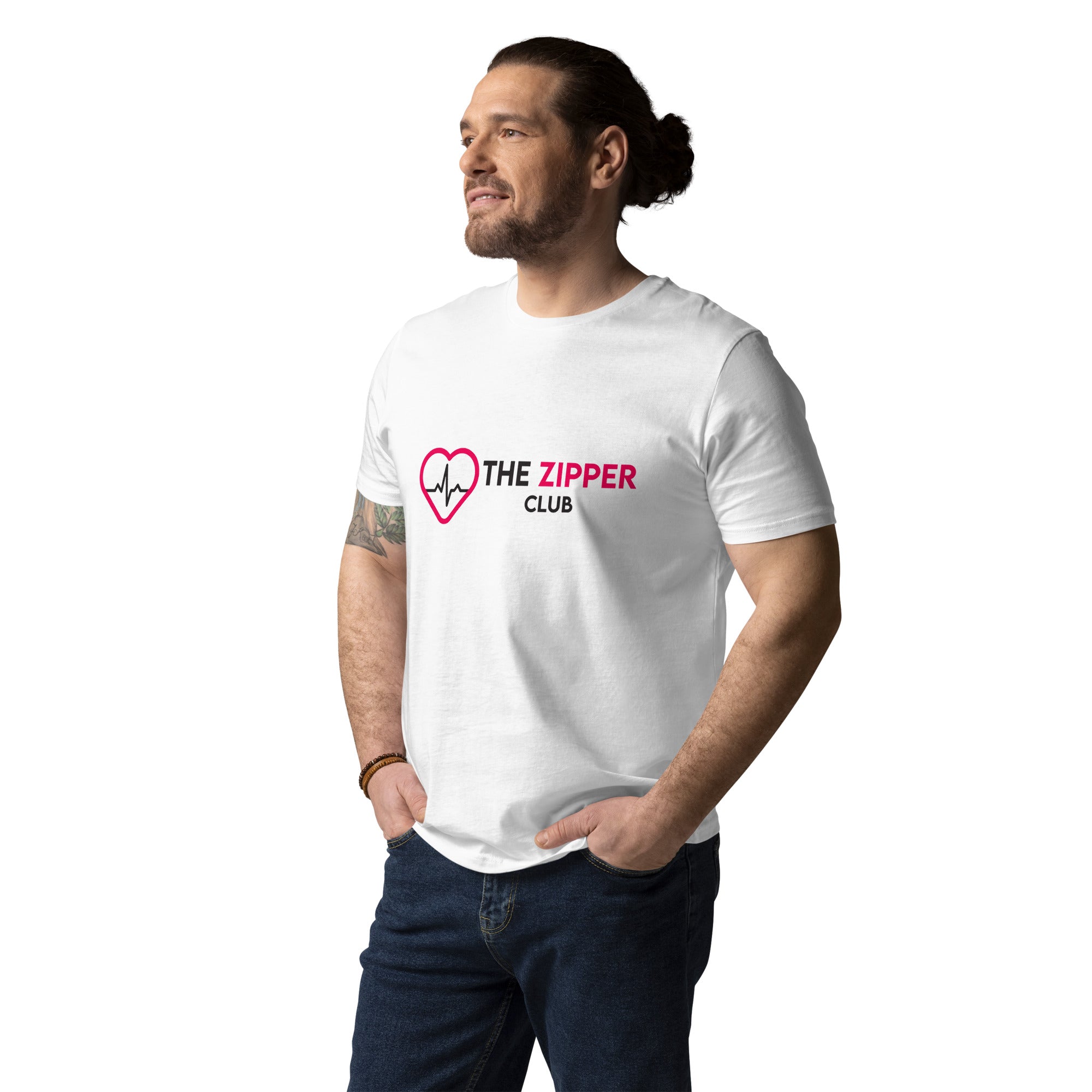
2. Unisex Organic Cotton T-Shirt ($29.00) is 100% organic ring-spun cotton at 5.3 oz/yd², with a medium fit and a 1×1 rib collar. Customers in the US market should order a size up. Best for anyone prioritizing organic fabric.
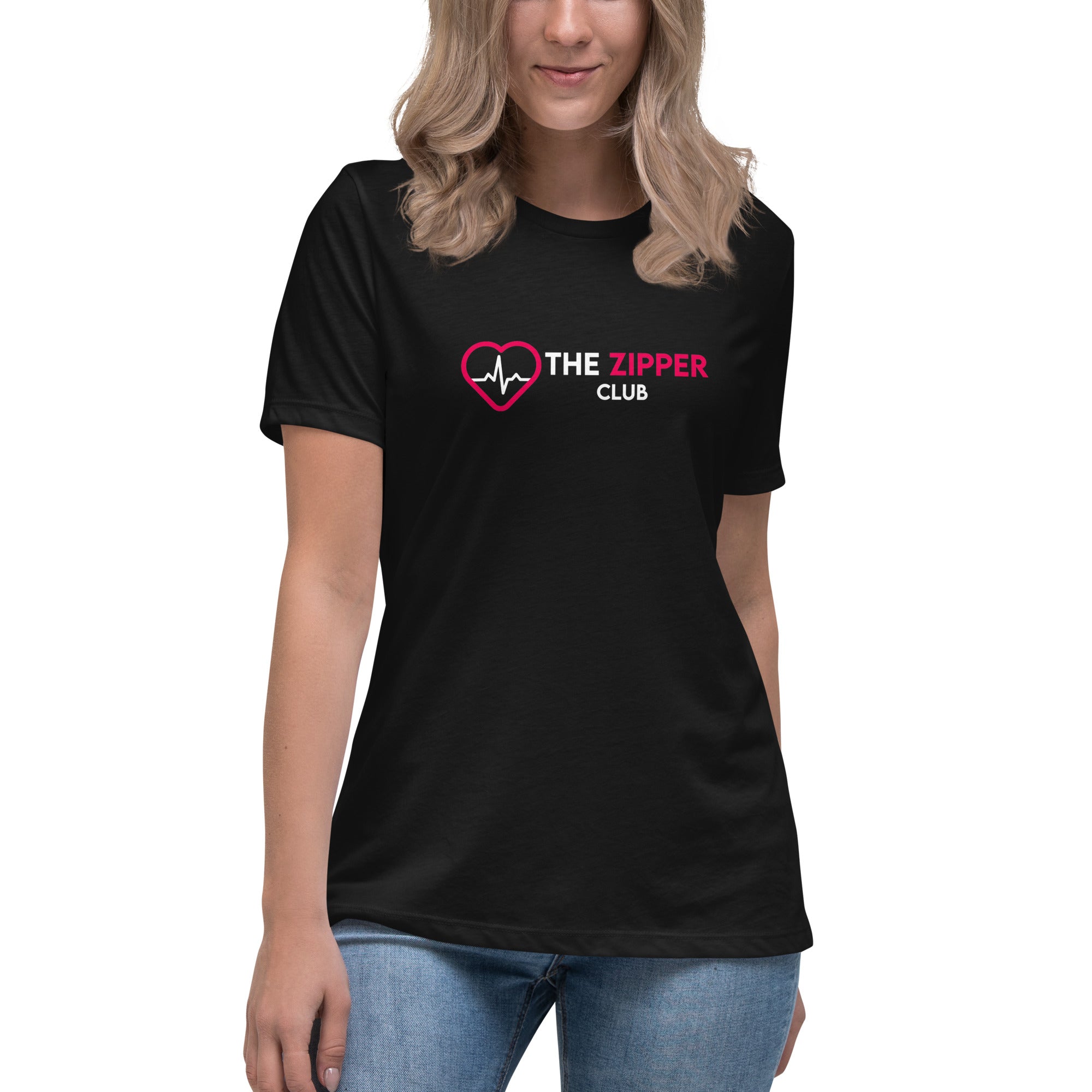
3. Women's Relaxed T-Shirt ($20.00) uses 100% combed and ring-spun cotton at 4.2 oz/yd² with a relaxed fit and side-seamed construction. The lighter weight suits warmer conditions. Best for women who want an easy, breezy everyday tee.
4. Loose-fit cotton crew neck. A basic, inexpensive choice for the hospital bag. Look for flat seams and a tagless label.
5. Button-front cotton shirt. The easiest option for dressing with limited mobility. Choose one with soft, lightweight cotton and skip stiff collars.
6. Zip-front cotton top. A good middle ground between a tee and a button-front. Check that the zipper pull doesn't rest on your chest.
7. Cotton sleep shirt or gown. Useful for the first nights home, when you want minimal fabric against the chest and quick access for dressing changes.
Quick comparison: price, fabric and fit
| Shirt | Price | Fabric | Fit | Best For |
|---|---|---|---|---|
| Zipper Club Men's Classic Tee | $29.00 | 100% cotton, 5.0-5.3 oz | Classic | Structured everyday wear |
| Unisex Organic Cotton T-Shirt | $29.00 | 100% organic cotton, 5.3 oz | Medium | Sensitive skin, organic fabric |
| Women's Relaxed T-Shirt | $20.00 | 100% combed cotton, 4.2 oz | Relaxed | Lightweight daily comfort |
| Button-front cotton shirt | Varies | Lightweight cotton | Loose | Easy dressing, early recovery |
| Zip-front cotton top | Varies | Cotton blend | Loose | Middle-ground closure |
| Cotton sleep shirt | Varies | Soft cotton | Loose | First nights home |
Price
Front-Opening Shirts After Surgery: Why They Beat Pullover Tees
Front-opening shirts after surgery can be easier to put on than pullover tees because they avoid raising your arms overhead. A button-front or zip-front shirt lets you slide your arms in one at a time and close the front, which protects your incision and keeps you independent.
The trade-off is real. Front closures add buttons or zippers that can rub, so check that any zipper is covered by a fabric placket and that buttons sit flat. For the first week or two, a front-opening shirt is worth the extra cost. After that, a soft cotton tee like the ones above becomes the more comfortable daily choice.
What to Wear After Heart Surgery: Day-by-Day Wardrobe Guide
What to wear after heart surgery changes fast in the first two weeks. Plan for loose, soft layers early and transition to regular cotton tees as your mobility returns.
- Days 1-3 (hospital): Loose hospital gowns or a front-opening shirt. Keep fabric off the chest and make dressing changes easy.
- Days 4-7 (first days home): Front-opening shirts and cotton sleep shirts. Choose lightweight fabric and avoid anything tight across the chest.
- Weeks 2-3: Soft cotton tees in a loose fit, worn with a front-opening layer for outings. Watch for seams rubbing near drain sites.
- Weeks 4-6: Regular soft cotton shirts as comfort allows. Keep checking for irritation at incision lines.
- Beyond week 6: Everyday cotton tees, still avoiding stiff fabrics and tight fits until your care team clears you.
For a deeper look at home recovery dressing, our guide on what to wear at home after surgery covers the full picture.
How Many Shirts Should I Pack for a Hospital Stay?
Many people bring several shirts for a hospital stay, plus a front-opening option for discharge day. That count assumes a two- to three-night stay; if your care team has told you to expect a longer stay, add one shirt per extra day and plan for a family member to bring more rather than overpacking a single bag.
The count matters less than the mix. A workable hospital bag includes:
- Three soft cotton tees in a loose fit, one size up from your usual, for layering under a hospital gown or wearing alone.
- One front-opening shirt (button-front or zip-front) reserved for discharge day and any trip down the hall.
- One spare tee in case of spills, sweating, or a dressing change that soils a shirt.
- One lightweight long-sleeve cotton shirt if your room runs cold or you expect to walk the hallway.
Sizing deserves more thought than most packing lists give it. Choose shirts that clear your chest by at least two fingers' width when buttoned, and check that the sleeve opening is wide enough to pass over a dressing or drain tubing without tugging. If you are having chest or abdominal surgery, a shirt that fits loosely at the shoulder seam will be easier to slide on while seated.
Label your bag and tell a family member where the spare shirts are stored. The goal is to avoid asking a nurse to hunt through your belongings while you are uncomfortable. For the rest of your bag, our hospital bag checklist covers toiletries, paperwork, and comfort items alongside your shirts.
Dressing With Limited Mobility, Drains or Dressings
Dressing with limited mobility is a skill, not a talent. The trick is to sit down, lay the shirt across your lap, and slide your weaker arm in first. Then bring the fabric around your back rather than over your head.
A few rules that make it easier:
- Sit on the edge of the bed or a sturdy chair before you start
- Put the shirt on the arm on your non-surgical side first
- Choose shirts with a loose fit so fabric clears drains and dressings
- Check that drain tubing isn't caught in a sleeve before you pull
- Ask for help with the last button or zip until your reach improves
If you're coming from a pullover-tee habit, expect the first few days to feel clumsy. That's normal. Front-opening designs and slightly oversized cotton tees give you room to maneuver without straining.
Care, Washing and Skin-Sensitivity Considerations
Wash new shirts before you wear them. Washing new shirts before wearing them is a common care habit. Use a fragrance-free, dye-free detergent if your skin is reactive.
Care tips that protect both the shirt and your skin:
- Wash cotton in cool or warm water and tumble dry low to limit shrinkage
- Skip fabric softener, which can leave a residue on tender skin
- Turn shirts inside out to reduce pilling on the surface that touches your skin
- Check seams after each wash for loose threads that could rub an incision
- Keep a couple of shirts reserved for dressing-change days so you always have a clean, soft option
If a shirt starts to feel scratchy or you notice redness along an incision, stop wearing it and mention it at your next appointment. Fabric irritation is common and easy to fix with a switch to a softer, looser cotton.
Build Your Recovery Wardrobe With The Zipper
A simple wardrobe plan can make daily dressing easier during recovery. Start with two or three soft cotton shirts in a loose fit, add one front-opening option for the early days, and wash everything before the first wear. That small plan removes a daily friction point when you have bigger things to focus on.
At The Zipper, we built a community around exactly this kind of practical, day-to-day recovery support. The Zipper was founded by Steve Rucinski, a heart surgery survivor, and offers peer connection and tools including a recovery nutrition tracker. You can use the resources on your own or join the community when you're ready. The Zipper offers recovery information, community connection, and guidance for navigating the emotional challenges of recovery.
Get started with The Zipper and rebuild strength of body and soul alongside people who have been where you are.
Frequently Asked Questions
What features should I look for in a shirt after heart surgery?
Prioritize soft cotton or a breathable cotton blend, flat seams that sit away from your incision, and a loose fit that avoids pressure points. A front closure, such as a button-front shirt, makes dressing easier when you have limited mobility. Check fabric weight: a medium-weight cotton (around 4.2 to 5.3 oz/yd²) balances breathability with coverage.
Are front-opening shirts easier to wear after surgery?
Yes. Front-opening shirts after surgery reduce the overhead reaching and twisting that pullover tees require, which matters when your sternum or chest is healing. You can put your arms in the sleeves first, then fasten the front without lifting your elbows above shoulder height. Many recovery wardrobes combine a few button-front shirts for the first weeks with soft cotton tees once range of motion improves.
How many shirts should I pack for a hospital stay?
Many people pack several loose, soft shirts for a hospital stay, including a front-opening shirt for the trip home. Confirm packing needs with your care team. Add one lightweight layer for drafts. Confirm with your care team whether the hospital provides gowns, since some facilities prefer you wear their gowns until drains are removed.
How should a post-op shirt fit around a healing incision?
A post-op shirt should skim the body without pressing on the incision. A relaxed fit is often more comfortable after surgery. Confirm clothing choices with your care team. If you have drains or dressings, size up so tubing can rest without tugging. Test the fit by raising your arms gently; the shirt should not pull tight across the chest or ride up at the waist.


