

Table of Contents
- What Are Sternal Precautions and Why They Matter
- Sternal Precautions Duration: Understanding Your Recovery Timeline
- How to Get Out of Bed After Open Heart Surgery
- Activities to Avoid After Sternotomy
- Daily Activities: What You Can and Cannot Do
- Recognizing Signs of Sternal Instability
- The Emotional Side of Sternal Precautions
- Transitioning Out of Precautions and Returning to Normal Movement
- Frequently Asked Questions
Last Updated: September 1, 2026
What Are Sternal Precautions and Why They Matter
Sternal precautions are movement and activity restrictions designed to protect your healing sternum after open heart surgery. When surgeons perform a sternotomy, cutting through your breastbone to access your heart, they use wires to hold the bone together as it heals. These precautions prevent sternal instability and complications during the critical early weeks of recovery.
Your sternum needs time and protection to fuse back together properly, much like a fractured bone in a cast. Following sternal precautions diligently means your sternum heals properly, setting you up for a strong return to normal movement. Ignoring them can lead to sternal clicking, wound complications, or delayed healing.
Sternal Precautions Duration: Understanding Your Recovery Timeline
Your sternal precautions typically last 6 to 8 weeks after your sternotomy, though your cardiologist will provide your specific timeline (peer-reviewed research). This is based on how long bone typically takes to fuse and achieve sufficient strength.
The first 2 weeks are the most restrictive. Your incision is fresh, the sternal wires are bearing the full load of holding your breastbone together, and your body is managing significant post-operative swelling. Weeks 3-6 represent a transition phase where you may feel stronger, but your sternum hasn't healed enough for normal movement. By week 6-8, your surgeon typically clears you for gradual progression under medical guidance.
Keep communication open with your surgical team throughout this timeline. If you experience chest pain, sternal clicking, or unusual symptoms, report them immediately.
How to Get Out of Bed After Open Heart Surgery
Getting out of bed safely requires the logroll technique, combined with your splinting pillow.
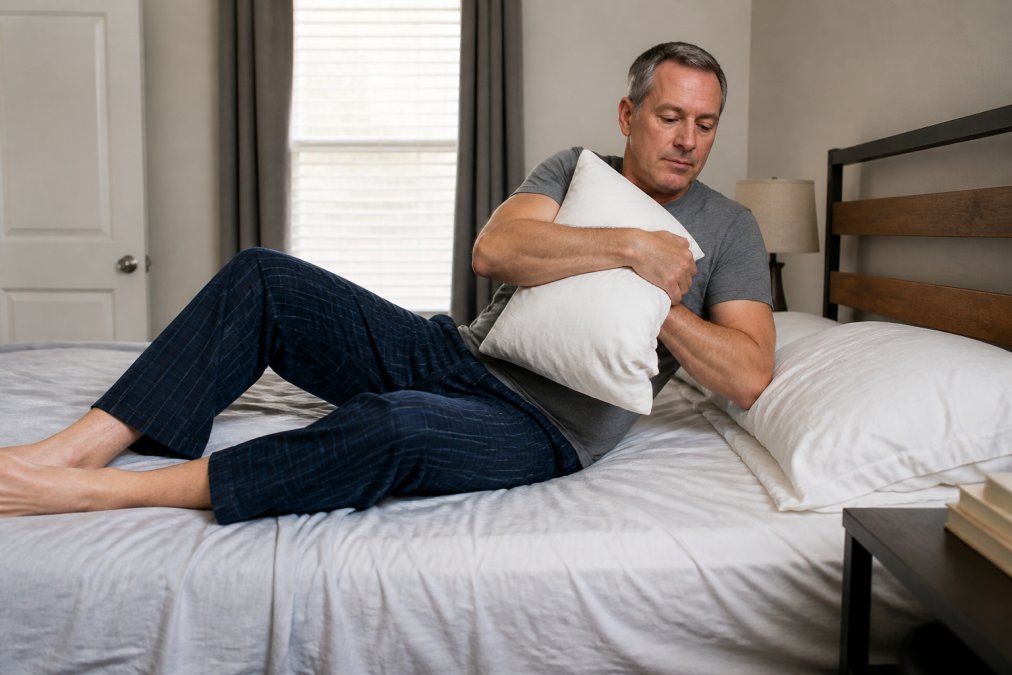
The Logroll Technique
The logroll technique keeps your spine in a neutral, straight line, avoiding any twisting or bending at the waist that would stress your sternum:
- Start on your back with your splinting pillow ready.
- Bend your knees with both feet flat on the bed.
- Roll as a unit. Imagine your entire body is a log. Roll your shoulders, hips, and legs together toward the side of the bed you want to exit from.
- Push with your legs. Use your leg muscles to help propel you.
- Swing your legs off the bed while pushing your upper body upright using your arms.
- Sit upright slowly on the edge of the bed before standing.
The entire process should feel controlled and deliberate, taking 30-60 seconds during the first few weeks.
Using Your Splinting Pillow
Your splinting pillow provides gentle support to your incision and reminds you not to move carelessly. Hold it against your chest whenever you're changing positions, coughing, sneezing, or laughing. The pillow absorbs some of the force from these movements, reducing stress on your sternum.
Activities to Avoid After Sternotomy
Lifting anything heavier than 5-10 pounds is prohibited for at least 6-8 weeks. This includes grocery bags, laundry baskets, children, and pets. Lifting engages your core and chest muscles in ways that pull on your sternum.
Pushing and pulling movements are similarly restricted, vacuuming, opening heavy doors, pushing shopping carts, or pushing yourself up from a chair. These create unilateral stress that can cause sternal shifting.
Overhead reaching should be avoided. Reaching above shoulder height engages your chest wall and can create sternal instability.
Driving is typically restricted for 4-6 weeks (heart.org). Driving requires sudden movements and quick reactions your healing sternum can't handle safely.
Twisting and bending at the waist should be minimized. When you need to pick something up, use the logroll technique or squat down rather than bending forward.
Sexual activity is typically restricted for 4-6 weeks. Talk openly with your surgeon about when it's safe to resume.
Strenuous exercise, including running, cycling, and high-impact activities, is off-limits during the sternal precautions period. Walking at a comfortable pace where you can hold a conversation is appropriate.
Daily Activities: What You Can and Cannot Do
Getting Dressed Safely
Dressing yourself is possible with the right approach. Button-front shirts and loose pants are ideal during early recovery. Sit down before dressing, never stand on one leg trying to pull on pants. For shirts, button from the bottom up rather than reaching over your head. Many people find it easier to wear button-front pajamas or robes all day during the first 2-3 weeks.
Bathing and Incision Care
Showers are preferable to baths during early recovery. Use antibacterial soap and warm water to gently clean your incision, then pat dry with a clean towel. Keep your incision dry and exposed to air when possible. Watch for signs of infection: increasing redness, warmth, drainage, or foul odor. Avoid submerging your incision in bathwater, swimming, and hot tubs until your surgeon clears you.
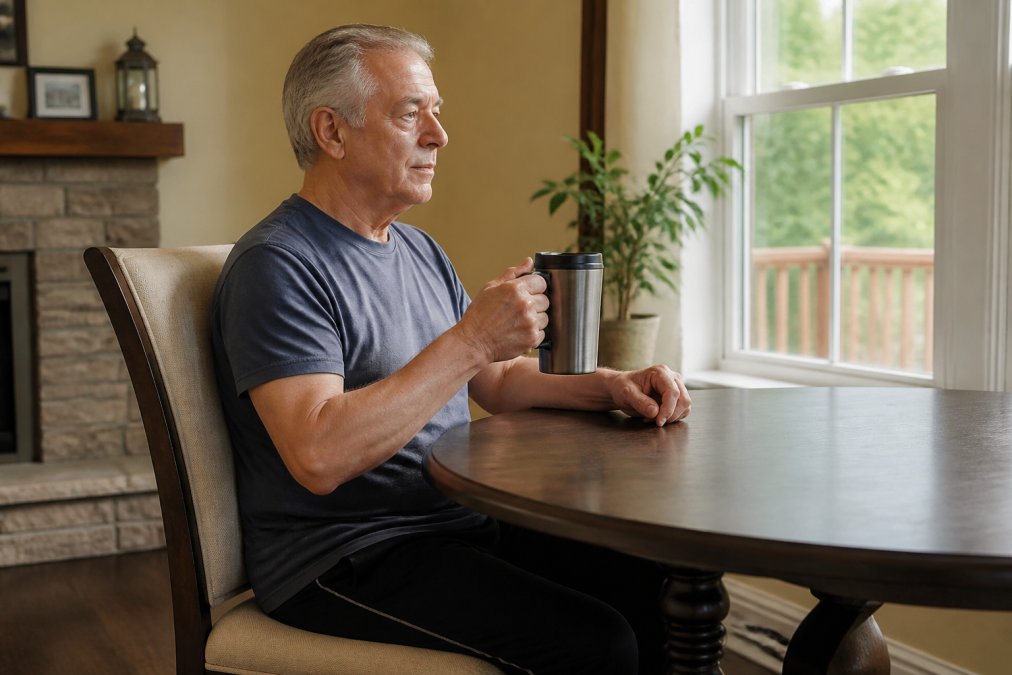
Managing Coughing and Deep Breathing
Coughing and deep breathing are actually encouraged during recovery, they prevent pneumonia and keep your lungs healthy. When you feel a cough coming, grab your splinting pillow and hold it firmly against your chest. The pillow absorbs the force of the cough, protecting your sternum.
Deep breathing exercises are part of your recovery protocol. Your respiratory therapist will teach you specific techniques, often involving an incentive spirometer. Do them regularly as instructed, always with your splinting pillow ready.
Recognizing Signs of Sternal Instability
Sternal clicking is the most common sign, a clicking, popping, or cracking sensation in your chest when you move or change position. This suggests movement at the sternal wires.
Increased pain or new chest pain that's different from your normal post-operative discomfort warrants immediate attention. Post-operative pain typically improves week to week.
Visible swelling or puffiness around your incision that increases rather than decreases over time suggests a problem.
Warmth, redness, or drainage from your incision indicates possible infection. Any drainage should be clear or slightly pink, not thick, discolored, or foul-smelling.
Difficulty breathing or increased shortness of breath beyond normal post-operative recovery needs evaluation.
Fever over 101°F suggests infection (the CDC).
If you experience any of these signs, don't wait for your next scheduled appointment. Call your surgeon's office immediately or go to the emergency room if symptoms are severe.
The Emotional Side of Sternal Precautions
The physical restrictions of sternal precautions are challenging, but the emotional weight is often underestimated. You've just survived major surgery, and now you're being told you can't do basic things. This creates frustration, anxiety, or even depression. These feelings are completely valid.
Sternal precautions represent a temporary loss of autonomy in service of long-term health. Connecting with others who've walked this path, who understand the specific frustration of needing help getting dressed, changes everything. You realize you're not weak or dramatic, you're healing.
Transitioning Out of Precautions and Returning to Normal Movement
Around week 6-8, your surgeon will likely begin clearing you to gradually increase activity. This transition requires careful planning, returning to normal movement too quickly risks undoing weeks of healing.
Week 6-8: Most people can begin walking longer distances, perhaps 15-20 minutes at a comfortable pace, and start light stretching or range of motion exercises under guidance.
Week 8-12: You might progress to light resistance exercises, modified yoga, or swimming. Overhead reaching becomes more acceptable, though still cautious.
Week 12+: Most people can return to normal movement, including driving, lifting, and exercise, though always with awareness of your body.
Physical therapy becomes increasingly important during this transition. Your therapist helps you rebuild strength, restore range of motion, and rebuild confidence in your body. Cardiovascular rehabilitation programs are often recommended during this phase, providing education, monitored exercise, and peer support.
The transition out of sternal precautions is psychological as well as physical. You're reclaiming your independence, your strength, and your identity as someone who can move freely. Honor this. Celebrate small milestones. Remember that setbacks are normal.
Navigating sternal precautions safely requires understanding why each restriction exists, following specific techniques for daily activities, and recognizing warning signs early. It also requires emotional support and community. Your recovery isn't just about your sternum healing; it's about your whole self healing together.
Restriction |
Reason |
Duration |
Progression |
|---|---|---|---|
Lifting over 5-10 lbs |
Engages core and stresses sternum |
6-8 weeks |
Gradually increase weight by week 10-12 |
Pushing/pulling movements |
Creates unilateral stress on sternum |
6-8 weeks |
Resume cautiously around week 8 |
Overhead reaching |
Engages chest wall and destabilizes sternum |
6-8 weeks |
Gradually increase range of motion week 8+ |
Driving |
Requires sudden movements and bracing |
4-6 weeks |
Resume when pain-free and off narcotics |
Twisting at waist |
Creates rotational stress on sternum |
6-8 weeks |
Increase flexibility gradually with physical therapy |
Strenuous exercise |
High impact stresses healing bone |
6-8 weeks |
Progress to light exercise week 8, moderate week 12 |
Frequently Asked Questions
How long do I need to follow sternal precautions?
Most patients follow sternal precautions for 6 to 8 weeks after open-heart surgery, though some may extend this period to 12 weeks depending on their healing progress. Your cardiologist will provide specific guidance based on your sternotomy recovery. During this time, your sternum is healing from the surgical incision, and precautions prevent complications like sternal instability. After your surgeon clears you, you can gradually return to normal activities under their supervision.
What is the safest way to get out of bed with sternal precautions?
Use the logroll technique: roll onto your side, support your chest with a splinting pillow, and push yourself up with your arms while swinging your legs off the bed. Never pull yourself up using your arms alone or twist your torso. Keep your sternum stable throughout the movement by hugging the pillow to your chest. This method protects your healing incision and prevents sternal clicking or shifting.
What activities should I avoid after sternotomy?
Avoid lifting anything heavier than 10 pounds, pushing or pulling heavy objects, driving (typically for 4-6 weeks), strenuous exercise, overhead reaching, and twisting or bending at the waist. Do not perform bilateral arm movements or activities that strain your chest. These restrictions prevent stress on your sternum while it heals. Your physical therapist will help you understand which movements are safe as you progress through recovery.
How do I know if my sternum isn't healing properly?
Watch for signs of sternal instability such as clicking or popping sensations in your chest, increased pain at the incision site, swelling around the sternum, visible separation at the incision, or drainage from the wound. Other warning signs include fever, redness, warmth, or signs of sternal wound infection. Contact your surgeon immediately if you notice any of these symptoms. Early detection of complications like sternal instability can prevent serious complications and support proper healing.


