

Last Updated: November 10, 2026
Quick Summary
Gentle physical activities for heart surgery patients include short daily walks, seated arm and shoulder movements, sit-to-stand exercises, low-impact aerobic moves, and breathing exercises. Start slowly, keep effort low, and check every new activity with your cardiologist or cardiac rehabilitation team first.
- Start with a few minutes of walking at a comfortable pace, several times a day.
- Keep intensity low enough that you can still hold a conversation.
- Stop and rest if you notice chest pain, dizziness, or breathlessness that does not settle.
- Ask your surgical team which upper-body motions and weight limits apply during healing.
- Keep a weekly activity log to track progress and share it at follow-up appointments.
Table of Contents
- Why Gentle Physical Activity Matters After Heart Surgery
- 1. Short Daily Walks to Start Your Recovery
- 2. Seated Upper-Body Mobility and Range-of-Motion Moves
- 3. Sit-to-Stand and Light Lower-Body Strengthening
- 4. Low-Impact Aerobic Options at Home
- 5. Breathing Exercises That Support Your Daily Routine
- 6. Managing Anxiety and Low Mood While You Get Moving
- 7. Warning Signs That You Are Overdoing It
- 8. Adapting Activities for Mobility Limits and Sternotomy Precautions
- 9. Building a Simple Weekly Activity Log
- Frequently Asked Questions
Gentle physical activities for heart surgery patients are one of the most useful tools in early recovery, yet many patients are unsure what is safe to do and when. The Zipper was founded by Steve Rucinski, a heart surgery survivor, and our community exists to help patients and families work through exactly this question. Below, we walk through nine gentle options, what each one does, and how to start without overdoing it.
Always check any new activity with your cardiologist or cardiac rehabilitation team before you begin, especially in the first weeks after surgery.
Why Gentle Physical Activity Matters After Heart Surgery
Movement is one of the first things most surgical teams encourage, because staying still for long periods carries its own risks. Gentle activity helps circulation, lung function and mood, and it helps patients regain confidence in their bodies.
The goal in early recovery is not fitness. It is steady, low-stress movement that builds over time.
1. Short Daily Walks to Start Your Recovery
Walking is the most common starting point, and for good reason. If fear of moving again is holding you back, learn how to start safely and rebuild confidence. It requires no equipment, it can be adjusted to almost any energy level, and it gives you a clear way to measure progress.
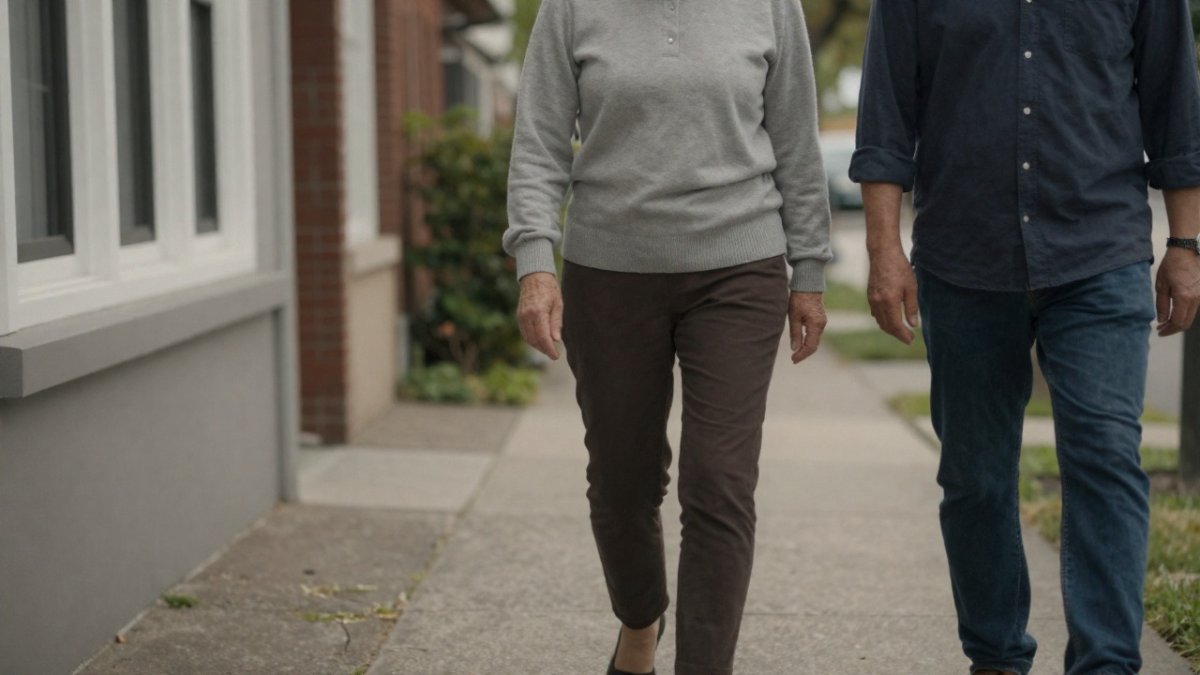
Start with a few minutes at a comfortable pace, several times a day, rather than one long walk. Stop if you feel chest discomfort, unusual breathlessness, dizziness or pain. A simple log of minutes walked can help you see improvement week by week.
2. Seated Upper-Body Mobility and Range-of-Motion Moves
Gentle shoulder and arm movements keep the upper body flexible while you heal. These are usually done seated, in a chair with back support, and they should never strain the breastbone area.
Simple options include slow shoulder circles, gentle arm raises within a comfortable range, and seated neck rolls. Move slowly, avoid holding your breath, and follow the specific upper-body limits your surgical team gave you. Your sternum needs time to heal, so pushing or pulling with the arms should wait until you have clearance.
3. Sit-to-Stand and Light Lower-Body Strengthening
Standing up from a chair is a practical exercise that builds leg strength and supports everyday tasks like getting out of bed or a car. Start with a sturdy chair and use your hands for support if needed.
Lower-body work can progress gradually to include heel raises and seated leg extensions. A common approach is to add one repetition or a few extra seconds each week, but only if you feel no unusual symptoms. If standing feels unsteady, a physical therapist can suggest safer modifications.
4. Low-Impact Aerobic Options at Home
Low-impact aerobic activity raises your heart rate gently without jarring the joints. Options that many patients use at home include marching in place, step touches, slow dancing, and seated cycling or stationary bike work where a clinician has approved it.
Keep the intensity at a level where you can still hold a conversation (the CDC). If you cannot talk comfortably, slow down. Cardiac rehabilitation programs often build these exercises into a structured plan, which is worth asking about if you have access to one.
5. Breathing Exercises That Support Your Daily Routine
Breathing exercises are easy to overlook, but they support lung function and help you relax during activity. Slow diaphragmatic breathing, where you breathe into your belly rather than your chest, is a common starting point.
Pair breathing with movement. Inhale as you prepare for a motion and exhale as you complete it. This habit helps prevent the breath-holding that can raise blood pressure during exertion.
6. Managing Anxiety and Low Mood While You Get Moving
Many patients feel anxious about moving again, and that fear can make them avoid activity altogether. See how to manage post-operative anxiety and depression together. Some also experience low mood after surgery, which can make the effort feel harder than it should.
Set small, specific goals so that each day feels achievable. Talk with your care team if anxiety or low mood persists, since support is available and treatable. Read a deeper guide to managing anxiety after heart surgery. Connecting with other heart surgery patients, through the community at The Zipper or elsewhere, may also help the recovery feel less lonely.
7. Warning Signs That You Are Overdoing It
Knowing when to stop is as important as knowing what to do. Stop the activity and rest if you notice chest pain or pressure, shortness of breath that does not settle, dizziness, unusual fatigue, swelling, or a racing or irregular heartbeat.
If symptoms do not settle with rest, or if they are severe, seek medical care promptly. Do not wait to see whether they pass on their own.
The article lists the warning signs that mean you should stop and rest, and when to seek care.
| Sign | What to do | Note |
|---|---|---|
| Chest pain or pressure | Stop and rest | Seek medical care if it does not settle |
| Breathlessness that does not settle | Stop and rest | Seek medical care if it does not settle |
| Dizziness | Stop and rest | Seek medical care if it does not settle |
| Unusual fatigue | Stop and rest | Seek medical care if it does not settle |
| Swelling | Stop and rest | Seek medical care if it does not settle |
| Racing or irregular heartbeat | Stop and rest | Seek medical care if it does not settle |
8. Adapting Activities for Mobility Limits and Sternotomy Precautions
Not every patient can perform every exercise, and that is normal. After open-heart surgery through a sternotomy, the breastbone is divided and wired or otherwise repaired, and the surgical team usually sets specific limits on pushing, pulling and lifting while it heals. Those limits vary by surgeon and by patient, so treat the guidance below as a framework for asking the right questions rather than a fixed rulebook. Plan how to progress strength work after the early phase.
A useful way to think about upper-body movement is to separate arm motion from load. Gentle, unloaded movement such as lifting your hands toward your shoulders while seated usually comes before any work that transfers force through the chest, such as pushing a door, pulling yourself up from a bed, or lifting a laundry basket. Ask your team to name the specific motions you should avoid, the weight limit they recommend, and roughly how long each restriction will last. Write those answers down and revisit them at each follow-up.
For balance problems, joint pain or limited stamina, adapt the activity rather than skipping it. A seated version of a movement keeps the intent while removing the balance demand. If you usually stand at a counter to stretch your arms, you can do the same motions from a sturdy chair with a back. If standing feels unsteady, a supported standing option works well: stand with one hand on a firm surface, such as a kitchen counter, and keep the other hand free.
For chest protection, a firm pillow held against the chest can help when you cough, sneeze, laugh or stand up from a seated position.
Watch out: if an adaptation makes an exercise feel easier by letting you hold your breath or strain, stop and return to a simpler version rather than pushing through the effort.
Keep a short list of the movements that feel hardest and bring it to your cardiac rehabilitation sessions. A physical therapist can often suggest a modification that keeps you active without stressing the incision or the joints.
9. Building a Simple Weekly Activity Log
A written log turns general advice into a plan you can follow and a record your care team can use. The most useful logs are simple enough to fill in on a busy day and specific enough to show a pattern over several weeks.
For each activity session, record five things: the date, the activity (for example, a short walk or seated arm circles), the number of minutes or repetitions, how hard it felt on a simple scale of 0 to 10 where 0 is no effort and 10 is the hardest you have ever worked, and any symptoms during or after. Symptoms include chest discomfort, unusual breathlessness, dizziness, palpitations, or any change around the incision. Note the time of day as well, since many patients notice that mornings or afternoons feel different.
A sample progression might look like this across the first few weeks, with your team confirming each step: start with three short walks of five minutes each on most days, with a rest between them; if those feel comfortable and symptom-free for several days, add one minute to a single walk; keep the perceived effort low, around 3 to 4 on that 0 to 10 scale; and move to the next stage only after your team agrees. Increasing too quickly is the most common reason patients set themselves back, so the log is most valuable when it shows you that a step is not yet ready.
When you review the log each week, look for three things: whether the same activity feels easier over time at the same duration, whether any symptom appears on more than one day, and whether your energy dips on particular days. Bring the log to every appointment, and let your team decide when to change the plan.
Watch out: do not use the log to push through symptoms to hit a target. A day with a symptom should be recorded as a stop day, and the symptom should be reported to your care team.
Frequently Asked Questions
What are the safest physical activities during the first weeks of heart surgery recovery?
The safest starting activities are short, slow walks around the home, seated arm and shoulder mobility moves, and gentle sit-to-stand practice. These keep you moving without strain on the chest or heart. Keep sessions brief, rest between them, and increase only when your surgical team confirms it is appropriate. Avoid lifting, pushing or twisting motions that load the breastbone until you have been cleared for them.
When is it safe to start walking outside after open heart surgery?
Most patients begin with indoor walking and move outdoors once they can walk comfortably for several minutes without chest discomfort, breathlessness or dizziness. Timing depends on your surgeon's instructions and your recovery pace. Choose flat routes, bring someone with you, and carry a phone. Stop and rest if you feel unusual tiredness, and check with your care team before walking in heat or cold.
What signs indicate I am overexerting myself after heart surgery?
Stop activity and rest if you notice chest pain or pressure, shortness of breath that does not settle within a few minutes of rest, dizziness, a racing or irregular heartbeat, or unusual swelling. Confusion, nausea or sudden weakness also need prompt attention. Mild muscle fatigue is normal, but any symptom that persists or worsens should be reported to your cardiologist or emergency services right away.


