

Table of Contents
- Why Your Diet After Surgery Matters More Than You Think
- Protein Requirements for Surgical Recovery: The Building Block of Healing
- Foods That Speed Up Wound Healing: What to Put on Your Plate
- Hydration After Surgery: Why Every Cell Needs Water
- How to Manage Constipation After Surgery Through Diet
- Foods to Avoid After Surgery: What Slows Your Recovery
- Post-Surgery Meal Plan for Heart Patients: A Phase-by-Phase Approach
- Medication and Diet Interactions You Need to Know
- Meal Prep and Logistics When You Have Limited Mobility
- Supplements vs. Whole Foods: What Actually Helps Recovery
- How to Adjust Your Diet for Different Surgery Types
- Practical Tools to Stay on Track with Your Recovery Diet
- Conclusion: Small Bites, Big Progress
- Frequently Asked Questions
Last Updated: September 25, 2026
Why Your Diet After Surgery Matters More Than You Think
The best diet after surgery is one built around lean protein, hydration, fiber, and nutrient-dense whole foods, adjusted to the phase of your recovery. This guide from The Zipper breaks that down into a plan you can actually follow, because what you eat in the weeks after an operation shapes how quickly tissue repairs, how well your immune system holds up, and how much energy you have for rehabilitation.
Protein Requirements for Surgical Recovery: The Building Block of Healing
Protein requirements for surgical recovery are higher than most people expect, and they stay elevated for weeks after the operation. Surgery triggers a stress response that breaks down muscle tissue, and protein synthesis has to outpace that breakdown for wounds to close and strength to return.
How Much Protein Do You Actually Need?
Many dietitians who work with surgical patients suggest aiming for roughly 1.2 to 2.0 grams of protein per kilogram of body weight per day during active recovery, though your own surgical team's guidance takes priority over any general figure. For a 70-kilogram adult, that's a meaningful jump from the typical daily intake.
Best Protein Sources for Easy Digestion
Not all protein sits well after anesthesia and pain medication, which slow the gastrointestinal tract. The best sources are lean, soft, and low in added fat:
- Eggs, scrambled soft or poached
- Greek yogurt and cottage cheese
- Skinless chicken or turkey, shredded or ground
- Flaky white fish, baked or steamed
- Tofu and well-cooked lentils
- Protein powder blended into a smoothie if chewing is tiring
Foods That Speed Up Wound Healing: What to Put on Your Plate
Foods that speed up wound healing share a common profile: they're nutrient-dense, anti-inflammatory, and rich in the specific micronutrients your body uses to rebuild tissue. There's no single magic food, but there is a pattern.
Key Vitamins and Minerals for Tissue Repair
Vitamin C, zinc, and omega-3 fatty acids do most of the heavy lifting. Vitamin C supports collagen formation, the scaffolding of new skin and blood vessels. Zinc contributes to protein synthesis and immune system support. Omega-3 fatty acids help moderate inflammation, which matters because too much inflammation slows healing rather than helping it.
Where to find them:
| Nutrient | Role in Recovery | Food Sources |
|---|---|---|
| Vitamin C | Collagen formation, immune support | Citrus, bell peppers, strawberries, broccoli |
| Zinc | Protein synthesis, wound closure | Beef, pumpkin seeds, chickpeas, fortified cereal |
| Omega-3s | Inflammation reduction | Salmon, sardines, walnuts, flaxseed |
| Vitamin A | Tissue regeneration | Carrots, sweet potato, spinach, eggs |
| Iron | Blood cell production | Lentils, spinach, lean meat, fortified oats |
Hydration After Surgery: Why Every Cell Needs Water
Hydration after surgery is not optional maintenance. It's active recovery work. Fluids carry nutrients to healing tissue, help your kidneys clear anesthesia byproducts and medication metabolites, keep your blood pressure stable, and prevent the constipation that plagues so many patients.
How to Manage Constipation After Surgery Through Diet
How to manage constipation after surgery through diet comes down to three levers: fiber, fluids, and movement. Anesthesia recovery slows the bowel, opioid pain medication slows it further, and a sudden drop in activity makes everything worse. Diet can fix a lot of that, but it works best when you address all three at once.
Fiber-Rich Foods That Won't Upset Your Stomach
The trick is adding fiber gradually. Loading up on raw vegetables and bran the day after surgery will leave you bloated and gassy. Start with gentler sources and build:
- Cooked oatmeal with a spoonful of ground flaxseed
- Stewed prunes or prune juice
- Peeled applesauce
- Cooked carrots, squash, and green beans
- Whole grains like quinoa and brown rice, once you're tolerating solids
- Beans and lentils in small portions, introduced slowly
Foods to Avoid After Surgery: What Slows Your Recovery
Foods to avoid after surgery fall into two categories: foods that slow healing on their own, and foods that become risky because of the medications you are taking. Most recovery guides cover only the first category. The second is where the real danger hides, and it is the part worth reading twice.
Foods That Slow Healing on Their Own
None of these are permanent bans. Think of this as a temporary list tied to your recovery window, not a lifetime of deprivation.
- Fried and greasy foods. Fat slows gastric emptying, which is already sluggish after anesthesia and opioid pain medication. The result is nausea, bloating, and a longer return to normal eating.
- Heavy cream sauces and full-fat dairy. These can trigger gastrointestinal distress in the first two weeks, especially if you are lactose-sensitive and did not know it before surgery.
- Spicy dishes. Not dangerous, but they can aggravate reflux, which many pain medications worsen.
- Alcohol. It dehydrates, thins the blood, and interacts with opioids, benzodiazepines, and several antibiotics. Most surgical teams ask patients to avoid it entirely during the first month.
- Excess added sugar. High intake drives inflammation and displaces the protein and micronutrients you actually need. It is not toxic, just unhelpful.
- Large amounts of caffeine. Caffeine worsens dehydration and disturbs sleep, and sleep is when most tissue repair happens.
- Raw or undercooked meat, eggs, and unpasteurized dairy. Your immune defenses are lower right now, so foodborne illness carries more risk than usual.
Foods That Interact With Post-Operative Medications
The practical move is simple: keep a written list of every medication and supplement you take, and review it against your diet at your next appointment. Pharmacists are trained for exactly this and are often more accessible than your surgeon.
Post-Surgery Meal Plan for Heart Patients: A Phase-by-Phase Approach
A post-surgery meal plan for heart patients works best when it matches your body's actual capacity at each stage. Pushing solid food too early causes nausea and setbacks. Staying on liquids too long costs you protein and muscle. Here's how the recovery timeline typically unfolds.
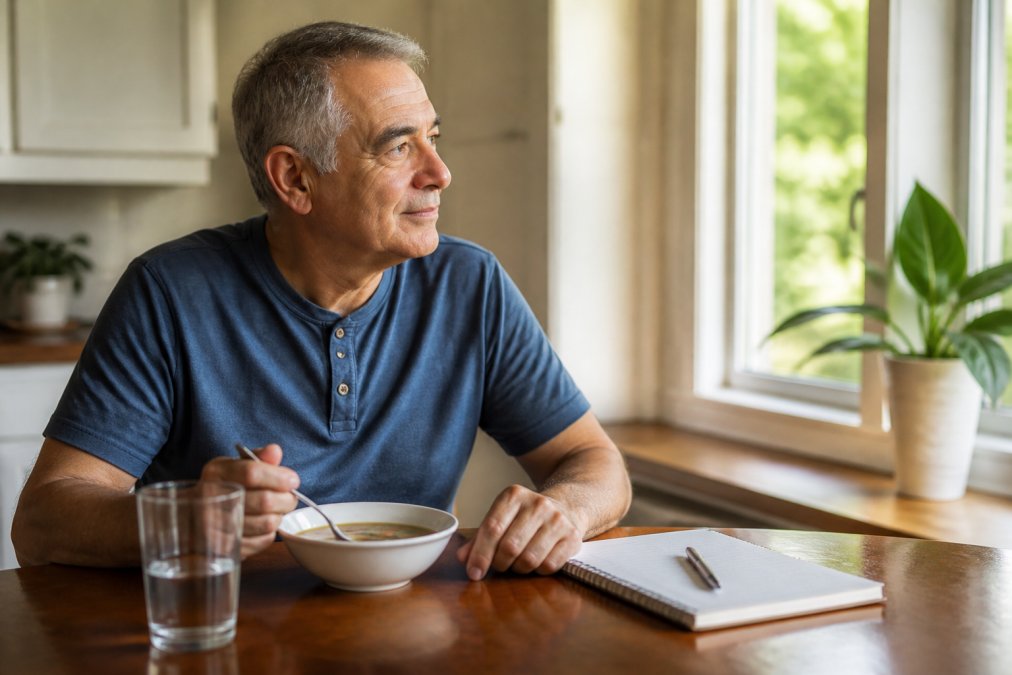
Week 1: Liquid and Soft Foods
The first week is about hydration, gentle nutrition, and not overwhelming a digestive system still waking up from anesthesia. A bland diet is your friend here.
- Broth-based soups and clear broths
- Smoothies with protein powder and yogurt
- Applesauce, pudding, and gelatin
- Scrambled eggs and soft-cooked oatmeal
- Mashed potatoes thinned with milk or broth
Weeks 2-4: Adding Solid Foods Gradually
This is where protein intake needs to climb. Add soft solids one at a time so you can tell what your gut tolerates.
- Shredded chicken and flaky fish
- Well-cooked vegetables, no longer raw
- Soft fruits like bananas and canned peaches in juice
- Whole grains in modest portions
- Beans and lentils, introduced slowly for fiber
Month 2 and Beyond: Building Long-Term Habits
By the second month, most patients can eat a fairly normal diet with a few permanent adjustments. Lean protein at every meal, a steady fiber intake, limited sodium, and minimal processed food become the baseline rather than a temporary rule.
Medication and Diet Interactions You Need to Know
Medication and diet interactions are the most overlooked part of post-operative nutrition, and they're the reason generic diet advice can be genuinely unsafe after heart surgery. Your prescriptions change how your body handles food, and food changes how your body handles your prescriptions.
A few patterns worth knowing:
- Blood thinners and vitamin K. Leafy greens are excellent for you, but a sudden spike or drop in vitamin K intake can destabilize your INR if you take warfarin. Consistency matters more than avoidance.
- Diuretics and potassium. Some diuretics flush potassium; others retain it. Bananas, potatoes, and oranges are either helpful or harmful depending on which one you take.
- Beta blockers and appetite. These can dampen appetite and slow digestion, which makes small frequent meals more practical than three large ones.
- Statins and grapefruit. As noted above, this combination can raise drug levels in your blood.
- Opioid pain relievers and fiber. Opioids cause constipation, so fiber and fluids need to increase alongside them, not after.
Meal Prep and Logistics When You Have Limited Mobility
Meal prep and logistics are where most recovery diet plans collapse. It's easy to write a list of healthy foods. It's much harder to chop vegetables when you can't lift more than a few pounds or stand for more than ten minutes.
Before surgery, if you have time:
- Batch-cook and freeze single portions of soup, stew, and shredded chicken
- Stock up on frozen vegetables and pre-cut fruit
- Buy shelf-stable protein options like canned tuna, nut butter, and protein powder
- Clear a low shelf in the fridge so you're not reaching overhead
After surgery, lean on your support network:
- Ask one person to own grocery runs for the first two weeks
- Keep a running list on the fridge so anyone can add to it
- Accept every offer of a prepared meal, and specify "soft, low-sodium, high-protein" when asked
- Set up a small station near where you spend the day: water, snacks, medications, phone
Supplements vs. Whole Foods: What Actually Helps Recovery
Supplements versus whole foods is a debate worth settling with a clear framework rather than a slogan. The honest answer is that whole foods come first, supplements fill specific gaps, and the gaps worth filling are narrower than the supplement aisle suggests.
Why Whole Foods Come First
Whole foods deliver vitamins and minerals packaged with fiber, protein, healthy fats, and hundreds of compounds that no pill replicates. A salmon fillet gives you omega-3s, protein, vitamin D, selenium, and B vitamins together, in a form your body evolved to absorb. A fish oil capsule gives you two of those. That is not an argument against supplements. It is an argument for using them as targeted tools rather than a blanket insurance policy.
When a Supplement Actually Makes Sense
A supplement earns its place when it solves a specific, identifiable problem that food alone cannot. The common cases after surgery:
- Protein powder. If chewing is painful, appetite is suppressed, or you simply cannot eat enough solid protein to hit your target, a protein shake is a practical bridge. Whey and plant-based blends both work. Look for one with at least 20 grams of protein per scoop and minimal added sugar.
- Vitamin D. If you are indoors during recovery and sunlight exposure is limited, a daily vitamin D supplement is reasonable. Many surgical teams check blood levels before recommending a dose.
- Iron. Only if blood work shows deficiency. Iron supplements cause constipation, which is the last thing you need on top of opioid-related constipation, so this should be a lab-driven decision, not a guess.
- Fiber supplement. If constipation persists despite dietary fiber and fluids, a psyllium or methylcellulose supplement can help. Introduce it slowly and pair it with plenty of water.
- Multivitamin. A basic multivitamin is low-risk for most people and can cover small gaps during weeks when eating is hard. It is not a substitute for food.
What Does Not Help
A few categories are worth naming so you can skip them:
- Megadoses of vitamin C. The body absorbs only so much at once and excretes the rest. High doses can cause diarrhea and stomach cramps.
- "Immune boost" blends. These usually combine vitamin C, zinc, echinacea, and a handful of other ingredients at doses too low to matter or too high to be safe. The evidence for most is weak.
- Collagen powders marketed for wound healing. The body breaks dietary collagen into amino acids and rebuilds what it needs. Eating enough total protein matters more than the source.
- Anything marketed with dramatic before-and-after claims. Recovery is not a marketing category.
The Interaction Check
The bottom line: food first, supplements as targeted gap-fillers, and a pharmacist review before anything new enters your routine.
How to Adjust Your Diet for Different Surgery Types
Dietary adjustments for specific surgery types matter because recovery demands differ. A heart surgery patient has different priorities than someone recovering from abdominal surgery, and a joint replacement has its own considerations.
Practical Tools to Stay on Track with Your Recovery Diet
Staying on track comes down to removing friction. The easier it is to eat well, the more likely you are to do it on a day when you're tired, sore, and discouraged.
A few tools that earn their place:
- A marked water bottle so hydration isn't guesswork. The Stainless steel water bottle from The Zipper keeps drinks cold for hours and fits in a car cup holder for follow-up appointments.
- A travel mug for warm broth or tea on the go. The Travel mug with a handle holds 25 ounces, has a spill-proof lid, and fits most cup holders. Always open the lid before adding a hot drink to prevent steam pressure buildup.
- A simple mug for portion-controlled hot drinks. The White glossy mug is dishwasher and microwave safe, lead and BPA-free, and comes in three sizes.
- A nutrition tracker so you can see patterns rather than guess. The Zipper's recovery nutrition tracker was built for exactly this stage, and it's designed to take under a minute a day.
Conclusion: Small Bites, Big Progress
Recovery nutrition feels overwhelming when you look at the whole picture at once. It stops feeling that way when you break it into one meal, one glass of water, one gram of protein at a time.


Frequently Asked Questions
What is the most important food to eat after surgery?
Protein-rich foods top the list for most surgeons and dietitians. Lean meats, poultry, fish, eggs, dairy, beans, and tofu give your body the amino acids it needs for tissue repair and wound healing. Aim for 1.2 to 2.0 grams of protein per kilogram of body weight daily, unless your doctor advises otherwise. Spread protein across all meals and snacks rather than loading up at dinner. Your body can only use so much at once, so steady intake supports continuous healing.
What foods should I avoid during the post-surgery recovery period?
Skip processed meats, fried foods, sugary drinks, and excessive salt. These can increase inflammation, raise blood pressure, and slow wound healing. Alcohol interferes with medications and dehydration risk, so avoid it entirely unless your doctor approves. Very spicy foods may irritate your stomach, especially if you are on pain medication. Carbonated drinks can cause bloating and discomfort. If you had heart surgery, limit saturated fats and trans fats to protect your cardiovascular system while it recovers.
How does hydration impact recovery after heart surgery?
Water helps your kidneys flush out anesthesia and medication byproducts, keeps your blood flowing smoothly, and prevents constipation, a common post-surgery problem. Dehydration can make you feel dizzy, tired, and confused, which slows your rehabilitation. Most heart surgery patients need to balance fluid intake carefully because too much fluid can strain the heart. Follow your care team's specific fluid targets. A stainless steel water bottle can help you track how much you drink throughout the day.
Why is protein intake critical for post-surgical healing?
Protein provides the amino acids your body uses to build new tissue, produce blood cells, and support immune function. After surgery, your body is in a heightened state of repair and needs more protein than usual. Without enough, wound healing slows, muscles weaken, and you may feel more fatigued. Good sources include chicken, fish, Greek yogurt, cottage cheese, lentils, and eggs. If your appetite is low, try protein shakes or add unflavored protein powder to soups and smoothies.
Can a specific diet help reduce inflammation after surgery?
Yes. An anti-inflammatory diet rich in omega-3 fatty acids, vitamin C, zinc, and antioxidants can help calm post-surgical inflammation. Include fatty fish like salmon, walnuts, berries, citrus fruits, leafy greens, and turmeric. Avoid pro-inflammatory foods such as refined carbohydrates, sugary snacks, and processed oils. While some inflammation is necessary for healing, chronic or excessive inflammation can delay recovery and increase discomfort. Your diet is one of the few things you can control during this time.
Why can't you eat eggs after surgery?
Most people can eat eggs after surgery. The myth likely comes from outdated advice or specific cases where a patient has an egg allergy or is on a restrictive diet for other medical reasons. Eggs are an excellent source of high-quality protein and nutrients like choline and vitamin D, which support healing. Unless your doctor or dietitian tells you otherwise, scrambled eggs, hard-boiled eggs, or an omelet with vegetables are great recovery foods. Always follow your personal medical team's guidance.
How do I manage constipation after surgery through diet?
Increase fiber gradually with whole grains, fruits, vegetables, and legumes. Drink plenty of water, since fiber needs fluid to work. Prunes, prune juice, and warm liquids like herbal tea can stimulate bowel movements. Avoid processed foods and excessive dairy, which can be binding. If you are on iron supplements, ask your doctor about stool softeners. Walking short distances as approved by your care team also helps. If constipation persists beyond a few days, contact your doctor.


