

Table of Contents
- Understanding the Cardiac Blues After Open-Heart Surgery
- Cardiac Blues Symptoms: What to Watch For
- Why Isolation Happens After Heart Surgery
- Recovering From Heart Surgery Alone: Practical Strategies
- Support Groups for Cardiac Patients: Finding Your People
- When to Seek Professional Help for Emotional Distress
- The Role of Family and Caregiver Support
- Conclusion: Rebuilding Connection After Heart Surgery
- Frequently Asked Questions
Last Updated: September 16, 2026
Understanding the Cardiac Blues After Open-Heart Surgery
Feeling isolated after cardiac surgery is one of the most common and least discussed parts of recovery. This guide from The Zipper covers what the cardiac blues actually are, why they hit so many patients, and how to rebuild connection when your body and your social world both feel unfamiliar.
The clinical term many cardiac teams use is post-pump syndrome: a cluster of mood changes, foggy thinking, and emotional swings that follow open-heart surgery. It is not a character flaw. It is a predictable response to anesthesia, the heart-lung machine, disrupted sleep, and the sheer psychological weight of having your chest opened.
Why Post-Pump Syndrome Affects Mood
The heart-lung machine does the work of your heart and lungs during surgery, and the body reacts to that interruption. Combined with pain medication, broken sleep in a hospital bed, and the shock of a sudden cardiac event, mood regulation takes a hit. Many patients describe crying without a clear reason or snapping at people they love. That is the cardiac blues, not a personal failing.
Cardiac Blues Symptoms: What to Watch For
Cardiac blues symptoms typically cluster into four buckets: mood (tearfulness, irritability, a flat or numb feeling), sleep (trouble falling asleep, waking at 3 a.m., sleeping far more than usual), thinking (short-term memory lapses, trouble following a conversation, word-finding hiccups), and body (low appetite, fatigue that does not match your activity level, chest tightness that is not cardiac). Most patients notice the mood piece first because it is the most visible to the people around them.
The timeline matters as much as the symptoms.
Emotional Signs vs. Clinical Depression
Normal post-operative sadness tends to ease as sleep improves and mobility returns. Clinical depression lingers, deepens, and starts interfering with eating, medication routines, and cardiac rehabilitation. A practical way to tell them apart is to track three things for two weeks: sleep hours, whether you took your medications on schedule, and whether you did one thing you normally enjoy.
Cognitive Fog vs. Emotional Withdrawal
This is the distinction most guides skip. Post-pump syndrome often includes genuine cognitive changes, slower processing speed, trouble multitasking, difficulty tracking a conversation with more than two people. That is a neurological recovery curve, not an emotional one, and it typically improves over weeks to months.
Why Isolation Happens After Heart Surgery
Isolation after heart surgery rarely happens for one reason. Visitors taper off after the first two weeks, driving is off the table for a while, and cardiac rehabilitation schedules fill the calendar without filling the social void. Add fear of recurrence and a body that no longer feels trustworthy, and withdrawal becomes the default.
Recovering From Heart Surgery Alone: Practical Strategies
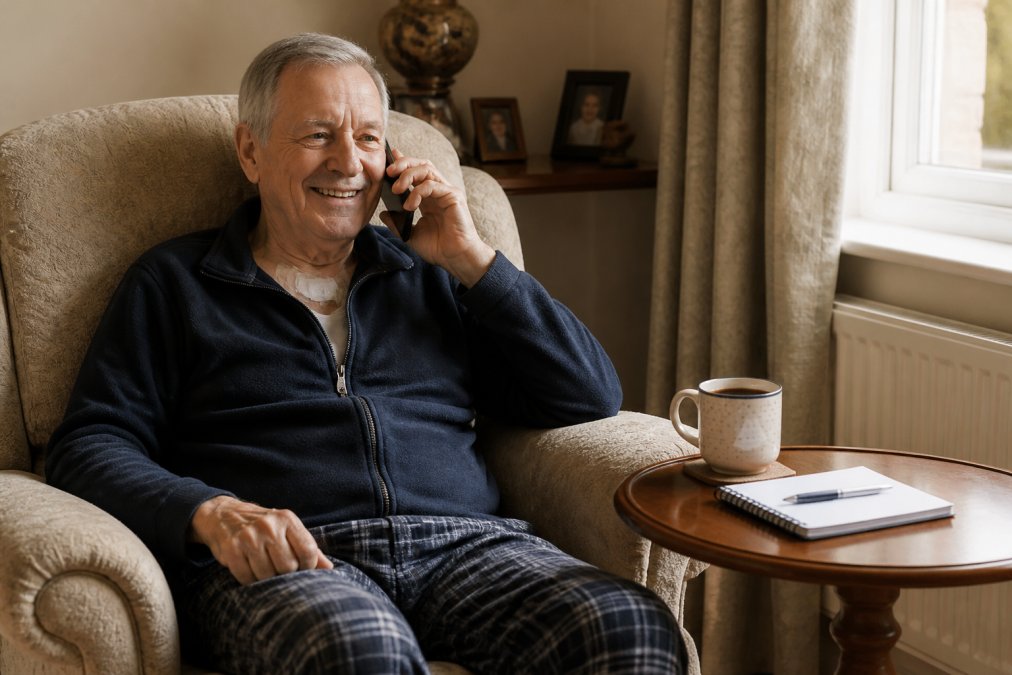
Recovering from heart surgery alone is possible with a deliberate plan. The single biggest predictor of emotional recovery is not how many people you know, it is how many you can reach on a bad day. Build that short list before you need it.
Building a Post-Discharge Transition Plan
A post-discharge transition plan is a written schedule of who checks in, when, and how, set up before you leave the hospital. It removes the guesswork from asking for help.
- Name two people who will call on a set schedule, not "when they can"
- Set one grocery or meal delivery day per week
- Book your cardiac rehabilitation intake before discharge
- Save your care team's nurse line in your phone under a name you will recognize
- Write down one activity you can do sitting down that you actually enjoy
| Problem | Practical Fix | Why It Helps |
|---|---|---|
| Visitors stop coming | Schedule recurring calls | Removes reliance on others' initiative |
| Can't drive yet | Rideshare or neighbor rotation | Preserves appointment attendance |
| Foggy thinking in groups | One-on-one conversations | Lowers cognitive load |
| Fear of exercising | Cardiac rehab supervision | Rebuilds confidence safely |
Support Groups for Cardiac Patients: Finding Your People
Support groups for cardiac patients work because shared experience removes the need to explain yourself. A peer who has also stared at their own sternal scar does not need the backstory. That shortcut to understanding is why peer support consistently outperforms generic wellness advice for this population.
Digital Tools for Social Connection
Digital tools for social connection close the gap when you cannot drive, when stamina is low, or when you simply are not a group-chat person. Video calls, moderated forums, and app-based peer communities let you choose your level of involvement. The Zipper was built by Steve Rucinski, a heart surgery survivor, specifically so patients and families could access peer connection and practical recovery tools, including a recovery nutrition tracker, without navigating the emotional side of healing alone.
When to Seek Professional Help for Emotional Distress
Seek professional help when low mood lasts more than two weeks, when you lose interest in things you normally enjoy, or when anxiety about your heart starts controlling your daily decisions. Those are the standard thresholds. But there are faster triggers that do not require waiting two weeks: thoughts of harming yourself, feeling like a burden to your family, or stopping your medications because you no longer see the point.
What Cardiac-Specific Help Actually Looks Like
Generic talk therapy is not the same as cardiac-focused therapy, and the difference matters. A therapist who works with heart patients understands that fear of recurrence is not irrational anxiety, it is a reasonable response to a real event. They know the difference between post-pump cognitive fog and depression. They can coordinate with your cardiologist on medication choices, because some antidepressants interact with common cardiac drugs like beta blockers and blood thinners.
A Script for the First Call
Most people freeze when they try to explain this to a stranger. You do not need to explain everything. A workable opener: "I had open-heart surgery on [date]. I am having trouble with mood and sleep, and my cardiologist suggested I talk to someone who works with cardiac patients." That is enough. The therapist will ask the rest.
Medication Concerns Specific to Heart Patients
If medication comes up, it is reasonable to ask your prescriber: How does this interact with my current cardiac medications? How long before I notice a difference? What should I watch for? Most SSRIs take four to six weeks to show full effect, which is longer than most patients expect. Knowing that timeline prevents the common mistake of stopping too early because "it is not working."
Cost and Access
Medicare typically covers outpatient mental health visits, and most commercial insurance plans do as well, though copays vary. If cost is a barrier, community health centers and hospital-affiliated programs often offer sliding-scale fees. Cardiac rehab programs frequently include a behavioral health component or can refer you to one, ask at your intake appointment.
The Role of Family and Caregiver Support
Family and caregiver support shapes emotional recovery, but caregivers burn out quietly. When a spouse or adult child is exhausted, the patient often stops asking for help to protect them, and isolation deepens. Naming this pattern out loud is the first fix.
Conclusion: Rebuilding Connection After Heart Surgery
The hardest part of emotional recovery is that it does not show up on a monitor, so it gets ignored until it is severe. Feeling isolated after cardiac surgery is common, treatable, and not something you have to white-knuckle through alone.
Frequently Asked Questions
How long does post-heart surgery depression last?
Post-heart surgery depression, often called the cardiac blues, typically peaks in the first few weeks after surgery and gradually improves over two to three months. For some people, emotional distress can linger longer, especially if they had depression before surgery or lack a strong support network. If symptoms persist beyond three months or interfere with daily life, talk to your doctor about screening for clinical depression and exploring professional counseling.
What are the symptoms of cardiac blues?
Cardiac blues symptoms include persistent sadness, mood swings, tearfulness, anxiety, irritability, and social withdrawal. You might also notice fatigue that goes beyond physical recovery, trouble sleeping, or loss of interest in activities you once enjoyed. These feelings are common after open-heart surgery, but if they last more than a few weeks or worsen, reach out to a healthcare provider for a depression screening.
How can I manage post-operative depression at home?
Managing post-operative depression at home starts with small, consistent actions: stick to a daily routine, get outside for short walks as cleared by your doctor, and stay connected with friends or family through calls or video chats. Limit alcohol, prioritize sleep, and consider joining a support group for cardiac patients, even online. If symptoms don't improve, ask your cardiologist about professional counseling or mental health support.
When should I seek professional help for post-surgery anxiety?
Seek professional help if anxiety or depression lasts more than two weeks, makes it hard to function, or includes thoughts of self-harm. Warning signs include panic attacks, constant worry about your heart, avoiding activities you used to enjoy, or feeling hopeless. A mental health professional can offer therapy, and in some cases medication, to help you regain emotional balance during recovery.


