

Last Updated: October 24, 2026
Quick Summary
The best heart surgery recovery foods for energy are salmon, eggs, lentils and beans, leafy greens, oatmeal and whole grains, nuts and seeds, and berries and citrus. Build each plate around lean protein, vegetables, whole grains, and healthy fats, and eat small portions more often when appetite is low.
- Serve half portions and eat three small meals plus two snacks instead of three large meals.
- Aim for 2 to 3 ounces of protein per meal, about the size of a deck of cards.
- Eat by the clock every three hours rather than waiting for hunger to return.
- Keep easy snacks like unsalted nuts within arm's reach of where you rest.
- Pair plant iron from beans with vitamin C from tomatoes or citrus for better absorption.
Table of Contents
- Why Energy Is Hard to Come By After Heart Surgery
- What to Eat After Heart Surgery: Building a Recovery Plate
- 1. Salmon: Omega-3s for Heart Health and Steady Energy
- 2. Eggs: A Simple, High-Protein Food After Surgery
- 3. Lentils and Beans: Fiber and Iron for Lasting Fuel
- 4. Leafy Greens: Vitamin C and Folate for Healing
- 5. Oatmeal and Whole Grains: Slow-Release Carbohydrates
- 6. Nuts and Seeds: Calorie-Dense Helpers for Small Appetites
- 7. Berries and Citrus: Fruit for Vitamin C and Hydration
- Easy Meals After Heart Surgery: Simple Ideas for Low-Energy Days
- Frequently Asked Questions
Why Energy Is Hard to Come By After Heart Surgery
If you are exhausted three weeks after open-heart surgery, that is not a sign you are failing. It is what recovery looks like. We hear this from nearly every member who joins The Zipper, and it is the question that comes up most: why is my energy so low when the surgery is already behind me? If you want a deeper explanation, read about why you may still feel tired after heart surgery and how to rebuild stamina safely.
Your body just did something enormous. It healed a chest incision, rebuilt blood flow, and ran on a heart-lung machine for hours. All of that costs energy, and your reserves were spent before you left the hospital.
Then there is the appetite problem. Many people eat far less than usual for the first few weeks. Some foods taste metallic or bland. Nausea is common. When you eat less, you have less fuel, and the fatigue deepens.
The good news: heart surgery recovery foods are one of the few things you can actually control right now. You cannot speed up scar tissue. You can choose what goes on your plate. Below, we break down seven foods that support healing and steady energy, plus how to build a recovery plate when you have almost no appetite.
What to Eat After Heart Surgery: Building a Recovery Plate
The best plate after heart surgery is built around lean protein, vegetables, whole grains, and healthy fats, with small portions spread across the day. That pattern supports healing, protects heart health, and keeps energy steadier than three large meals.
Think of the plate in three parts:
- Half vegetables and fruit. Leafy greens, berries, citrus, cooked carrots.
- A quarter lean protein. Fish, eggs, beans, lentils, skinless poultry.
- A quarter whole grains. Oatmeal, brown rice, whole-grain bread.
Add a small amount of healthy fat, such as olive oil or a few nuts. This mirrors a heart-healthy diet and fits general dietary guidance from the American Heart Association on eating for heart health.
Portion sizes that work when appetite is low
After discharge, many people cannot finish a full plate. That is normal. Serve half portions and eat more often. Concrete targets help:
- Protein: 2 to 3 ounces per meal (about the size of a deck of cards), or 1 egg plus a half cup of beans.
- Vegetables: 1/2 to 1 cup cooked, or a small handful of raw greens.
- Whole grains: 1/2 cup cooked oatmeal, rice, or pasta; 1 slice of whole-grain bread.
- Healthy fat: 1 teaspoon olive oil, 1 tablespoon nuts, or 1/4 avocado.
A common pattern is three small meals plus two snacks. If a full meal feels like too much, split it in half and eat the second half an hour later.
A sample day for steady energy
| Time | Meal | What It Looks Like |
|---|---|---|
| Morning | Breakfast | 1/2 cup oatmeal with 1 tablespoon nut butter and 1/2 cup berries |
| Mid-morning | Snack | 1 hard-boiled egg and a few cherry tomatoes |
| Midday | Lunch | 2 ounces canned salmon mixed with 1/4 avocado on half a whole-grain roll |
| Afternoon | Snack | Small handful of unsalted almonds and a clementine |
| Evening | Dinner | 1/2 cup lentil soup with 1/2 cup cooked spinach and 1/2 cup brown rice |
This is a template, not a prescription. Adjust portions to what you can tolerate, and ask your care team about any clinician-directed limits on sodium, fluid, potassium, or protein.
When appetite is low
Fatigue and a dull appetite often go together in the first few weeks. A few habits help:
- Eat by the clock, not by hunger. Set a reminder every three hours.
- Keep easy snacks within arm's reach of where you rest.
- Choose soft, cool, or bland foods on days when taste is off.
- Drink fluids between meals rather than with them, so you do not fill up on liquid.
- Accept help with prep. Standing at a stove still counts as work.
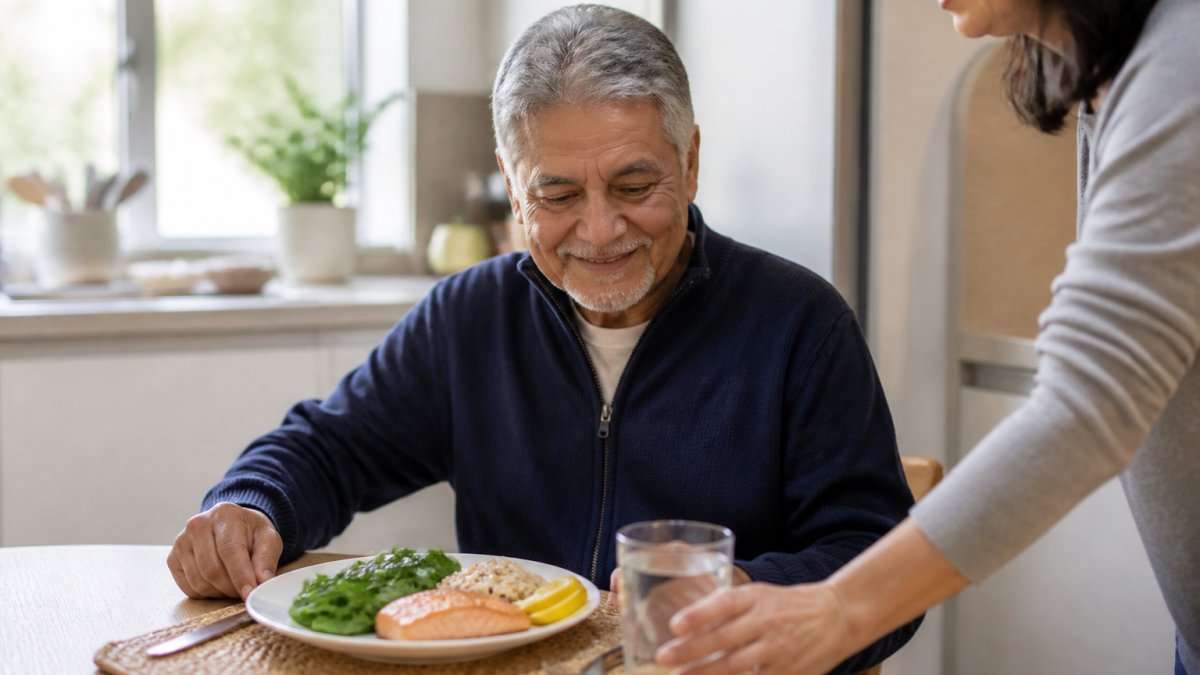
If eating feels like a chore right now, our guide on how to manage low appetite after heart surgery covers smaller, more frequent meals in detail.
1. Salmon: Omega-3s for Heart Health and Steady Energy
Salmon earns the top spot because it does two jobs at once. It delivers lean protein for healing and omega-3 fatty acids that support heart health. It is also soft and easy to eat, which matters when chewing feels tiring.
A serving about the size of your palm is plenty. Bake or poach it rather than fry it. Canned salmon works just as well and costs less.
- Protein: supports tissue repair and helps you feel full longer
- Omega-3 fatty acids: linked to heart health in guidance from the National Institutes of Health
- Texture: soft, easy to swallow on low-energy days
If fish is not appealing right now, try it flaked into a soup or mixed with a little olive oil and mashed avocado.
2. Eggs: A Simple, High-Protein Food After Surgery
Eggs are one of the easiest high-protein foods after surgery. One egg gives you about six grams of protein, and you can cook it in five minutes with one hand. That matters when standing at a stove still feels like work.
Scrambled or soft-boiled eggs go down easily. Hard-boiled eggs keep in the fridge for days, so a caregiver can prep a batch on Sunday and you have breakfast handled all week.
Eggs also carry vitamin D and B12, both useful during healing. The old warning about eggs and cholesterol has softened over the years; most people can eat them in moderation as part of a heart-healthy diet. Still, ask your care team what fits your specific case.
- Best for: quick breakfasts and small snacks
- Prep tip: boil six at a time, keep them chilled
- Pair with: whole-grain toast and a few cherry tomatoes
3. Lentils and Beans: Fiber and Iron for Lasting Fuel
Beans and lentils are the quiet workhorses of post-surgery nutrition. They deliver protein, fiber, and iron in one cheap package, and they keep blood sugar and energy steadier than refined carbs.
Fiber matters more than most people realize. Pain medication and reduced activity slow digestion, and constipation after heart surgery is common and uncomfortable. Beans help keep things moving.
Start small. A half cup of lentils stirred into soup is a gentle start. Build up over a week or two to avoid bloating.
- Lentils: cook fast, no soaking needed
- Canned beans: rinse well to cut sodium
- Black beans: good in eggs, soups, and rice bowls
Iron from plants is absorbed better with vitamin C, so pair beans with tomatoes, peppers, or a squeeze of citrus.
4. Leafy Greens: Vitamin C and Folate for Healing
Leafy greens give you vitamin C, folate, and calcium, all of which support wound healing and tissue repair. Spinach, kale, and Swiss chard are the standouts. They are also light on the stomach, which helps when appetite is low.
Vitamin C helps the body build collagen, the material that closes a surgical incision. Folate supports red blood cell production, and healthy red blood cells carry oxygen, which is what energy actually is.
Cook greens lightly rather than eating them raw in large amounts. Cooked greens are easier to digest and gentler on a recovering system.
- Spinach: wilts in seconds, blends into eggs
- Kale: sturdy, good in soups
- Swiss chard: mild flavor, rich in calcium
One caution worth knowing: greens are high in vitamin K, which affects how blood thinners like warfarin work. You do not need to avoid them. You need to keep your intake consistent and tell your care team what you eat.
5. Oatmeal and Whole Grains: Slow-Release Carbohydrates
Oatmeal is the most forgiving breakfast there is. It needs no chewing effort, sits well on a queasy stomach, and releases energy slowly. Whole grains in general give you steady fuel instead of the spike-and-crash of white bread and sugary cereal.
Oats also contain soluble fiber, which supports heart health by helping manage cholesterol. That makes whole grains a core part of any cardiac diet, not just a recovery food.
Build a bowl with:
- Rolled oats cooked in milk or water
- A spoon of nut butter for protein
- Berries for vitamin C
- A sprinkle of seeds for texture
Brown rice, whole-grain toast, and whole-wheat pasta all work the same way. Swap them in gradually so your digestion adjusts.
6. Nuts and Seeds: Calorie-Dense Helpers for Small Appetites
When you can only eat a little, every bite should count. Nuts and seeds pack protein, healthy fats, and calories into a tiny handful, which is exactly what a small appetite needs.
A small handful of almonds or walnuts is an easy snack to keep on the nightstand. Chia seeds and ground flaxseed stir into oatmeal or yogurt without changing the taste much.
- Almonds: protein and calcium
- Walnuts: plant-based omega-3 fatty acids
- Pumpkin seeds: iron and magnesium
- Chia seeds: fiber and healthy fats
Nuts are calorie-dense, so portions matter. A small handful is the target, not a whole bowl. Choose unsalted versions to keep sodium down.
7. Berries and Citrus: Fruit for Vitamin C and Hydration
Berries and citrus make the list because they combine vitamin C with water. Both matter after surgery. Vitamin C supports healing, and hydration supports energy, digestion, and blood pressure.
Berries are soft, easy to eat, and low in sugar compared with many fruits. Oranges, grapefruit, and clementines add a bright flavor that can cut through the bland, metallic taste many people report after surgery.
- Blueberries and strawberries: soft, easy to chew
- Oranges: vitamin C and fluid
- Clementines: already peeled by hand, no knife needed
- Frozen berries: just as nutritious, no prep
One medication note: grapefruit interacts with certain heart medicines, including some statins and blood pressure drugs. Check your medication list with your pharmacist before making it a daily habit.
Easy Meals After Heart Surgery: Simple Ideas for Low-Energy Days
Easy meals after heart surgery should take under ten minutes and use few dishes. On your worst days, the goal is not a perfect meal. It is a plate with protein, a vegetable, and a grain, however simple.
Here are five meals that fit that rule, with portion targets:
| Meal | What You Need | Time | Why It Works |
|---|---|---|---|
| Egg and spinach scramble | 2 eggs, 1 cup spinach, 1 slice whole-grain toast | 6 min | Protein plus vitamin C |
| Lentil soup with whole-grain roll | 1 cup canned lentil soup (rinsed), 1 small whole-grain roll | 5 min | Fiber, iron, easy to swallow |
| Canned salmon rice bowl | 2 oz salmon, 1/2 cup microwave rice, 1/4 avocado | 7 min | Omega-3s, soft texture |
| Oatmeal with berries and nut butter | 1/2 cup oats, 1/2 cup frozen berries, 1 tbsp nut butter | 5 min | Slow-release energy |
| Bean and cheese quesadilla | 1/2 cup canned beans, 1 small tortilla, 1 oz cheese | 8 min | Protein and fiber in one hand |
A few habits make low-energy days easier:
- Cook once, eat twice. Double the batch and refrigerate half.
- Accept help. Let a family member prep ingredients.
- Keep a shopping list on the fridge so one trip covers the week.
- Stock frozen vegetables and canned beans so you always have a backup meal.
A simple shopping list
- Protein: eggs, canned salmon, canned beans, lentils, skinless poultry
- Vegetables: frozen spinach, frozen mixed vegetables, cherry tomatoes
- Whole grains: rolled oats, brown rice, whole-grain bread, whole-wheat tortillas
- Fruit: frozen berries, clementines, bananas
- Healthy fats: olive oil, unsalted almonds, nut butter, avocado
- Dairy: plain yogurt, low-fat cheese
Food safety after discharge
Your immune system is still recovering, so handle food carefully:
- Wash hands before prep and keep raw meat away from ready-to-eat foods.
- Refrigerate leftovers within two hours.
- Reheat leftovers to steaming hot (165°F).
- Check use-by dates on dairy and prepared foods.
- Thaw frozen foods in the refrigerator, not on the counter.
If you are unsure whether a food is safe, throw it out. A bout of foodborne illness is harder on a recovering body than on a healthy one.
For more ideas, our guide to foods that help you heal after heart surgery goes deeper on simple, low-effort meals.
If you want a fuller plan covering protein, hydration, and heart-healthy choices, our heart surgery recovery nutrition guide walks through it step by step. And it helps to know which foods to limit, which our article on foods to avoid after surgery covers.
Frequently Asked Questions
What foods help with energy after heart surgery?
Focus on nutrient-rich foods that provide sustained energy: salmon for omega-3 fatty acids, eggs and lentils for protein, oatmeal and whole grains for slow-release carbohydrates, and fruits and vegetables for vitamins and hydration. Small, frequent meals that combine protein, fiber, and healthy fats help maintain steady energy levels throughout the day. A heart-healthy diet after surgery supports healing and reduces fatigue.
How much protein do I need after heart surgery?
Protein needs vary based on body weight, surgery type, and overall health. Many healthcare providers recommend aiming for a source of lean protein at each meal, such as eggs, fish, poultry, beans, or tofu. High-protein foods after surgery support tissue repair and help preserve muscle mass during recovery. Ask your care team for a personalized target, especially if you have kidney disease or other conditions.
What should I eat if I have a poor appetite after heart surgery?
When appetite is low, prioritize small, frequent meals and snacks that are calorie- and nutrient-dense. Try nut butters on whole-grain toast, yogurt with berries, or a smoothie with protein powder and fruit. Eat every few hours rather than waiting for a large meal. Keep easy snacks visible and within reach. If poor appetite persists for more than a few days or you are losing weight, contact your healthcare provider.
Are there foods I should avoid after heart surgery?
Limit foods high in saturated fat, trans fat, and sodium, such as fried foods, processed meats, and salty snacks. These can work against heart health and may increase blood pressure. Also avoid unpasteurized dairy, raw fish, and undercooked meats if your immune system is weakened. Check with your care team about alcohol and caffeine. A heart-healthy meal plan after surgery should emphasize whole foods while allowing flexibility.


