

Table of Contents
- Why Heart Surgery Kills Your Appetite (And Why That's Normal)
- Small Frequent Meals for Recovery: The 6-Mini-Meal Strategy
- Nutrient-Dense Foods for Recovery: What to Eat When You're Not Hungry
- Hydration and Fluid Intake: Sipping Your Way to Better Recovery
- Managing Nausea, Acid Reflux, and Heartburn After Surgery
- Medication Side Effects: How Post-Op Drugs Change Taste and Appetite
- Monitoring Blood Pressure, Vitals, and Recovery Progress
- When to Call a Doctor About Appetite Loss
- When to Contact Your Healthcare Provider: Normal vs. Red-Flag Symptoms
- Conclusion: Patience, Small Wins, and Community Support
- Frequently Asked Questions
Last Updated: October 3, 2026
Why Heart Surgery Kills Your Appetite (And Why That's Normal)
If you're wondering how to manage low appetite after heart surgery, start here: it's one of the most common hurdles in recovery, and it is not a sign that you're failing. Your body just went through a major trauma. Anesthesia, pain medication, fluid shifts, and plain exhaustion all team up to switch off hunger.
At The Zipper, a community built by and for heart surgery survivors, we hear the same story again and again. People leave the hospital expecting to bounce back fast. Instead, food tastes wrong, nothing sounds good, and forcing down a meal feels like a second surgery.
That's why this guide walks through the practical fixes: small frequent meals for recovery, nutrient-dense foods for recovery, hydration tricks, and the warning signs that mean you should call your care team. The American Heart Association's guidance on nutrition after cardiac events backs up what survivors already know: healing takes fuel, and getting that fuel in takes strategy.
The Physical Toll: Anesthesia, Medication, and Your Taste Buds
Your appetite loss has physical roots. Anesthesia slows the gut, and pain meds can cause nausea and constipation. Both make eating feel like a chore.
Then there's taste. Many patients report that food tastes metallic, bland, or oddly sweet after surgery. This is a known medication side effect, not your imagination. Some drugs also dry out your mouth, which makes chewing and swallowing less pleasant.
What most guides miss is this: your gut is also recovering. Gastric emptying can be slow for days or weeks. A full stomach sends "stop eating" signals fast. That's why a giant plate of food fails, but a few bites every couple of hours works.
The Emotional Weight: Stress, Depression, and Loss of Hunger Cues
Heart surgery is frightening, and fear suppresses hunger. When you're anxious about your heart, your body treats eating as a low priority.
Depression after cardiac surgery is common too. It can flatten your appetite along with your mood. Add post-surgical fatigue, and even making a sandwich can feel like running a marathon.
Here's the key point: loss of hunger cues doesn't mean your body doesn't need food. It means the signal system is temporarily offline. You have to eat on a schedule, not on hunger.
Small Frequent Meals for Recovery: The 6-Mini-Meal Strategy
The 6-mini-meal strategy means eating six small meals spread every two to three hours instead of three large ones. This approach works because a slow, post-surgical gut handles small amounts far better than a full plate.
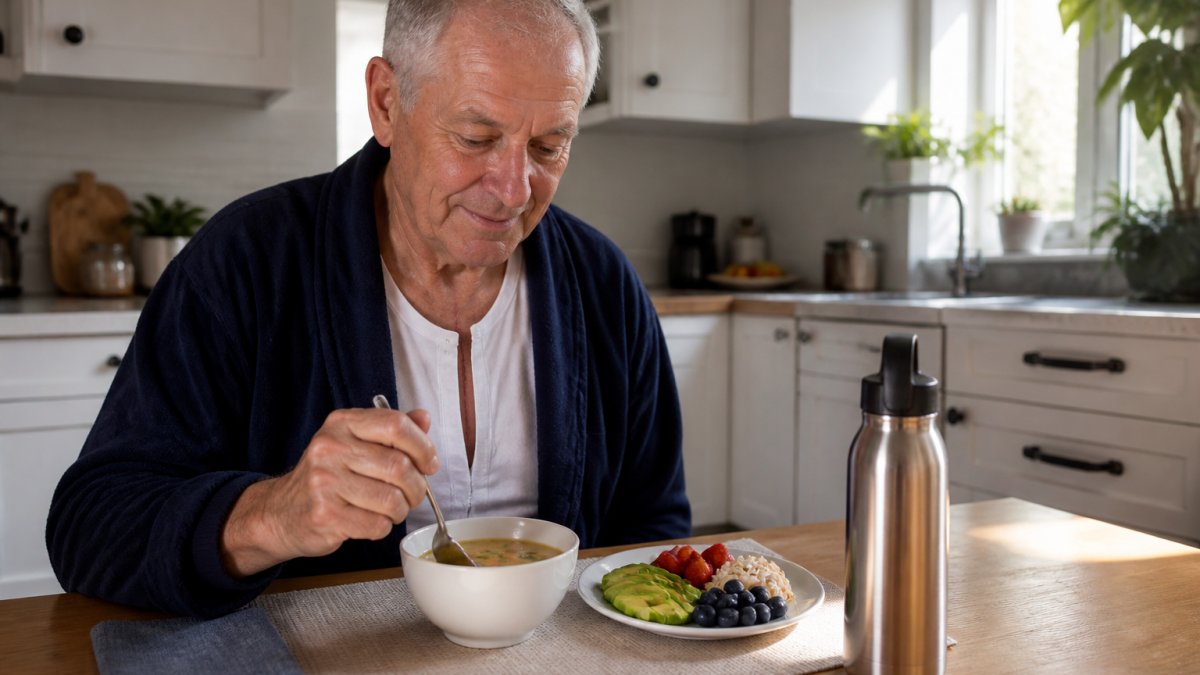
Many cardiac rehab teams recommend this pattern because it keeps blood sugar steady, eases nausea, and boosts total daily intake without overwhelming you. It also supports gastric emptying, which is often sluggish after heart bypass surgery or aorta valve surgery.
Aim for each mini-meal to include:
- A protein source (eggs, yogurt, soft chicken, beans)
- A soft carb (oatmeal, rice, toast)
- A fruit or cooked vegetable
- A few sips of fluid
Keep portions small. Half a cup of food per mini-meal is a realistic starting point for many people.
Sample Schedule: What to Eat Every 2-3 Hours
Use this as a template, then adjust with your care team:
| Time | Mini-Meal | Example |
|---|---|---|
| 7:00 AM | Breakfast | Soft scrambled egg + half banana |
| 9:30 AM | Snack | Greek yogurt + berries |
| 12:00 PM | Lunch | Half cup soup + crackers |
| 2:30 PM | Snack | Applesauce + peanut butter |
| 5:00 PM | Dinner | Small portion soft chicken + rice |
| 7:30 PM | Evening snack | Warm milk + toast |
This schedule keeps calories coming without ever asking your gut to do heavy lifting.
Nutrient-Dense Foods for Recovery: What to Eat When You're Not Hungry
Nutrient-dense foods for recovery pack the most nutrition into the smallest bites. When every bite counts, you want calories and protein, not filler.
Focus on these categories:
- Protein: eggs, Greek yogurt, soft fish, pureed beans, protein shakes
- Healthy fats: avocado, olive oil, nut butters, full-fat dairy
- Soft fruits: bananas, applesauce, canned peaches
- Cooked vegetables: carrots, squash, spinach (well-cooked, not raw)
- Whole grains: oatmeal, soft rice, cream of wheat
Smoothies are a survivor favorite. Blend yogurt, a banana, a spoon of peanut butter, and a splash of milk. You get protein, potassium, and calories in a few easy sips.
Appetite-Stimulating Recipes for Cardiac Patients
Most guides skip this, so here's where we go deeper. These simple recipes are designed to wake up a quiet appetite without heavy sodium or fat.
Warm Cinnamon Oat Bowl
- 1/2 cup cooked oatmeal
- 1 tbsp almond butter
- 1/2 mashed banana
- Pinch of cinnamon
Savory Egg Soft-Scramble
- 2 eggs, cooked soft
- 1 tsp olive oil
- 1 tbsp shredded low-sodium cheese
Berry Yogurt Cup
- 1/2 cup Greek yogurt
- 1/4 cup mashed berries
- 1 tsp honey
Serve everything warm or at room temperature. Cold foods can taste duller when your taste buds are off.
Hydration and Fluid Intake: Sipping Your Way to Better Recovery
Fluid intake matters as much as food, and it's often easier to manage. Dehydration can worsen nausea, fatigue, and constipation, and it can even mimic hunger loss.
But here's the catch: cardiac patients often have fluid limits. Your care team may restrict how much you drink daily. So sip steadily rather than gulping large amounts.
Practical hydration tips:
- Keep a water bottle within arm's reach at all times
- Take a few sips every 15-20 minutes
- Count soup, popsicles, and gelatin as fluids
- Track your intake if your team gave you a daily limit
- Watch for dark urine, dry mouth, and dizziness
A good insulated bottle makes this easier. The Zipper's stainless steel water bottle keeps drinks cold for hours, so water stays appealing even when your taste buds are off. For warm broth or tea, the travel mug with a handle keeps things at the right temperature, which matters when you're sipping all day.


Electrolyte balance matters too, but always check with your care team before adding sports drinks or supplements. Many are high in sodium and sugar.
Managing Nausea, Acid Reflux, and Heartburn After Surgery
Nausea management and reflux control sit at the center of appetite recovery. If your stomach is churning, no food looks good, and forcing it down can trigger a cycle of aversion that lasts for weeks. The trick is figuring out which problem you're actually dealing with, because the fix for opioid nausea is different from the fix for reflux, and different again from delayed gastric emptying.
Match the Fix to the Cause
Opioid-related nausea. Pain medications like oxycodone and hydrocodone slow the gut and stimulate the brain's vomiting center. If nausea hits 30-60 minutes after a dose, that timing is a clue. Ask your care team whether a stool softener, a lower dose, or a non-opioid alternative fits your recovery plan.
Anesthesia-related nausea. This tends to fade within the first week. Cold, bland, low-odor foods (crackers, plain toast, applesauce, gelatin) work better than hot meals, because smell is a major nausea trigger and heat amplifies aroma.
Reflux and heartburn. After heart surgery, the diaphragm and surrounding anatomy can be irritated, and lying flat makes acid splash upward. Symptoms usually show up as a burning behind the breastbone, a sour taste, or a cough after eating. Staying upright for at least 30 minutes after meals, elevating the head of the bed 6-8 inches, and finishing your last mini-meal 2-3 hours before lying down are the standard first moves.
Delayed gastric emptying. If you feel full after a few bites and stay full for hours, that's a motility issue, not reflux. Smaller portions, softer textures, and liquids between meals (not during) tend to help more than antacids.
Practical Steps That Actually Help
- Eat cold or room-temperature foods when smells trigger nausea
- Skip greasy, fried, spicy, and very sweet foods during the rough stretch
- Stay upright for 30 minutes after eating, no recliner naps right after meals
- Keep portions to about half a cup and eat every 2-3 hours
- Sip clear fluids between bites, not big gulps with food
- Ask your doctor about anti-nausea medication before the next meal, not after
- Try ginger tea or flat ginger ale if your care team approves, many survivors find it settles the stomach
When Nausea Crosses the Line
Occasional queasiness is expected. But persistent vomiting, inability to keep fluids down for more than a day, or nausea paired with fever, chest pain, or a racing heartbeat is a call-your-provider-now situation. Vomiting also dehydrates you fast, and dehydration can worsen both nausea and appetite loss, a loop you want to break early.
A Note on Reflux Medications
Proton pump inhibitors (like omeprazole) and H2 blockers (like famotidine) are commonly prescribed after surgery, especially if you're on antiplatelet therapy that irritates the stomach. Don't start or stop these on your own, some interact with clopidogrel, a common post-stent and post-bypass medication. Your pharmacist is a fast, free resource for checking interactions.
Medication Side Effects: How Post-Op Drugs Change Taste and Appetite
This is the angle most articles skip entirely: your medications may be rewriting how food tastes, and the specific drug matters. "Food tastes weird" is not one problem, it's several, and each has a different workaround.
Which Drugs Do What
Beta-blockers (metoprolol, carvedilol, atenolol). Commonly prescribed after heart surgery to slow the heart and lower blood pressure. A well-documented side effect is a dulled or metallic taste, plus dry mouth. If your food suddenly tastes like cardboard, this class is a frequent suspect.
ACE inhibitors (lisinopril, enalapril). These can cause a persistent dry cough and, in some patients, a salty or metallic taste. The taste change often fades as the body adjusts, but the cough may not.
Diuretics (furosemide, hydrochlorothiazide). These pull fluid out of your body, including saliva. The result is dry mouth, which flattens flavor perception and makes chewing dry foods unpleasant. They can also deplete potassium and zinc, both of which play a role in taste.
Antiplatelets and anticoagulants (aspirin, clopidogrel, warfarin). Less commonly linked to taste changes, but aspirin can irritate the stomach lining and contribute to nausea that suppresses appetite.
Statins (atorvastatin, rosuvastatin). A small share of patients report altered taste or a bitter background flavor. This is uncommon but worth mentioning to your prescriber if it lines up with when you started the drug.
Amiodarone. Used for rhythm control. It can cause a metallic taste and, with long-term use, thyroid changes that affect appetite. Worth flagging to your care team if taste changes are severe.
Why Taste Changes Happen at All
Three mechanisms are usually at play. First, many of these drugs are secreted in saliva, and you literally taste them with every bite. Second, dry mouth reduces the saliva needed to dissolve flavor compounds, so food tastes muted. Third, some drugs alter zinc metabolism or the turnover of taste receptor cells on the tongue, a process that takes weeks to normalize.
What Actually Helps
- Rinse before you eat. A quick swish of water or a mild saltwater rinse clears residual drug taste from your mouth.
- Go tart and bright. Lemon, lime, vinegar, and citrus zest cut through metallic notes better than salt, and salt is usually restricted anyway.
- Use herbs aggressively. Basil, oregano, rosemary, cumin, and ginger add flavor without sodium.
- Rotate proteins. Chicken may taste fine while beef tastes off, or vice versa. Don't write off a whole food group based on one bad bite.
- Serve warm or at room temperature. Cold foods taste duller when your palate is already blunted.
- Try plastic utensils. Some patients report that metal forks and spoons amplify a metallic taste. It sounds odd; it's cheap to test.
- Stay hydrated. Even mild dehydration worsens dry mouth and taste distortion.
The Timeline Question
Most medication-related taste changes ease within 4-8 weeks as your body adapts or your doses are adjusted. Some, particularly with amiodarone, can persist longer. If taste changes are severe enough that you're eating far less than you should, that's a reason to call your prescriber, not to tough it out. Dose timing, formulation changes (liquid vs. tablet), or a swap within the same drug class sometimes solves it.
Monitoring Blood Pressure, Vitals, and Recovery Progress
Clinical monitoring is part of appetite recovery. Your blood pressure, weight, and vitals tell the story of whether you're eating and drinking enough.
Track these daily:
- Blood pressure (as directed by your team)
- Weight (same time each morning)
- Fluid intake and output
- Number of mini-meals eaten
- Energy level
Sudden weight gain can signal fluid retention. Steady weight loss can signal you're not eating enough. Both are worth a call to your provider.
Blood pressure stabilization depends on many factors, including sodium consumption. Keep sodium low, but don't cut it out completely without guidance.
When to Call a Doctor About Appetite Loss
Call your doctor about appetite loss if it lasts more than a few days, comes with vomiting or fever, or leads to rapid weight loss. These aren't things to wait out.
Specific reasons to call:
- No appetite for more than 3-5 days
- Vomiting or inability to keep fluids down
- Weight loss of more than a few pounds in a week
- Dizziness, confusion, or fainting
- Chest pain or shortness of breath
Trust your instincts here. Patient advocacy means speaking up early, not toughing it out. A quick call can prevent a bigger problem.
When to Contact Your Healthcare Provider: Normal vs. Red-Flag Symptoms
Knowing the difference between normal recovery and red flags keeps you safe. Normal recovery includes fatigue, mild soreness, and a picky appetite that slowly improves.
Red-flag symptoms include:
- Fever or chills
- Rapid heartbeat at rest
- Swelling in legs or feet
- New or worsening shortness of breath
- Chest pain
- Confusion
- Very dark urine or no urine
If any of these appear, contact your provider right away. Don't wait for your next scheduled visit.
The CDC's guidance on warning signs after surgery and the National Heart, Lung, and Blood Institute's recovery resources both stress that early reporting saves lives. Keep their checklists handy.
Conclusion: Patience, Small Wins, and Community Support
Recovery is slow, and low appetite can linger for weeks. That's frustrating, but it's also normal. Every small bite is a win, and every sip of water moves you forward.
You don't have to figure this out alone. The Zipper was founded by Steve Rucinski, a heart surgery survivor who knows exactly how hard this stage feels. Our community connects you with peers who've been there, plus practical tools like our recovery nutrition tracker to log meals and fluids without extra stress.
Our white glossy mug is a small, sturdy companion for warm broth or tea on tough mornings. But the real support comes from people who understand.

Join The Zipper and rebuild strength of body and soul, one small meal at a time.
Frequently Asked Questions
Is it normal to lose appetite after open-heart surgery?
Yes, it's very common. Anesthesia, pain medications, and the physical stress of surgery can all suppress hunger. Many patients also experience nausea or changes in taste. Your appetite typically starts returning within a few weeks, but it can take longer for some. Focus on small frequent meals for recovery and nutrient-dense foods to support healing even when you don't feel like eating.
How long does it take for appetite to return after heart surgery?
Most patients see a gradual improvement within two to four weeks. However, factors like medication side effects, depression, and individual healing speed affect the timeline. If you're still struggling after a month or losing weight, talk to your doctor. They can check for underlying issues and suggest ways to stimulate your appetite.
What are the best nutrient-dense foods for heart surgery recovery?
Focus on foods that pack a lot of nutrition into small portions: Greek yogurt, eggs, salmon, avocado, nut butters, and smoothies with protein powder and spinach. These give you protein, healthy fats, and vitamins without requiring a large volume.
When should I call my doctor about appetite loss?
Call your doctor if you've lost more than 5 pounds in a week, can't keep fluids down, have persistent nausea or vomiting, or feel dizzy and weak. Also reach out if your appetite hasn't improved after a month or if you notice signs of dehydration like dark urine or dry mouth. These could signal a complication that needs medical attention.


