

Table of Contents
- Is a Low Sodium Diet Worth It for Heart Patients? The Short Answer
- What the Clinical Evidence Actually Shows
- Where the Debate Comes From
- How Sodium Drives Blood Pressure and Fluid Retention After Heart Surgery
- Recommended Daily Sodium Intake for Heart Disease: What Guidelines Say
- How to Reduce Salt Intake After Heart Surgery Without Losing Flavor
- A Low Sodium Meal Plan for Heart Patients: What a Day Looks Like
- The Sodium-Potassium Balance Most Patients Never Hear About
- Hidden Sodium in 'Healthy' Foods: The Label Trap
- Psychological Barriers to Sticking With a Low Sodium Diet
- Personalized Sodium Thresholds: Why One Number Doesn't Fit Everyone
- Verdict: Who Benefits Most From a Low Sodium Diet
- Frequently Asked Questions
Last Updated: October 2, 2026
Is a Low Sodium Diet Worth It for Heart Patients? The Short Answer
For most heart patients, yes, a low sodium diet is worth it, but the benefit depends on your condition, your blood pressure, and how much salt you actually eat now.
The core finding is simple: sodium pulls water into your bloodstream. More fluid means more pressure against your artery walls. For a heart that is still healing, that extra workload matters.
Below, we break down the evidence, the guidelines, and the practical steps. The strategies here are the ones patients actually keep using months after surgery, not the ones they abandon in week two.
What the Clinical Evidence Actually Shows
The strongest evidence ties sodium restriction to lower blood pressure. The American Heart Association guidance on sodium and heart health explains that reducing sodium lowers blood pressure in many people, and lower blood pressure means less strain on a recovering heart.
That matters because high blood pressure is a leading driver of heart attack risk and stroke prevention concerns. Cutting sodium is one of the few diet changes with a clear, measurable effect on systolic blood pressure.
Where the evidence gets murkier is in the size of the benefit. Some patients are sodium sensitive, meaning their blood pressure responds strongly to salt. Others see a smaller change. A low sodium diet is worth it for heart patients mainly when it is part of a broader heart-healthy diet, not as a standalone fix.
Where the Debate Comes From
Pushback on aggressive sodium restriction is real, and it is worth understanding. Some research has raised questions about how low is too low, and whether very strict limits help everyone equally. The debate is not about whether sodium affects blood pressure. It is about how much restriction each person needs.
Most of the confusion comes from lumping all heart patients into one group. A person with heart failure management needs and a person recovering from a routine bypass are not the same. Neither is a 40-year-old with mild hypertension and an 80-year-old with multiple conditions.
The reasonable middle ground: follow your care team's target, focus on reducing heavily processed food, and do not chase an extreme number that makes eating miserable. Adherence matters more than perfection.
How Sodium Drives Blood Pressure and Fluid Retention After Heart Surgery
Sodium's effect on the body is mechanical. When you eat more sodium than your kidneys can clear, your body holds extra water to dilute it. That extra fluid raises blood volume, which raises pressure in your arteries and can show up as swelling in your legs, ankles, or abdomen.
After heart surgery, this matters more than usual. Your heart is working to recover its pumping strength, and extra fluid means extra work. That is why fluid retention is one of the first things your care team watches.
A common mistake is assuming that if you do not feel swollen, sodium is not affecting you. In practice, fluid builds quietly before you notice it. Weighing yourself daily and watching for sudden changes catches the problem early.
Recommended Daily Sodium Intake for Heart Disease: What Guidelines Say
The recommended daily sodium intake for heart disease is generally lower than what most people eat, and the exact target depends on your condition. The Dietary Guidelines for Americans advise limiting sodium to less than 2,300 milligrams per day for most adults, and the American Heart Association suggests an ideal limit closer to 1,500 milligrams per day, especially for people with high blood pressure.
Your cardiologist may set a different number based on your heart failure management plan, medications, or kidney function. Some patients are told to aim lower; others are given a range.
| Patient Situation | Typical Sodium Target | Why It Differs |
|---|---|---|
| Mild hypertension | Under 2,300 mg/day | General population guidance |
| Heart failure | Often 1,500-2,000 mg/day | Reduces fluid retention |
| Post-surgery recovery | Set by care team | Depends on meds and kidney function |
| Sodium-sensitive patients | Lower end of range | Stronger blood pressure response |
The key point: your number is personal. Do not copy a target from a forum or a friend.
How to Reduce Salt Intake After Heart Surgery Without Losing Flavor
Learning how to reduce salt intake after heart surgery comes down to three moves: cook more at home, swap salt for flavor, and read labels before you buy. Most sodium does not come from your salt shaker. It comes from packaged and restaurant food.
Start with these swaps:
- Replace table salt with herbs, garlic, citrus, and vinegar
- Choose fresh or frozen vegetables over canned
- Rinse canned beans and vegetables to cut surface sodium
- Cook with onion, pepper, and smoked paprika for depth
- Season at the end of cooking so less salt goes further
A stainless steel water bottle helps here in a small but real way. Staying hydrated with plain water instead of sugary or salty drinks supports electrolyte balance and keeps you from reaching for snacks. The Zipper's 17-ounce insulated bottle keeps water cold for hours, which makes plain water easier to actually drink.

Reading Nutrition Labels for Hidden Sodium
Nutritional labeling is your best tool. Check the serving size first, then the sodium line. Look for foods under 140 milligrams per serving to qualify as low sodium, and be cautious with anything over 300 milligrams.
Watch for these label traps:
- "Reduced sodium" only means less than the original, not low
- "No salt added" does not mean sodium-free
- Sauces, dressings, and bread carry surprising sodium
- Frozen meals often pack a full day's sodium in one tray
A Low Sodium Meal Plan for Heart Patients: What a Day Looks Like
A low sodium meal plan for heart patients does not have to be bland or complicated. The goal is fresh food, home cooking, and flavor from spices instead of salt. Here is what a realistic day can look like.
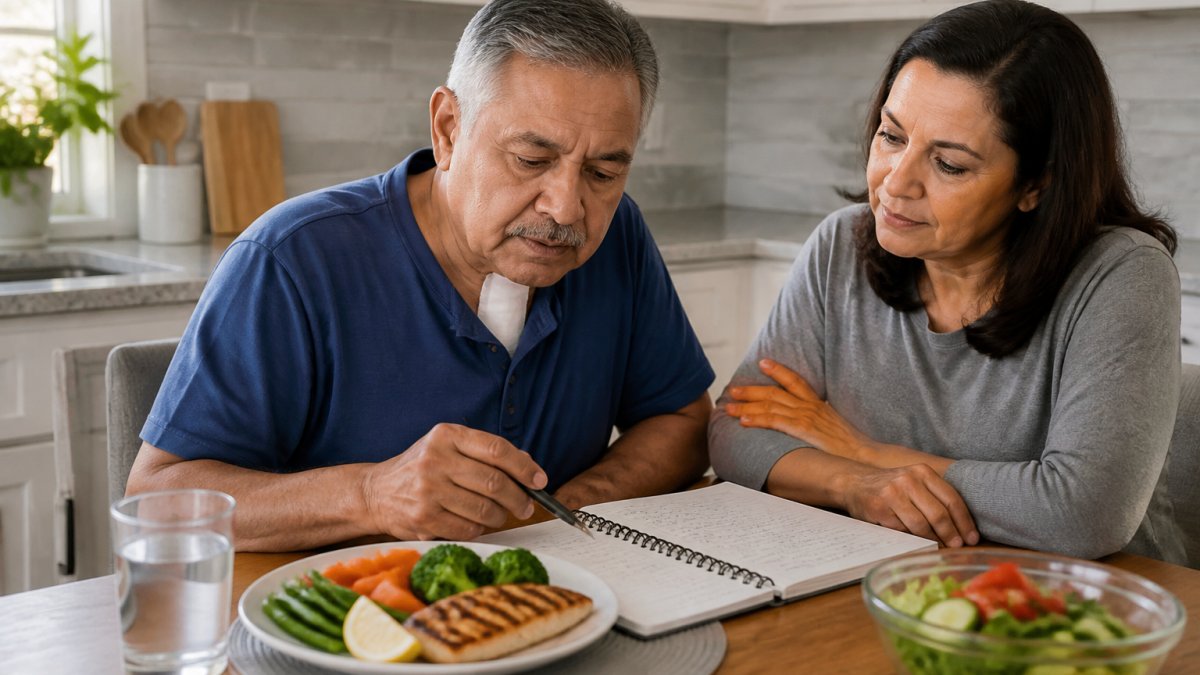
Breakfast: Oatmeal with fresh berries and unsalted nuts, plus a mug of herbal tea. A sturdy ceramic mug like The Zipper's white glossy mug makes the morning routine feel normal rather than clinical.

Lunch: Grilled chicken or fish with a large salad, olive oil, and lemon. Skip bottled dressings.
Snack: Apple slices with a small handful of unsalted almonds.
Dinner: Roasted vegetables, brown rice, and lean protein seasoned with garlic and herbs.
Drinks: Water throughout the day. A travel mug keeps your tea or coffee warm on the go without adding sodium.

The point is not deprivation. It is building a pattern you can repeat.
The Sodium-Potassium Balance Most Patients Never Hear About
Most low sodium conversations ignore the other half of the equation: potassium. Sodium and potassium are the two dominant electrolytes in your body, and they pull in opposite directions. Sodium draws water into your bloodstream and tightens blood vessel walls.
The practical insight most patients never hear is that the ratio of sodium to potassium may matter as much as the sodium number alone. You can hit a low sodium target and still have a poor ratio if your diet is built on refined, low-potassium foods.
Where potassium comes from in a real diet:
- Potatoes and sweet potatoes, with the skin
- Beans, lentils, and other legumes
- Spinach, Swiss chard, and other leafy greens
- Bananas, oranges, and dried fruit like raisins and prunes
- Plain yogurt and low-fat dairy
- Tomatoes and tomato-based sauces (watch the added sodium in jarred versions)
- Salmon, tuna, and other fish
A useful mental model: build meals around a potassium-rich whole food first, then add lean protein and a small portion of starch. That structure naturally crowds out the processed, high-sodium items that dominate most plates.
Potassium-enriched salt substitutes swap part of the sodium chloride for potassium chloride. For some patients, that swap lowers sodium intake while nudging potassium up, which is a genuine two-for-one. But these products are not a free pass. They still contain sodium, they can be hazardous for anyone with the medication or kidney issues described above, and they taste noticeably different, so they work best when introduced gradually in cooking rather than at the table.
A common pattern among heart patients is that sodium gets all the attention while potassium is ignored entirely, even though the two work as a pair. Ask your care team two questions at your next visit: what is my sodium target, and is my potassium level where it should be? Those two numbers, read together, tell a fuller story about your electrolyte balance than either one alone.
Hidden Sodium in 'Healthy' Foods: The Label Trap
Some of the biggest sodium sources hide in foods marketed as healthy. This is one of the angles most guides skip, and it trips up careful patients every time.
Watch these "healthy" culprits:
- Canned soups and broths labeled "light" or "organic"
- Whole-grain bread, which can carry significant sodium
- Flavored yogurt and cottage cheese
- Veggie burgers and plant-based patties
- Sports drinks and flavored water
- Pre-made smoothies and protein shakes
The fix is simple but requires habit: read the label every time, even on foods you trust. "Organic" and "natural" say nothing about sodium content.
Psychological Barriers to Sticking With a Low Sodium Diet
The hardest part of a low sodium diet is rarely the food. It is the psychology. Food is comfort, culture, and connection, and being told to change how you eat right after major surgery can feel like losing one more thing you control.
Common barriers include feeling deprived, missing favorite meals, and the fatigue of reading every label. Anxiety about your heart can also push you toward either rigid over-restriction or giving up entirely.
The fix is to lower the bar. Aim for steady improvement, not a perfect score. Let family help with cooking. Find two or three low sodium meals you genuinely enjoy and rotate them. Connect with people who understand the emotional side, not just the numbers.
That is where a community like The Zipper helps. It is a founder-led space built by a heart surgery survivor, so the support comes from people who have lived the same recovery. The Zipper's recovery nutrition tracker makes daily sodium tracking simple enough to keep up with when you are already juggling appointments.
Personalized Sodium Thresholds: Why One Number Doesn't Fit Everyone
There is no single correct sodium number for every heart patient, and treating one figure as universal is where a lot of well-intentioned advice falls apart. The reason is physiological: your ideal sodium intake depends on how your body handles sodium, how much fluid it retains, and what your medications are doing to your kidneys and blood vessels. Two patients with the same diagnosis can have genuinely different targets.
Why the number moves from person to person:
- Diagnosis. A patient with heart failure and a patient recovering from an uncomplicated bypass are managing different fluid dynamics. Heart failure makes the body prone to retaining fluid, so the target is often tighter. Post-surgical recovery may be a temporary, care-team-set range that loosens as healing progresses.
- Sodium sensitivity. Some people's blood pressure responds strongly to salt; others barely budge. If you are sodium sensitive, a given reduction buys you more blood pressure benefit, so a lower target is worth the effort. If you are not, the same target may cost you a lot of enjoyment for a smaller return.
- Medications. Diuretics change how much sodium and water your kidneys excrete. ACE inhibitors, ARBs, and potassium-sparing diuretics affect potassium retention. Some blood pressure medications blunt the body's sodium-handling response. Your medication list directly shapes what target is safe and useful.
- Kidney function. Your kidneys are the primary regulator of sodium balance. Reduced kidney function means sodium and fluid clear more slowly, which usually argues for a tighter target, and also means potassium needs closer watching.
- Current intake. A patient eating 4,000 milligrams a day and a patient already eating 2,000 milligrams a day have different amounts of room to cut. A big drop from a high baseline often delivers more benefit than squeezing an already-low intake further.
- Age and other conditions. Older adults and people managing diabetes, kidney disease, or multiple chronic conditions often need a more conservative, individualized approach rather than a single population number.
How to find and adjust your personal target:
- Start with your care team's number. Ask specifically: what is my daily sodium target, and is it a hard limit or a range? Write it down.
- Track your actual intake for two weeks. You cannot adjust what you have not measured. Log sodium from labels and estimate restaurant meals.
- Watch three signals. Home blood pressure readings, daily weight (same time, same scale, minimal clothing), and any swelling in your legs, ankles, or abdomen. These are the body's feedback on whether your current intake is working.
- Bring the data to your follow-up. A log of intake alongside blood pressure and weight trends gives your clinician something concrete to adjust against, rather than a guess.
- Revisit the number. Your target is not permanent. It can shift as your heart function improves, as medications change, or as your kidney function changes. Reconfirm it at each major appointment.
A useful way to think about it: the goal is not the lowest sodium intake you can tolerate. It is the intake that gives you the most cardiovascular benefit while remaining livable for years. For some patients that is 1,500 milligrams a day. For others, a well-managed 2,000 to 2,300 milligrams with a strong overall diet pattern delivers most of the benefit with far better adherence. Your care team, your labs, and your own tracked data are what settle the question for you.
Verdict: Who Benefits Most From a Low Sodium Diet
The patients who benefit most are those with hypertension, heart failure, or clear fluid retention, and those whose blood pressure responds strongly to salt. For them, cutting sodium is one of the highest-value changes they can make.
Patients with milder risk and no fluid issues still benefit, but the gain is smaller and the priority shifts toward overall diet quality. The honest answer to whether a low sodium diet is worth it for heart patients is: usually yes, with the size of the payoff depending on your situation.
What matters most is sustainability. A moderate reduction you keep for years beats a strict plan you abandon in a month. Focus on fresh food, read labels, watch your potassium, and get support for the emotional side of recovery.
Frequently Asked Questions
How much sodium should a heart patient have per day?
Most U.S. dietary guidelines recommend keeping sodium under 2,300 milligrams per day for generally healthy adults, and the American Heart Association suggests an ideal limit of 1,500 milligrams per day for people with hypertension or heart disease. Your cardiologist may set a different target based on your blood pressure, fluid retention, kidney function, and medications. Ask for a specific number in milligrams rather than a vague instruction to 'watch salt,' so you can track it accurately.
Does a low sodium diet actually improve heart surgery recovery outcomes?
Cutting sodium helps control blood pressure, reduce fluid retention, and ease the workload on a healing heart, which supports a smoother recovery. Clinical evidence links lower sodium intake to reduced cardiovascular risk over time, though individual results vary based on sodium sensitivity and overall diet. A low sodium diet works best alongside prescribed medications, cardiac rehabilitation, and regular follow-up with your care team.
What are the best low sodium alternatives for heart patients?
Swap table salt for herbs, citrus, garlic, vinegar, and salt-free spice blends. Choose fresh or frozen vegetables without sauces, unsalted nuts, and plain meats instead of cured deli options. Potassium-enriched salt substitutes can help some patients, but check with your doctor first if you take potassium-sparing diuretics or have kidney issues. Staying hydrated also matters; a 17-ounce double-walled stainless steel water bottle can make it easier to sip water instead of reaching for salty snacks.
What are the hidden sources of sodium in a standard diet?
Bread, canned soups, deli meats, frozen dinners, restaurant meals, and even 'healthy' items like flavored yogurt and vegetable juices can carry surprising sodium loads. A single can of soup may hold nearly a full day's recommended intake. Reading nutrition labels and comparing milligrams per serving is the fastest way to spot these hidden sources and choose lower-sodium versions of the foods you already eat.
Can a low sodium diet help reduce fluid retention after a procedure?
Yes. Sodium causes the body to hold onto water, which can lead to swelling in the legs, ankles, and abdomen after heart surgery. Lowering sodium intake helps your body release excess fluid and can reduce shortness of breath and weight gain from fluid buildup. Weigh yourself daily and report sudden gains of two to three pounds in a day to your care team, since that often signals fluid retention.
Recovering from heart surgery is hard enough without navigating diet changes alone. The Zipper was built by a heart surgery survivor to give patients and families a compassionate community, trusted recovery information, and practical tools like our nutrition tracker. Join The Zipper to rebuild strength of body and soul alongside people who understand exactly what you are going through.


