

Last Updated: November 2, 2026
Quick Summary
Heart surgery recovery happens in stages: days 1-5 in hospital and intensive care, weeks 1-2 resting at home with short walks, weeks 3-6 rebuilding strength, weeks 6-12 returning to normal activities, and three months and beyond for long-term healing and cardiac rehabilitation. Every timeline is individual, so your care team's instructions always come first.
- Breathing exercises and early walking often begin within a day or two of surgery.
- Sternal precautions limit pushing, pulling, and lifting to nothing heavier than a gallon of milk.
- Most people can be left alone for short periods within the first one to two weeks after discharge.
- Cardiac rehabilitation is a structured program of supervised exercise and education that most practitioners recommend.
- Call your care team for fever, increasing incision redness or drainage, chest pain, or shortness of breath at rest.
Table of Contents
- The Big Picture: Heart Surgery Recovery in Stages
- Open Heart Surgery Recovery Week by Week: A Stage-by-Stage Timeline
- Hospital Recovery and Intensive Care: What Happens Before You Go Home
- Incision and Wound Care, Pain, and Warning Signs to Watch
- Walking, Rest, and Gradual Activity After Surgery
- How Long After Open Heart Surgery Can You Be Left Alone?
- Recovery Differences by Operation Type: Bypass, Valve, and More
- Long-Term Side Effects of Open Heart Surgery and How to Manage Them
- Foods to Avoid After Coronary Bypass Surgery
- Caregiver Support, Home Preparation, and Recovery Setbacks
- Frequently Asked Questions
The Big Picture: Heart Surgery Recovery in Stages
Heart surgery recovery is a staged process that moves from intensive care to home, then from short walks to full daily activity over roughly three months. The stages of heart surgery recovery are easier to face when you know what comes next, one week at a time.
Knowing what comes next lowers fear. It also helps you spot a real problem early. The American Heart Association's cardiac rehabilitation guidance stresses that structured recovery and cardiac rehab improve outcomes after surgery.
Here is the short version of what are the stages of heart surgery recovery:
- Days 1-5: hospital stay, intensive care unit, monitoring
- Weeks 1-2: discharge, home recovery, rest and short walks
- Weeks 3-6: rebuilding strength, gradual activity
- Weeks 6-12: returning to normal activities
- Three months and beyond: long-term healing and cardiac rehabilitation
Every recovery timeline is individual. Your care team's instructions always come first.
Open Heart Surgery Recovery Week by Week: A Stage-by-Stage Timeline
Open heart surgery recovery week by week follows a fairly predictable arc, though the pace varies by person and procedure. The table below summarizes the main stages at a glance, and the sections that follow break each stage into what you will likely feel, what you should be doing, and what should prompt a call to your care team.
| Stage | Timeframe | Main Focus | Typical Milestones | What to Watch |
|---|---|---|---|---|
| Hospital and intensive care | Days 1-5 | Monitoring, breathing exercises, early mobility | Out of bed and walking with help, tubes and lines removed, transition from intensive care to a regular room | Fever, rhythm changes, breathing difficulty |
| Early home | Weeks 1-2 | Rest, wound care, short walks, medication routine | First follow-up visit, incision checks, managing stairs and basic self-care with help | Increasing incision redness, drainage, sudden weight gain |
| Rebuilding | Weeks 3-6 | Gradual activity, strength, sternal precautions | Longer walks, lighter household tasks, improved sleep, less daytime napping | Chest pain with activity, shortness of breath at rest |
| Returning | Weeks 6-12 | Normal activities, driving and light work with clearance | Return to desk work, driving after surgeon approval, more stamina | New swelling, palpitations, mood changes that worsen |
| Long term | Three months and beyond | Cardiac rehabilitation, full recovery, lifestyle habits | Sustained exercise, closer-to-baseline energy, completed rehab program | Symptoms that return or plateau |
The First 30 Days: Hospital, Discharge, and Home
The first 30 days cover your hospital stay, discharge, and the first weeks of home recovery. Expect fatigue, soreness, and a slow return of appetite. Most people need help at home during this window.
In the hospital, the priorities are breathing exercises, early walking, and pain control that lets you cough and move. Before discharge, your care team reviews medications, wound care, activity limits, and warning signs, and schedules a follow-up appointment. At home, the first two weeks are about rest, short and frequent walks, keeping the incision clean and dry, and taking medications exactly as prescribed. Many people find that energy returns in short bursts and that afternoons are harder than mornings.
This is the most fragile stretch emotionally and physically. For a deeper look, our week-by-week guide to the first 30 days after open-heart surgery walks through pain, sleep, and emotional healing.
Weeks Three to Six: Rebuilding Strength
Weeks three to six are when strength starts to return. Walking gets easier. You can take on light daily activities, but sternal precautions still apply.
A common pattern is to add a few minutes of walking each day rather than pushing for distance all at once. Light tasks such as folding laundry or preparing simple meals are reasonable if they do not involve pushing, pulling, or lifting more than your care team allows. Sleep often improves in this window, though naps may still be needed.
Pushing too hard here is a common mistake. Build distance slowly, and stop if you feel short of breath or chest pain. Our guide to rebuilding strength after heart surgery covers safe progression in detail.
Six to Twelve Weeks and Three Months: Returning to Normal
By six to twelve weeks, many people return to most normal activities. By three months, stamina is closer to baseline for many survivors. Cardiac rehabilitation often begins in this window.
Return-to-work timing depends on your job and your surgeon's advice. Desk work may resume sooner than physically demanding work. Driving usually requires surgeon clearance, and many care teams ask that you be off opioid pain medication and able to react quickly before you get behind the wheel. Sexual activity is commonly resumed when you can climb stairs and walk briskly without symptoms, but ask your care team first.
Cardiac rehabilitation is a structured program of supervised exercise and education that most practitioners recommend after heart surgery. It typically includes exercise sessions, risk-factor counseling, and support for returning to daily life. Ask about a referral before you leave the hospital.
Watch out: skipping cardiac rehabilitation because you feel better is a common way to lose momentum on stamina and lifestyle changes.
Hospital Recovery and Intensive Care: What Happens Before You Go Home
Hospital recovery starts in the intensive care unit, where your heart rhythm, blood pressure, and breathing are watched closely. You will have tubes and monitors at first, then move to a regular room as you stabilize.
Breathing exercises and early walking begin fast, often within a day or two. These steps lower the risk of infection and blood clots. Pain medication is managed so you can move and cough without severe discomfort.
Before discharge, your care team reviews medications, wound care, activity limits, and warning signs. Ask questions now. This is also when a follow-up appointment gets scheduled.
Incision and Wound Care, Pain, and Warning Signs to Watch
Wound care after heart surgery means keeping the incision clean and dry, watching for infection, and following sternal precautions. Some swelling and bruising are normal. Spreading redness, fever, or drainage are not.
Sternal precautions are rules that protect your healing breastbone after a sternotomy. They limit pushing, pulling, and lifting, usually to nothing heavier than a gallon of milk.
Watch out: lifting, pushing, or pulling too soon can re-injure the breastbone and set recovery back by weeks.
Call your care team for these red flags:
- Fever or chills
- Increasing redness, warmth, or drainage at the incision
- Chest pain that worsens or does not ease
- Shortness of breath at rest
- Sudden swelling in the legs or weight gain
For daily-activity rules, our sternal precautions guide breaks down safe movement.
Walking, Rest, and Gradual Activity After Surgery
Walking is the safest early exercise after heart surgery. Start with short, frequent walks and add a little distance each day. Rest when your body asks for it.
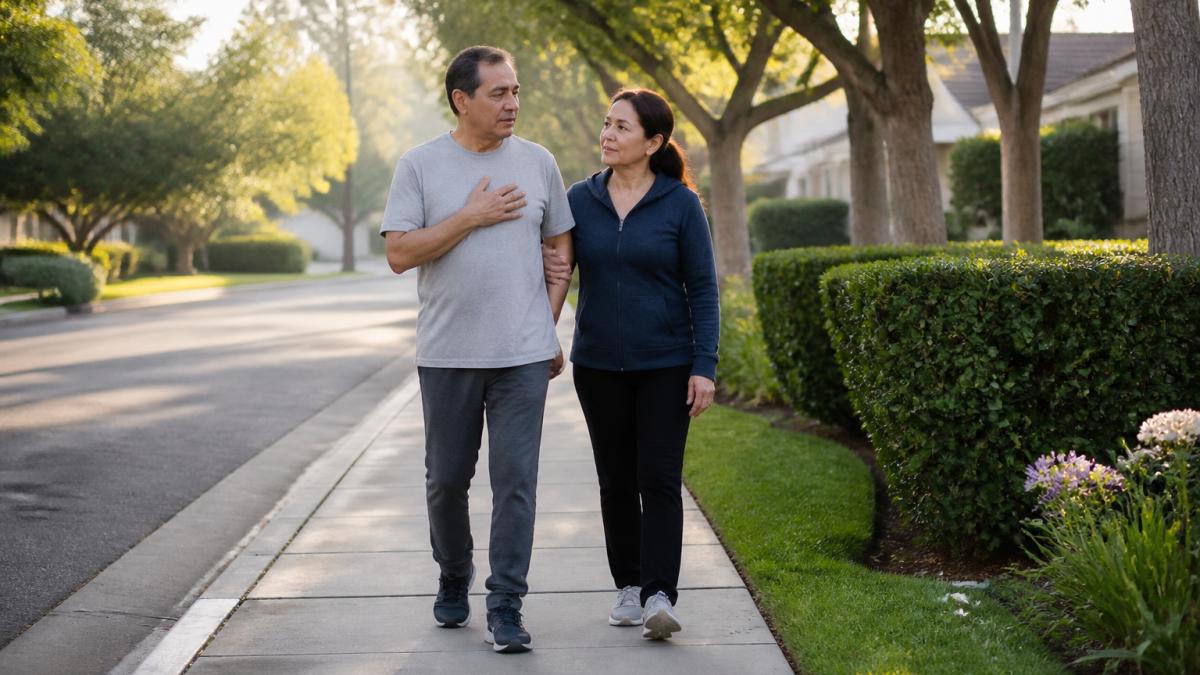
Sleep and fatigue are part of the process. Naps are normal. Fatigue often eases over weeks, not days. Follow your activity guidelines and avoid heavy lifting until your surgeon clears you.
- Walk several times a day, short distances
- Rest between activities
- Avoid pushing or pulling
- Stop if you feel dizzy or short of breath
How Long After Open Heart Surgery Can You Be Left Alone?
Most people can be left alone for short periods within the first one to two weeks after discharge, once they are steady on their feet and managing basic tasks. Full independence usually comes later, often around four to six weeks.
This varies widely. Age, procedure type, and complications all matter. Have a caregiver nearby during the first fortnight, especially for medication management and wound checks.
Ask your care team before staying alone. They know your specific recovery timeline and risks.
Recovery Differences by Operation Type: Bypass, Valve, and More
Recovery differs by operation type. Coronary bypass surgery and valve surgery both involve a sternotomy, so sternal precautions apply to both. Minimally invasive procedures often mean a shorter hospital stay and faster return to activity. The comparison below is a practical starting point, not a substitute for your surgeon's instructions.
Coronary artery bypass grafting (CABG). Bypass surgery typically involves a sternotomy and often a leg incision where a vein is harvested. Chest healing follows the usual sternal precautions, and the leg incision may be sore and swollen for several weeks. Many patients find that leg discomfort limits walking before chest soreness does. Cardiac rehabilitation is commonly recommended, and medication management usually includes antiplatelet therapy and cholesterol-lowering drugs.
Valve surgery. Valve repair or replacement often uses a sternotomy as well, so chest healing is similar to bypass. Medication management can be more involved, especially if you receive a mechanical valve and need blood thinners. Your care team will set specific activity limits and follow-up imaging schedules. Some patients notice more fatigue in the early weeks than they expected.
Minimally invasive and robotic procedures. These operations use smaller incisions, often between the ribs or through a partial sternotomy. Many patients have a shorter hospital stay and quicker early mobility, and some return to desk work sooner. Sternal precautions may be modified rather than eliminated, depending on the approach. Do not assume a smaller incision means a faster full recovery; stamina still builds over weeks.
Other cardiac operations. Pacemaker and defibrillator placement usually involves a smaller incision and shorter recovery, with arm-movement limits for a period. Aortic surgery recovery depends heavily on the extent of the operation and may involve longer hospital stays and more gradual activity progression.
Key differences at a glance:
- Bypass surgery: longer healing around the chest and leg incisions
- Valve surgery: similar chest healing, sometimes more medication management
- Minimally invasive: smaller incisions, quicker early mobility, but stamina still builds over weeks
- Pacemaker or defibrillator: shorter recovery with arm-movement limits
Individual recovery varies even within the same procedure. Your care team's plan should guide you, not a generic timeline. Ask your surgeon which precautions apply to your specific operation and when you can expect to resume driving, work, and exercise.
Long-Term Side Effects of Open Heart Surgery and How to Manage Them
Long-term side effects of open heart surgery can include fatigue, mild memory or focus changes, scar sensitivity, and emotional ups and downs. Many improve over months, but some linger.
Medication management becomes a daily habit. Follow-up appointments track healing and adjust treatment. Cardiac rehabilitation helps rebuild stamina safely.
What most guides miss is the emotional side. Anxiety and low mood are common after surgery. Many people find peer support and honest conversation helpful. Peer community can help with exactly this kind of emotional challenge.
Foods to Avoid After Coronary Bypass Surgery
Foods to avoid after coronary bypass surgery include heavily processed foods, high-sodium items, and foods high in saturated fat. These can raise blood pressure and strain your heart during healing.
A practical list:
- Salty snacks and canned soups
- Fried and fast foods
- Processed meats
- Sugary drinks and desserts
- Excess alcohol
Focus on vegetables, lean protein, whole grains, and low-sodium choices. Small, frequent meals help early on. Our guide to foods to avoid after surgery expands the list.
Caregiver Support, Home Preparation, and Recovery Setbacks
Caregiver support and home preparation make home recovery safer. Set up a recovery space before surgery: clear walkways, a comfortable chair, medications organized, and easy meals ready.
Setbacks happen. Common ones include fatigue flares, minor wound issues, and emotional dips. Most are manageable with rest and a call to your care team.
Watch out: ignoring warning signs to "tough it out" is the mistake that turns a small problem into a hospital readmission.
Prepare your home with our home preparation checklist. And remember, caregivers need support too. Families can also find support in community, where questions can be asked and shared.
Frequently Asked Questions
What is the hardest part of open-heart surgery recovery?
Most patients say the emotional and physical fatigue is harder than expected. The first two weeks at home bring soreness, broken sleep, and sternal precautions that limit lifting and reaching. Many also feel anxious about every twinge in their chest. Knowing the heart surgery recovery stages in advance helps you recognize what is normal. Support from peers who have been through it can ease the fear that something is wrong when it is simply part of healing.
How long after open heart surgery can you be left alone?
Most care teams want someone with you for the first one to two weeks after discharge, mainly because of fatigue, pain medication, and the risk of dizziness. After that, many patients can be alone for short periods if they feel steady on their feet and have a phone nearby. Ask your surgeon before staying alone overnight. Your timeline depends on your operation type, complications, and how quickly you regain strength.
What foods should I avoid after coronary bypass surgery?
Limit foods high in saturated fat and sodium, such as fried foods, processed meats, full-fat dairy, and packaged snacks. Avoid sugary drinks and heavy desserts, and keep alcohol to what your care team approves. These foods raise cholesterol and blood pressure, which works against the goal of bypass surgery. Build meals around vegetables, lean protein, whole grains, and healthy fats instead.
What are common long-term side effects of open heart surgery?
Some patients notice memory or concentration changes, low mood, sleep problems, and lingering fatigue for months after surgery. Chest discomfort and numbness around the incision can last a year or more. Cardiac rehabilitation helps rebuild stamina and confidence. Report new shortness of breath, swelling, or rapid weight gain to your care team right away, since those can signal a problem rather than a normal side effect.
Recovery from heart surgery is long, and it is easier with people who understand it. The Zipper was founded by a heart surgery survivor, and our community pairs peer support with practical tools like our recovery nutrition tracker. You get a network that gets it, guidance for the emotional challenges, and resources for rebuilding strength of body and soul. Get started with The Zipper and take the next stage of recovery with people who have been there.


